
The Crash, the Investigation, and Accountability
AccidentThis flow traces how uncertainty about the Golden Gate Bridge collision gives way to public blame, renewed questions about Laura Hutchinson, and evidence of a later fatal crash.
increasing Bearing strength in each event
 decreasing
Bearing strength in each eventdecreasingUnclear Fault
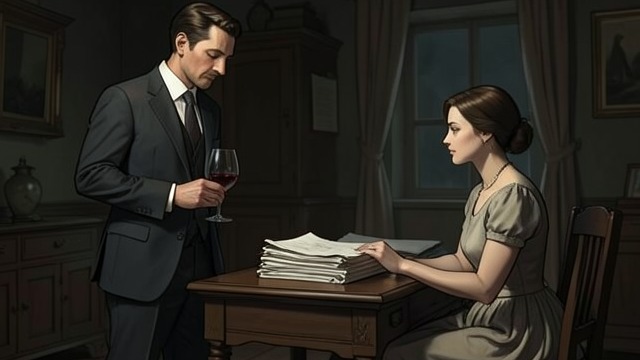
The Cause Is Unknown
Conflicting Possibilities
After the collision, the damaged positions of the cars do not clearly establish who crossed the center line. Jamie Applegate says Phillip Chapman drove carefully, while the initial account offers no definitive answer about the other driver, Laura Hutchinson.
Unequal Scrutiny
Phillip’s blood test shows a small amount of alcohol, though not enough to make him legally drunk. Laura is not tested at the scene because officers believe she is sober. Her status as the wife of Senator John Hutchinson later intensifies concern that the investigation has treated the drivers differently.
The uncertainty prevents the families from obtaining a simple explanation. It also leaves room for assumptions to harden into public conclusions before the evidence can establish responsibility.
Phillip’s Reputation at Risk
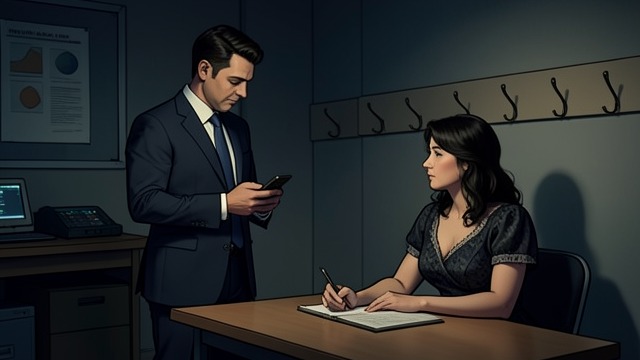
Grief Meets Public Suspicion
A Family Loses Its Son
Tom Chapman and Mary Chapman learn that Phillip has died instantly. Their grief is immense, and Tom is particularly distressed when he learns that the small amount of alcohol in Phillip’s blood may shape how the accident is reported.
A Promise to Defend Him
Tom objects to the suggestion that his son should be presumed responsible while Laura Hutchinson was never tested. He vows to defend Phillip’s reputation and resists the possibility that political status will shield the other driver from scrutiny.
The family’s concern is not only legal blame. They fear that Phillip’s death will be reduced to a convenient narrative that damages the memory of their only child and diverts attention from unresolved questions about the collision.
The Press Shapes the Story
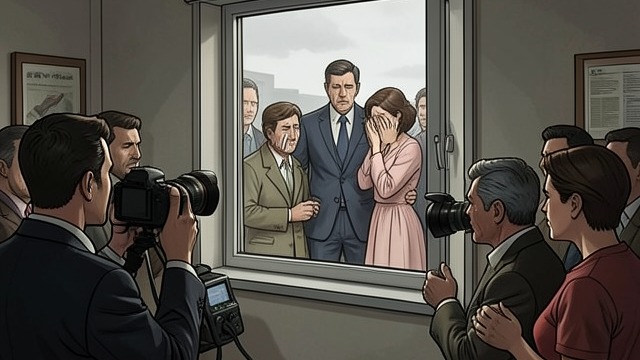
Public Narratives Take Hold
An Invasive Investigation by Reporters
Reporters approach Page Clarke and Trygve Thorensen at the hospital while Allyson Clarke and Chloe Thorensen are in danger. Questions about drinking, relationships, and Laura’s identity turn a family emergency into a public spectacle. The Chapmans are photographed in grief as well.
A Suggestive Account
Early coverage emphasizes Laura’s distress and respectability while noting the alcohol in Phillip’s blood. The story implies that the teenagers may have been responsible without proving it. At Phillip’s funeral, Laura attends, and Trygve suspects that the gesture may also serve her public image.
The press helps make one version of events feel plausible before the facts are known. The families have little control over how their grief is presented, and Phillip’s reputation remains exposed to insinuation.
A Fatal Crash in La Jolla
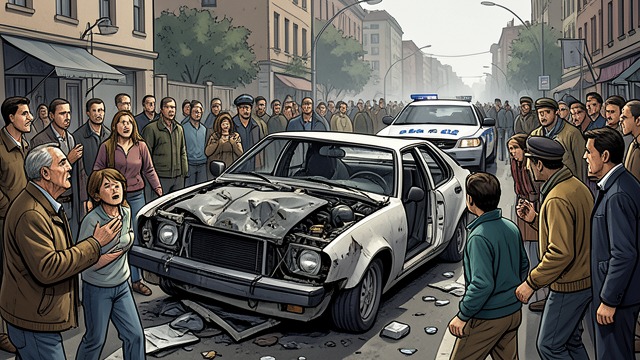
The Pattern Becomes Harder to Ignore
New Deaths and an Arrest
Laura Hutchinson is involved in another head-on collision in La Jolla. This time, the crash kills members of a family and leaves Laura’s daughter injured. Authorities arrest Laura for felony vehicular manslaughter, and reports state that she was driving while intoxicated.
Earlier Questions Return
The news brings the Golden Gate Bridge collision back into public view. Page Clarke and Chloe Thorensen realize that Laura may also have been drunk on the night Phillip died, although no alcohol test from that crash can establish it conclusively.
The second accident does not undo the uncertainty around the first, but it transforms how the families understand the earlier event. What once appeared possibly to be an isolated mistake now looks connected to a pattern of dangerous behavior.
Evidence and Public Accountability
A Record Comes to Light
Earlier Incidents Surface
Trygve Thorensen’s investigative reporter contact uncovers reports of Laura’s repeated stays at a treatment clinic and a history of prior vehicle accidents. Some records appear to have been concealed or sealed, while her husband’s public-relations team argues that defective brakes and steering may have caused the latest crash.
A Case With Wider Meaning
The public response grows as the families and advocates speak about the harm caused by impaired driving. Page gives a limited interview, condemning conduct that leads to tragedy while resisting the press’s attempts to turn Allyson into a spectacle. Laura faces charges in La Jolla, though that prosecution cannot itself prove what happened on the bridge.
The revelations strengthen the families’ belief that Phillip was unfairly blamed and that Laura’s history deserved scrutiny. Accountability remains incomplete, but the public can no longer easily treat the earlier deaths and injuries as a story with no warning signs.
The night of the collision and the first hospital hours
The morning after the crash, as the Chapmans receive the hospital report
The first days after the crash, from the hospital coverage through Phillip’s funeral
About eleven weeks after the Golden Gate Bridge collision
The days after the La Jolla crash, as records and public scrutiny emerge
