
Laura Hutchinson’s Hidden Record
AccidentThis thread traces how Laura Hutchinson’s apparent innocence after the bridge collision gives way to evidence of concealed alcoholism and a later fatal crash that brings public and legal scrutiny.
increasing Bearing strength in each event
 decreasing
Bearing strength in each eventdecreasingThe Driver Left Untested
The Driver Left Untested
An uncertain collision
Laura Hutchinson is involved in the head-on crash that kills Phillip Chapman and leaves Allyson Clarke and Chloe Thorensen critically injured. The wreckage makes it difficult for investigators to determine which driver crossed the center line, and the surviving evidence does not immediately establish fault.
Status shapes suspicion
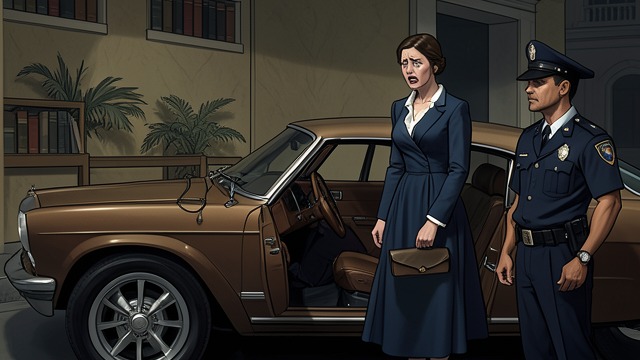
Laura appears uninjured and is visibly shaken. A patrolman accepts her statement that she has not been drinking, and officers do not administer an alcohol test. The accident therefore begins with a consequential evidentiary gap: the young driver is tested, while the senator’s wife is treated as sober on appearance.
The decision does not prove that Laura caused the collision, but it becomes central to later doubts. The investigation’s assumptions give her a public advantage before the facts are clear and leave Phillip’s family exposed to suspicion.
A Publicly Accepted Story
A Publicly Accepted Story
A polished public response
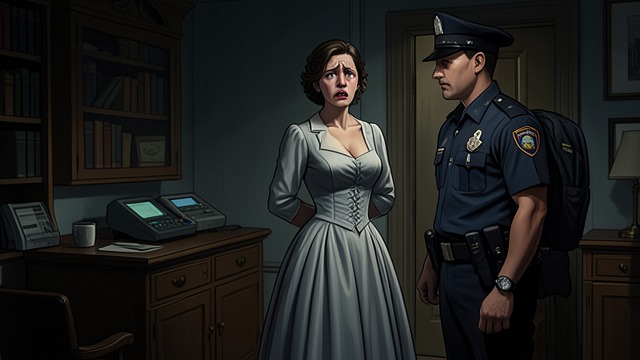
Laura returns home distressed after the accident and tells the officers who bring her that she has not had a drink. The officers choose to trust her, and the early public attention centers on the dead teenager and his companions rather than on a test of her sobriety.
The story turns toward Phillip
News coverage presents Laura as a grieving mother and respectable public figure, while reports that Phillip had alcohol in his blood encourage the impression that his driving caused the disaster. The reporting avoids a direct accusation but still allows insinuation to stand in for proof.
This account makes the initial absence of a test harder to challenge. Laura’s status and composure help sustain the presumption that she was sober, while Phillip’s age and test result make him easier to blame despite the uncertainty of the physical evidence.
Rumors of a Drinking Past
Rumors of a Drinking Past
A history surfaces
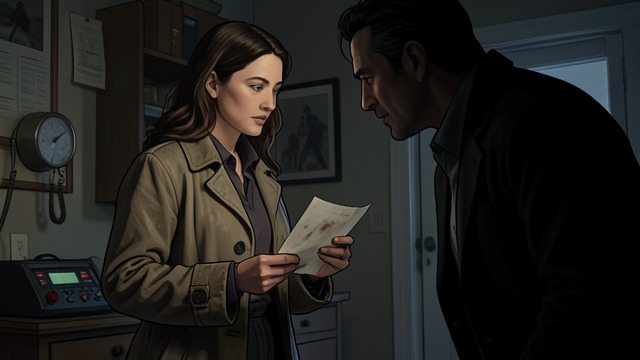
Page Clarke learns through a friend that Laura has struggled with drinking since adolescence and has previously received treatment. The information is private and unverified in the immediate aftermath, so Page resists treating it as proof of what happened on the bridge.
Trygve follows the pattern
Trygve Thorensen becomes more doubtful about the official impression of Laura’s sobriety. He hears that she was later seen very drunk at a party and asks an investigative reporter to look into her history and past accidents.
The inquiry grows from a need to understand whether the crash was truly an unavoidable accident. It does not erase the uncertainty at the scene, but it challenges the assumption that Laura’s respectable public image is sufficient evidence that she was safe to drive.
A Second Fatal Collision
A Second Fatal Collision
The pattern becomes visible
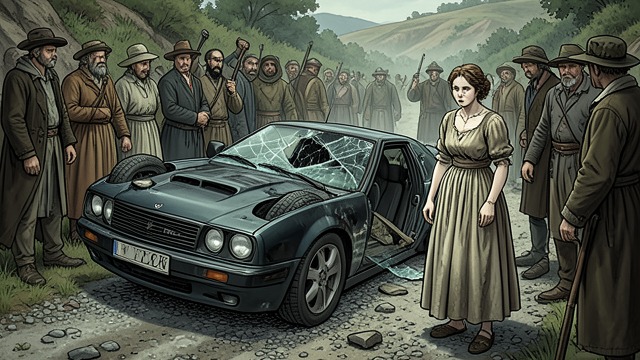
Laura is arrested after a later head-on collision in La Jolla. This time, authorities determine that she was driving while intoxicated; the crash kills a family, including a pregnant woman and her unborn child, and injures Laura’s own daughter.
Earlier suspicions gain weight
When Page, Trygve, and Chloe hear the news, they realize that the uncertainty surrounding Phillip’s death may have concealed a more dangerous pattern. The La Jolla case does not independently prove Laura’s condition on the bridge, but it makes the earlier lack of testing and the reported drinking history newly significant.
The second crash transforms a private suspicion into a public crisis. Laura’s conduct is no longer an isolated question about one ambiguous night; the scale of the new devastation demands investigation and accountability.
Exposure and Prosecution
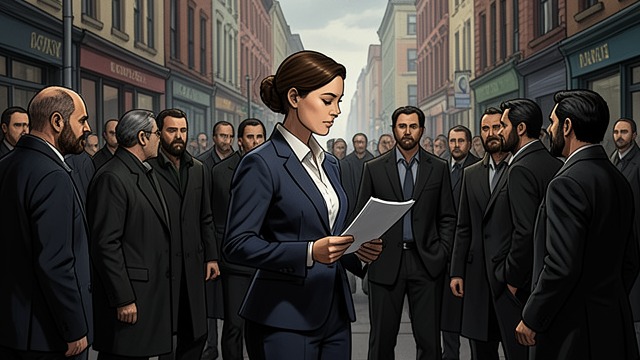
Exposure and Prosecution
A concealed history emerges
An investigative reporter tells Trygve that Laura has had several unsuccessful stays at a treatment clinic and a record of earlier accidents. Those details suggest that her husband’s political and public-relations operation has helped keep her drinking problem and driving history from public view.
Accountability becomes public
News organizations, Mothers Against Drunk Driving, and the families affected by Laura’s driving respond to the La Jolla crash. She is charged with felony vehicular manslaughter and faces trial in September; the Chapmans also speak publicly about Phillip and the damage done to his reputation.
The revelations clarify why accountability matters beyond punishment. Concealment and unequal treatment left Laura behind the wheel while other families bore the consequences, and the later prosecution makes the earlier failure of scrutiny impossible to dismiss as mere gossip.
The night of the Golden Gate Bridge collision
The day after the collision
Several weeks after the collision
About three months after the Golden Gate Bridge crash
From the La Jolla arrest to the September trial
