
Objects Against Absence
Across the River and into the TreesThis flow explores how portraits, inherited stones, a small jewel, and a flask give physical form to love while exposing the impossibility of holding another person permanently.
increasing Bearing strength in each event
 decreasing
Bearing strength in each eventdecreasingThe Hand and the Emeralds

The Hand and the Emeralds
Material contact
Renata places the emeralds in Cantwell’s pocket and asks him to feel their weight. He experiences the stones through the same damaged hand she has treated tenderly.
Meaning beyond price
The object carries her family history and her wish to remain close. It is valuable, but its greatest value lies in the relationship it signifies.
The Portrait’s Arrival
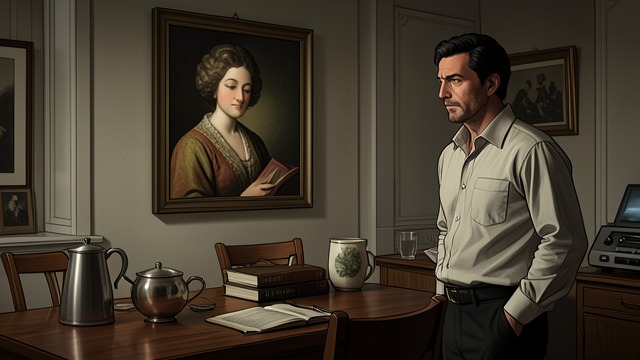
The Portrait’s Arrival
A visible likeness
Renata’s portrait is brought into the dining room, where Cantwell studies it and praises its beauty. The painting fixes her appearance at a moment when their shared time is passing.
Image and person
Cantwell knows that the canvas is not Renata and does not pretend otherwise. Its power comes from preserving an image while making her absence more imaginable.
The Portrait at Night
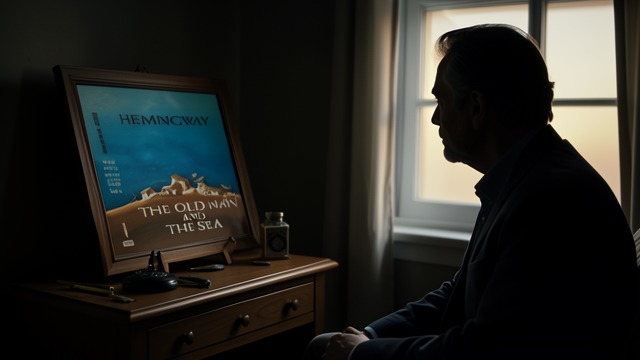
The Portrait at Night
Speaking to the canvas
Cantwell talks to the portrait as if it could answer him. Its silence reveals the difference between a keepsake and companionship.
A temporary comfort
He keeps the image within sight and admits that it helps him endure the night. The portrait cannot end loneliness, but it gives his thoughts a focus.
The Ebony Gift

The Ebony Gift
A selected object
Renata chooses the ebony figure she wants Cantwell to buy. The gift is modest compared with the emeralds, but it has the personal meaning she gives it.
Love made tangible
The object can travel with her as a reminder of Cantwell. Its smallness highlights how little either person can give that would overcome the larger separation.
The Inscribed Flask
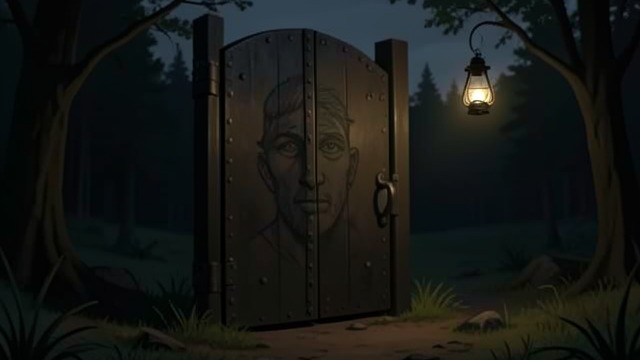
The Inscribed Flask
A hidden inscription
Cantwell drinks from a silver flask engraved with a message from Renata. The inscription is known only to the two lovers and its maker.
A private history
The flask shows that their attachment has existed beyond the final weekend. Its presence in the hunting scene joins everyday habit, memory, and the coming loss.
On the walk to dinner
During dinner before the gondola ride
Alone in the hotel room after Renata goes home
The final morning in Venice
During the return boat ride after the hunt
