
The Poet of Combat Versus the Veteran
Across the River and into the TreesThis flow traces Cantwell’s dispute with literary simplifications of war, as he distinguishes witnessed experience from books, publicity, and official memoir.
increasing Bearing strength in each event
 decreasing
Bearing strength in each eventdecreasingThe Silent Writer
The Silent Writer
An observed stranger
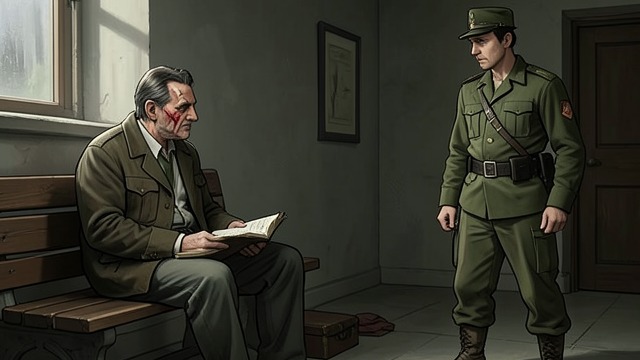
Cantwell notices a pockmarked American who appears to be a writer and imagines what he may be recording. He treats the stranger’s attention as an intrusion into private life.
Suspicion of representation
The man’s presence anticipates Cantwell’s broader distrust of people who convert wartime experience into easy material. His response is sharp, but it exposes a fear of being simplified.
Books and Combat
Books and Combat
The problem of telling
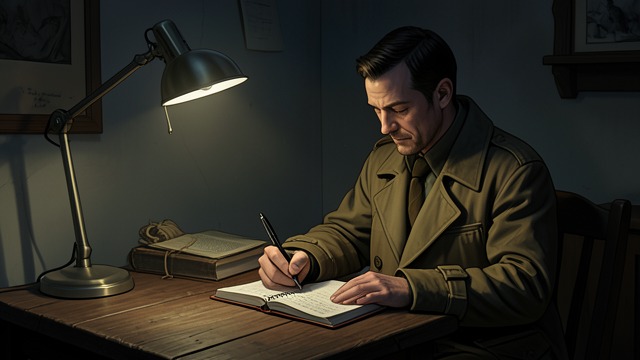
Renata asks Cantwell to write about what he has seen. He refuses, arguing that many writers know combat only indirectly and that lies can sound more convincing than testimony.
Silence as judgment
His refusal protects him from turning the dead into a polished story. It also leaves him with memories he cannot easily share except in conversation with Renata.
An Account for Renata
An Account for Renata
A willing listener
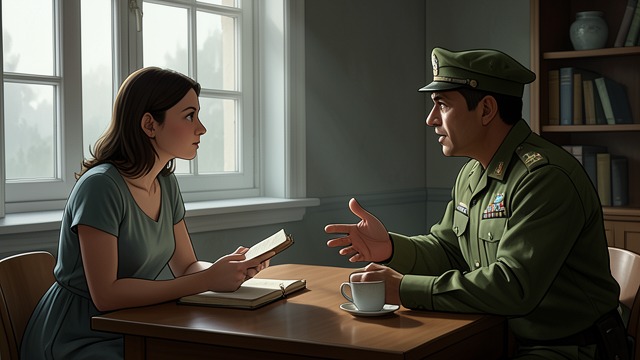
Renata asks for true stories of war and says she wants to understand Cantwell’s life. He begins to describe operations in a practical, unsentimental voice.
A private exception
He insists that war cannot truly be shared, yet tells her more than he would tell a casual listener. The telling becomes an act of intimacy rather than a bid for publication.
The Valhalla Express
The Valhalla Express
Beauty in the sky
Cantwell remembers a vast formation of aircraft crossing toward the battlefield. To soldiers below, the sight is beautiful and terrifying at once.
The ground truth
The bombing intended to clear the way also strikes Cantwell’s own troops when smoke drifts over them. His memory counters the clean language of military summaries with the experience of those underneath the bombs.
A Story Kept Back
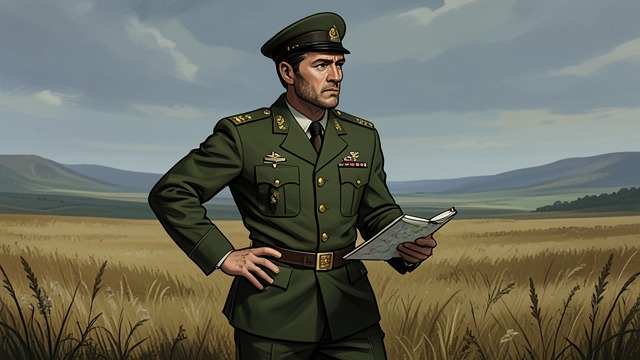
A Story Kept Back
Tactical confidence
Cantwell recalls correctly predicting where enemy forces would retreat during an advance in the Ardennes. The memory confirms his skill and the confidence of his former friend.
The unspoken error
He decides not to tell Renata the story because it would make him look too good and conceal the failures that still haunt him. What remains unsaid is as important as the anecdote itself.
The first evening at Harry’s Bar
During dinner with Renata
The morning after Cantwell’s first night in Venice
During Cantwell’s account of the Normandy breakout
During the final hunt, as Cantwell recalls the Ardennes
