
The Meaning of a Good Death
Across the River and into the TreesThis flow traces Cantwell’s reflections on death, from the combat dead he remembers to his own final effort to meet mortality with composure.
increasing Bearing strength in each event
 decreasing
Bearing strength in each eventdecreasingDeath in the Canals
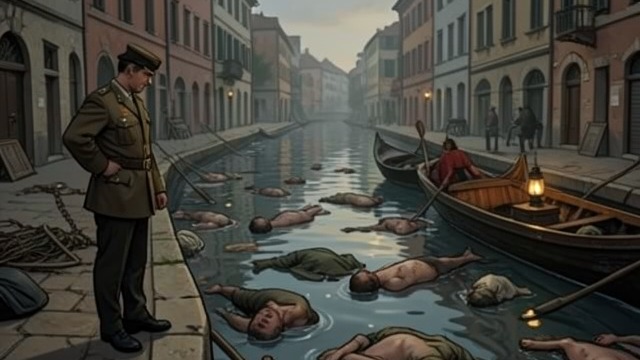
Death in the Canals
The dead after battle
Cantwell remembers soldiers thrown into canals after a major offensive because the dead had to be cleared from the riverbank. Bodies remained in the water until they could be buried.
Memory without decoration
The account is direct and physical, resisting the dignity of clean monuments. The dead remain part of the landscape even after the battlefield is rebuilt.
A Soldier’s Burial Place
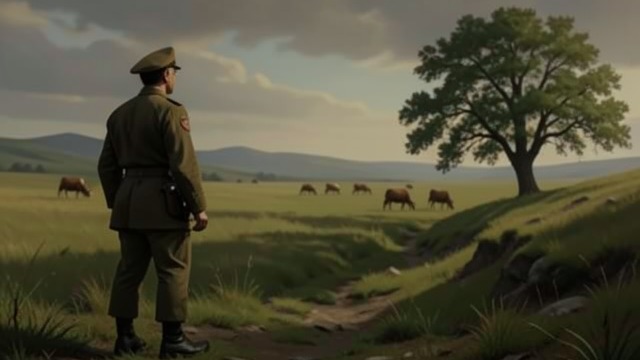
A Soldier’s Burial Place
A preferred ground
Cantwell says he would rather be buried on high ground where he fought than in a formal military cemetery. He imagines cattle grazing over the slope in summer.
Belonging after death
His wish connects burial to landscape and service. He wants his body returned to a place that has meaning, not merely to an institution.
Death as a Trade
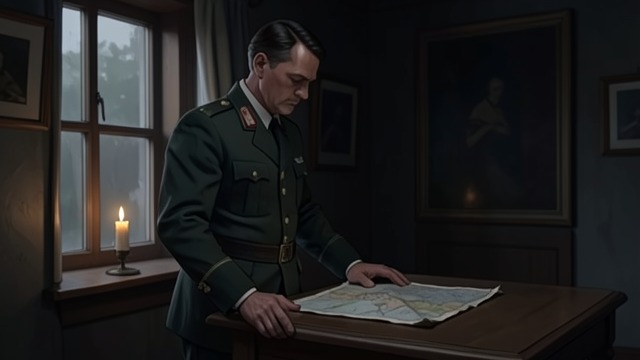
Death as a Trade
Familiarity with killing
Cantwell says he has killed many men and has not felt remorse in the way Renata expects. He describes combat dreams and terrain rather than moral absolution.
A profession’s burden
The absence of remorse does not mean the absence of memory. Death is the work he has practiced, and its consequences remain in his thoughts.
A Life Loved
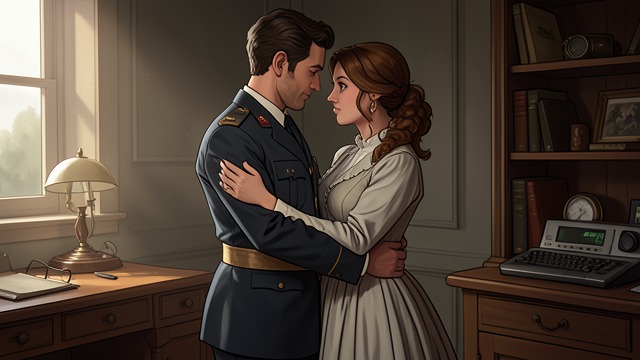
A Life Loved
Love against fear
Renata asks Cantwell to keep living and tells him that she loves him. Their tenderness makes his approaching death more painful, not less real.
A temporary armor
Cantwell describes love as protection against the nakedness of combat. The feeling can make a person feel armored, but cannot make the body invulnerable.
Rest Under the Trees
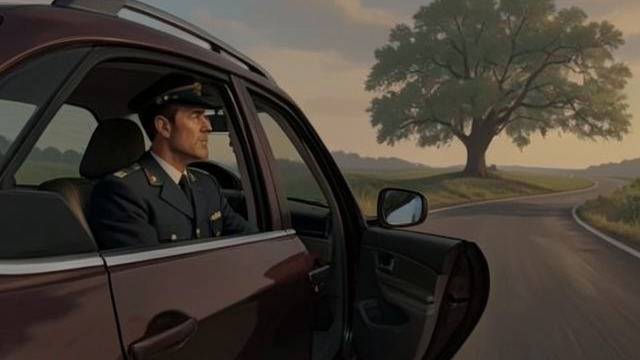
Rest Under the Trees
The last thought
Cantwell recalls the words about crossing a river and resting beneath trees as his heart fails. He asks Jackson to stop and gets into the back seat.
A quiet death
He closes the door carefully and says no more. The imagined rest frames an ending that is neither triumphant nor fully explained.
During the drive past the Piave front
During Cantwell and Renata’s conversation about his death
During Cantwell’s account of combat
During Cantwell and Renata’s last conversations
At the roadside at the end
