
Luck and the Soldier’s Illusion
Across the River and into the TreesThis flow follows Cantwell’s reflections on luck as a condition of survival that can assist a soldier but never reliably protect him from loss.
increasing Bearing strength in each event
 decreasing
Bearing strength in each eventdecreasingSurvival by Chance
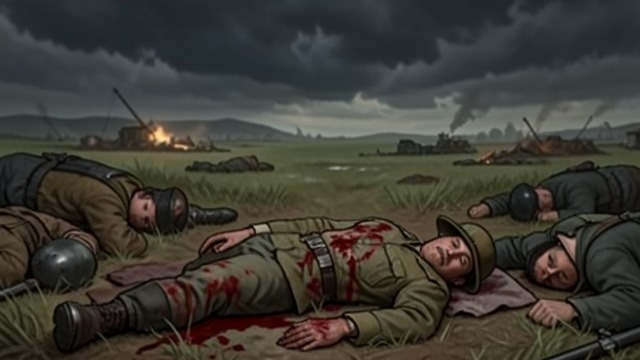
Survival by Chance
Repeated near misses
Cantwell remembers being wounded several times without being killed, while recognizing how many others died around him. Survival is not proof of superior virtue or invulnerability.
The illusion challenged
He once felt personally immortal after escaping bombardment. The eventual serious wound ended that confidence and taught him what survival had cost.
The Lucky General
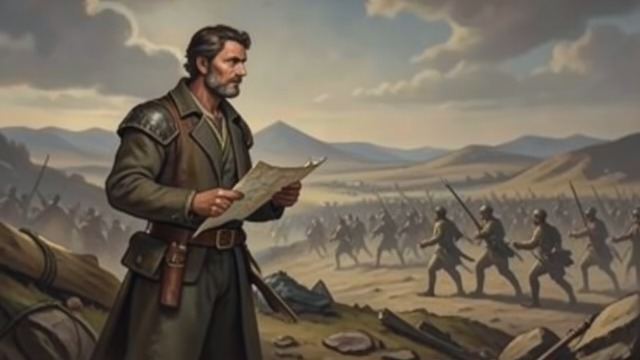
The Lucky General
Skill and fortune
Cantwell says that a commander needs luck as well as judgment. He recognizes that even sound decisions operate within conditions no officer can fully control.
A limit on mastery
His career has taught him that tactical skill cannot guarantee victory or save every unit. Luck is necessary, but it cannot serve as a plan.
The Cost of Being Wrong
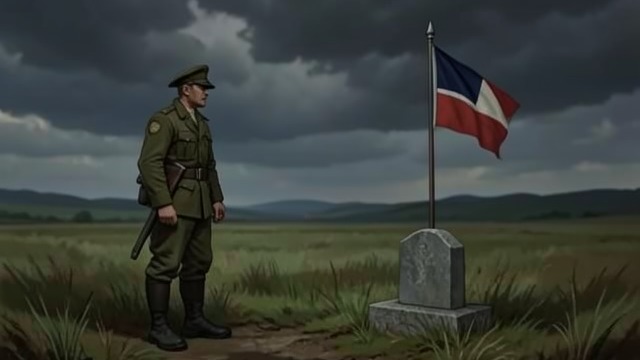
The Cost of Being Wrong
Errors that remain
Cantwell remembers three consequential decisions he believes he got wrong. The memories are painful because they involve men who died as a result of command choices.
No easy accounting
He resists explaining the decisions as simple mistakes or dismissing them as fortune. The soldier’s responsibility remains even when the battlefield is uncertain.
An Unfinished Hunt
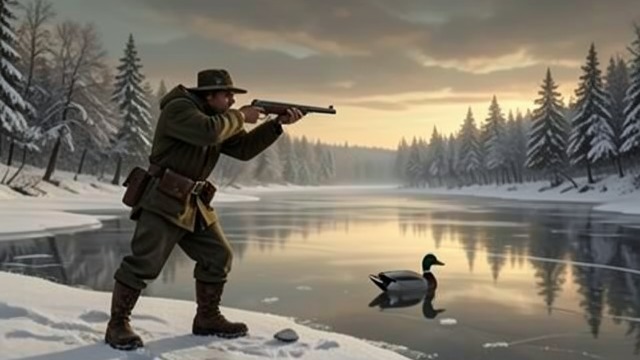
An Unfinished Hunt
Skill without abundance
Cantwell shoots well but takes fewer ducks than the leading hunter because ice and interference limit the opportunities. He refuses to measure the outing by numbers alone.
The book discarded
He says the old measures no longer govern him. The hunt offers a small version of his larger acceptance that effort and outcome do not always align.
A Final Calculation
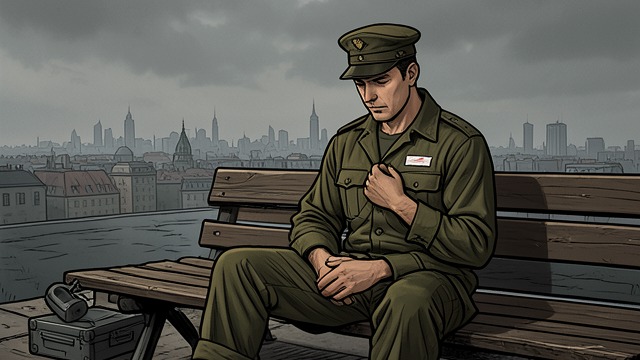
A Final Calculation
Recognizing the pattern
Cantwell counts the attacks on his heart and realizes that the next one will be fatal. His thought is not a denial but a soldier’s recognition of the odds.
Luck runs out
He has survived many dangers, but chance offers no further protection. His death closes the distance between knowing the risk and experiencing its final consequence.
During Cantwell’s recollections of his early wounds
During the conversation about command and Napoleon
During Cantwell’s recollections of lost units
During the frozen-lagoon shoot
During the drive in which Cantwell dies
