
The Soldier’s Reconciliation with the Enemy
Across the River and into the TreesThis flow follows Cantwell’s refusal to reduce former enemies to hatred, while acknowledging that combat and historical injury continue to divide people.
increasing Bearing strength in each event
 decreasing
Bearing strength in each eventdecreasingThe Enemy at the Piave
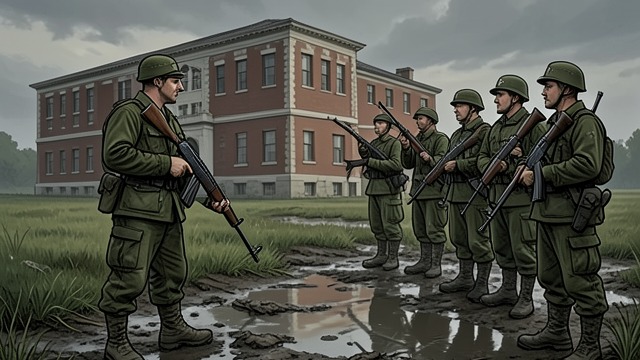
The Enemy at the Piave
Combat without hatred
Cantwell remembers killing enemy soldiers who crossed the marshes, but says he did not hate them. They were men carrying out their own military duties.
A hard distinction
His account separates the necessity of fighting from the ease of dehumanizing an opponent. The distinction does not lessen the violence; it explains how he survived it mentally.
The Germans He Liked
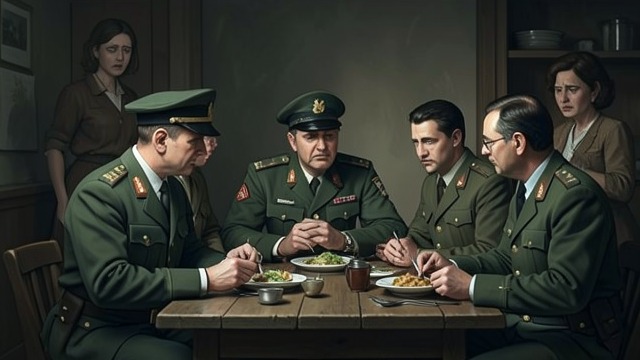
The Germans He Liked
Personal friendships
Cantwell tells Renata that he liked several German soldiers, including Erwin Rommel and Ernst Udet. He distinguishes these personal relationships from their roles as enemies.
Renata’s objection
Renata recalls that Germans killed her father and burned her family’s villa. Cantwell acknowledges her anger rather than requiring her to share his view.
Enemy and Human Being
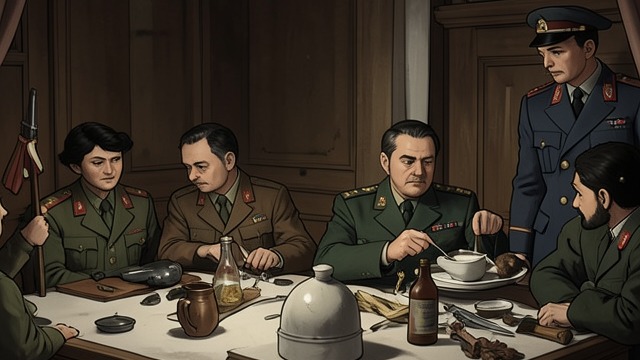
Enemy and Human Being
A soldier’s position
Cantwell says his profession requires him to be prepared to fight likely enemies, even when he likes them as people. He treats the contradiction as part of military life.
Kindness after killing
He argues that people who have killed many can afford to be kind. The claim is not a denial of violence but an effort to prevent hatred from becoming permanent.
The Boatman’s Pain
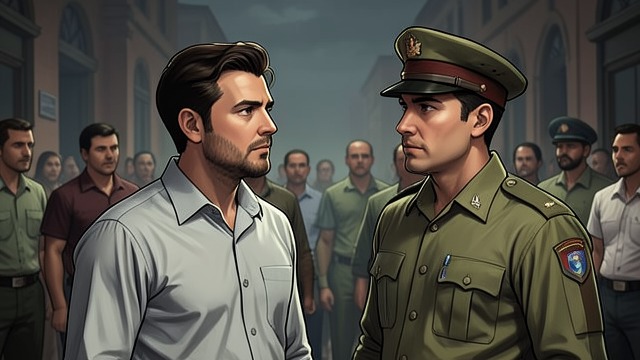
The Boatman’s Pain
A civilian consequence
Alvarito explains that the boatman’s family was assaulted by Moroccan troops during the war. The information connects the local hostility to a broader history of military violence.
Understanding without repair
Cantwell recognizes why his uniform provokes anger, though the boatman had not told him directly. Awareness does not undo the harm, but it changes the meaning of their conflict.
A City After War
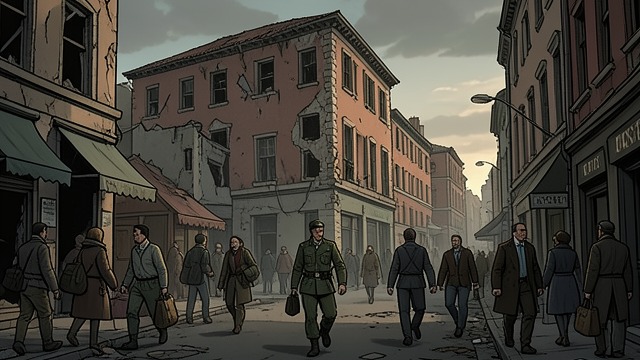
A City After War
War inside ordinary life
Venice is full of people living with histories of occupation, loss, and damaged buildings. Cantwell’s friendships cross former enemy lines, but the scars remain present.
Reconciliation without erasure
The novel offers courtesy, jokes, and shared meals without claiming that reconciliation removes the past. Peace is a way people live together, not proof that injury has vanished.
During Cantwell’s memories of the First World War
During dinner with Renata
During the same discussion of wartime enemies
After the hunt, at the lodge
During Cantwell’s last day in Venice
