
The Humane Limits of Victory
Across the River and into the TreesThis flow traces the tension between victory and mercy in Cantwell’s thoughts about enemies, wounded birds, and the people who live with war’s consequences.
increasing Bearing strength in each event
 decreasing
Bearing strength in each eventdecreasingEnemies Not Hated
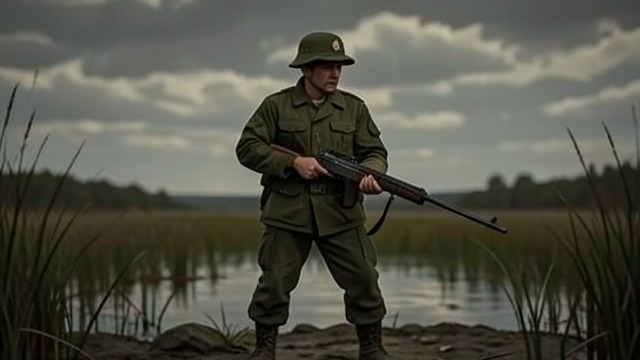
Enemies Not Hated
Killing without hatred
Cantwell remembers killing Austrian soldiers attacking across the marshes, but says he did not hate them. They were opponents within a military contest, not abstractions.
Mercy after victory
His capacity to distinguish combat from personal hatred becomes part of his idea of soldierly decency. Victory does not require permanent contempt for the defeated.
The Human Enemy
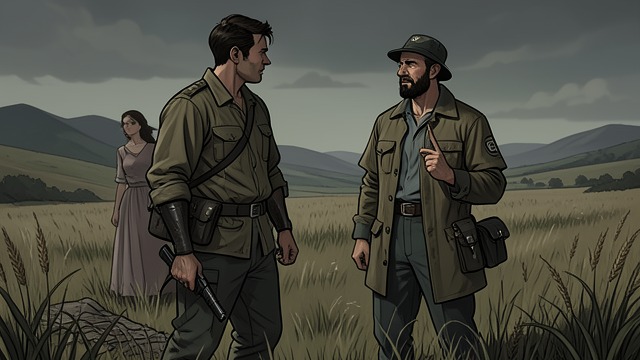
The Human Enemy
Former opponents remembered
Cantwell speaks warmly of some German soldiers he knew after the war. Renata responds with her own family’s suffering at German hands.
Two histories held together
Neither account cancels the other. The conversation shows that reconciliation must allow personal affection and historical injury to remain simultaneously true.
The Wounded Bird
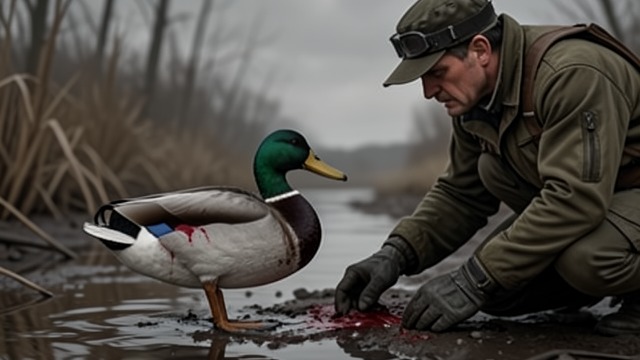
The Wounded Bird
Care after the shot
Cantwell examines a wing-tipped mallard and discovers that it is alive. He does not treat its survival as merely a chance for another shot.
A limited mercy
He asks that the bird be kept or released in spring. The choice gives the hunt a small act of care without undoing the killing that preceded it.
The Boatman’s Family
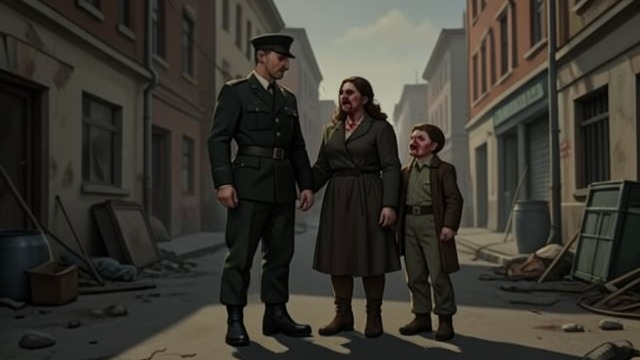
The Boatman’s Family
Civilian suffering
Cantwell learns that the boatman’s wife and daughter were raped during the war. The story makes clear that military violence continues to shape civilian life long after troops pass through.
A humbled judgment
Cantwell had interpreted the boatman’s behavior as personal hostility. He now understands that the uniform he wears carries a history the man cannot forget.
What Victory Cannot Restore
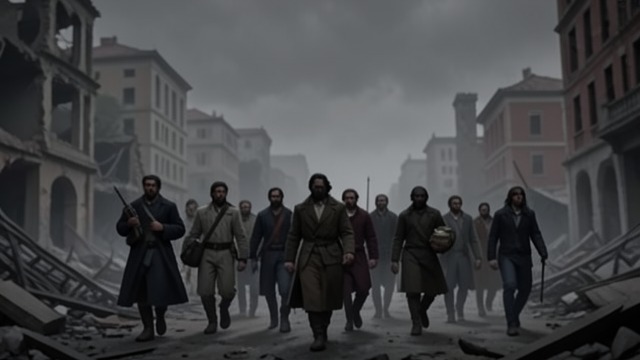
What Victory Cannot Restore
The war outlasts its ending
Cantwell’s memories return to dead soldiers, damaged families, and places rebuilt over ruins. Formal victory does not restore what violence took.
Mercy without absolution
The novel values kindness and understanding without suggesting that they erase injury. The people left alive must carry a past that victory cannot make whole.
During Cantwell’s account of the Piave fighting
During dinner with Renata
At the end of the final hunt
After the hunt, at the lodge
During Cantwell’s drive away from the hunt
