
Paul and the Jerusalem Leaders
Acts of the ApostlesPaul’s relationships with Jerusalem leadership move from mission authorization to warnings, accommodations, arrest, and competing public accounts.
increasing Bearing strength in each event
 decreasing
Bearing strength in each eventdecreasingA Delegation Seeks Guidance
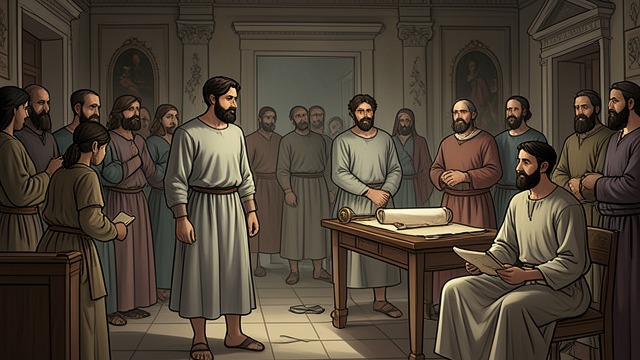
Antioch Turns to Jerusalem
A difficult question is shared
Paul and Barnabas report the Gentile mission, while some believers demand circumcision. The Antioch church sends a delegation rather than settling the issue privately.
Authority becomes collective
The Jerusalem gathering hears multiple witnesses and debates. Paul’s mission receives a wider communal judgment, even though the decision does not end every later conflict.
James Warns Paul

A Welcome Includes a Warning
Paul reports his work
James and other leaders rejoice at the Gentile mission but explain that many Jewish believers are zealous for the law and have heard rumors about Paul.
An accommodation is proposed
James asks Paul to participate in a purification ritual to demonstrate his continued respect for Jewish practice. The proposal seeks to protect fellowship but cannot control the crowd’s response.
Paul Enters the Temple
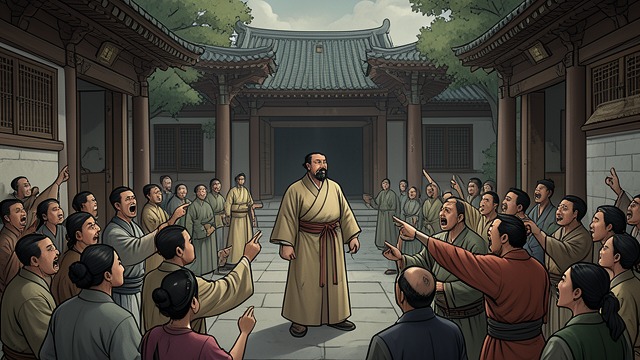
A Gesture Fails to Prevent Violence
Paul acts on the advice
Paul participates in the ritual and enters the Temple, signaling that he has not abandoned Jewish custom. The action is meant as a visible response to rumors.
Suspicion overwhelms evidence
Visitors from Asia accuse him of bringing a Gentile into the Temple. The claim triggers a mob, showing the limits of Paul’s effort to demonstrate his intentions.
Paul Defends His Mission
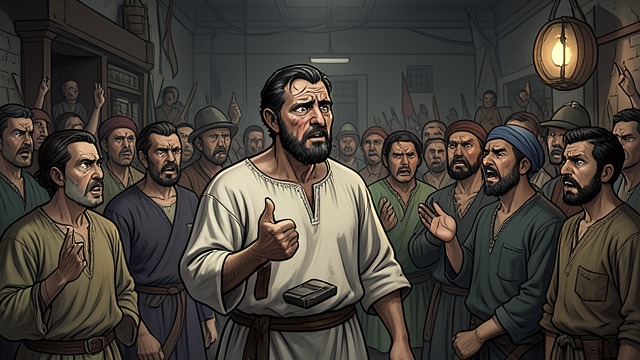
A Personal History Becomes an Argument
Paul begins with common ground
He tells the crowd about his Jewish formation and former persecution of the Way. The account invites listeners to see that his mission emerged from a claim rooted in Israel’s God.
Gentile witness provokes rejection
When Paul describes his commission to Gentiles, the crowd erupts again. His effort at explanation reveals both his continuing attachment to Jewish identity and the depth of division around his work.
A Roman Escort Replaces Dialogue

Protection Comes from an Ambiguous Ally
Roman force intervenes
The tribune removes Paul from the crowd and later transfers him to Caesarea under heavy guard. Roman authority protects Paul even as the Empire remains a system he challenges.
The relationship remains uneasy
Paul’s survival depends on officers acting to preserve order and legal process. The protection does not resolve his relationship with the Jerusalem community or with imperial power.
After disputes arise over Gentile circumcision
After Paul returns to Jerusalem near the end of his travels
During the final days of the purification period
After the tribune allows Paul to address the Jerusalem crowd
After the crowd renews its demand for Paul’s death
