
Gentile Witness and Local Resistance
Acts of the ApostlesAcross cities, the mission encounters responses ranging from curiosity to mob violence, forcing the witnesses to adapt without abandoning their purpose.
increasing Bearing strength in each event
 decreasing
Bearing strength in each eventdecreasingCyprus Tests Competing Claims
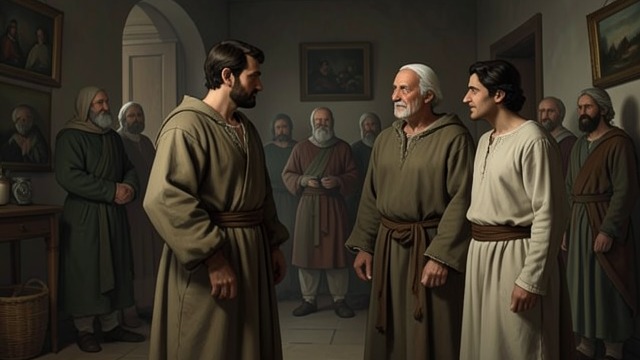
A Governor Hears Two Voices
Bar-Jesus resists the message
The Jewish magician Bar-Jesus tries to turn Sergius Paulus away from the missionaries. His position depends on influence over the governor and the practices he represents.
Paul confronts the obstruction
Paul names the magician’s deception, and Bar-Jesus becomes blind. Sergius Paulus believes, and the confrontation exposes how authority and religious claims compete for influence.
Pisidian Antioch Divides
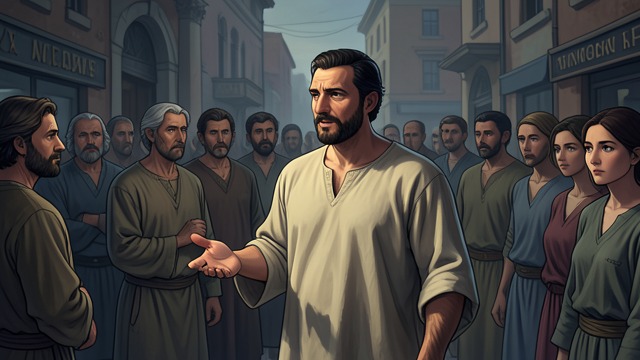
A Welcome Turns to Opposition
Scripture frames the appeal
Paul presents Jesus as continuous with Israel’s promises. Many listeners respond with interest and return to hear more.
Opposition redirects the mission
Some Jewish opponents become hostile, and Paul turns toward Gentile audiences. The shift carries the mission forward but also sharpens the narrative’s polemical division between communities.
Iconium Turns to Violence
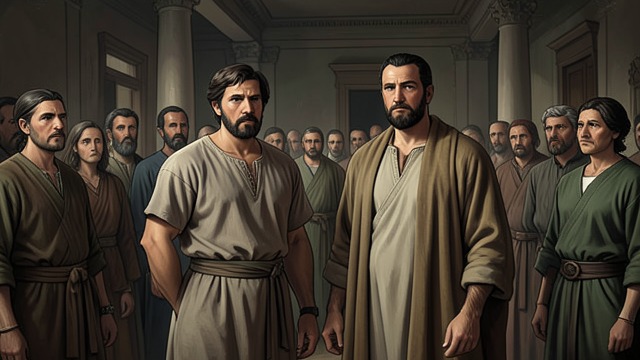
A City Splits Over the Message
Some listeners believe
Paul and Barnabas speak in the synagogue, and both Jewish and Greek listeners respond. The mission initially takes shape through a divided but still open public encounter.
A conspiracy forces departure
Opponents stir up others against the witnesses, and the city prepares violence. Paul and Barnabas flee to Lystra and Derbe rather than remain in immediate danger.
Lystra Mistakes the Witnesses
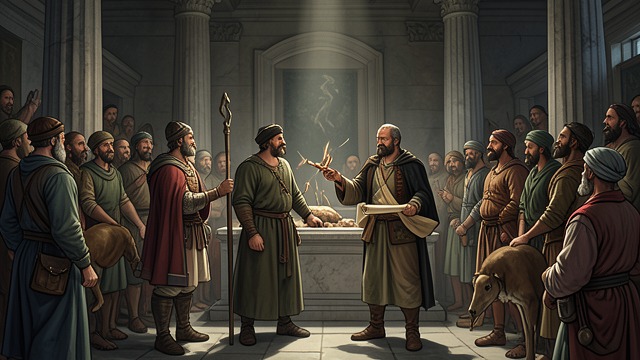
A Healing Is Misread
The crowd names gods
People identify Barnabas and Paul as Zeus and Hermes and prepare sacrifices. The response is not conversion but an attempt to fit the healing into an existing system of worship.
The missionaries refuse worship
They insist they are mortal and call the crowd toward the living God. The scene shows that favorable attention can be as misleading as hostility when the audience misunderstands the message.
Thessalonica Sends a Mob
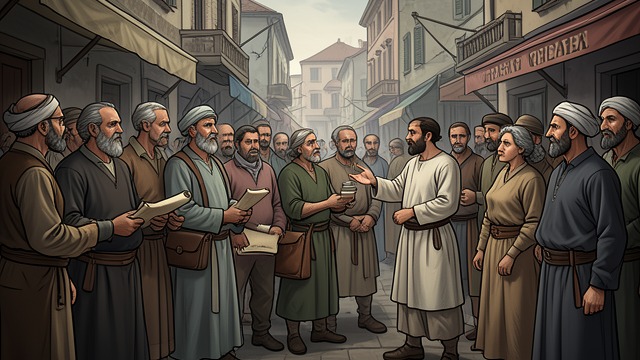
A Claim of Disorder Follows the Mission
The message attracts diverse listeners
Paul preaches in the synagogue, and Jewish and Greek listeners respond, including women of standing. The community grows across social boundaries.
A hostile crowd acts
Opponents accuse the missionaries of turning the world upside down and bring Jason before officials. The witnesses flee to Beroea, where their reception differs sharply.
During the first missionary journey at Paphos
After Paul’s synagogue sermon in Antioch of Pisidia
After a mixed response to preaching in Iconium
After Paul heals a person unable to walk in Lystra
During Paul and Silas’s stay in Thessalonica
