
The Realm Crosses Boundaries
Acts of the ApostlesThis flow follows the widening of the community from Jewish followers in Jerusalem to Samaritans, Gentiles, and people beyond familiar social boundaries.
increasing Bearing strength in each event
 decreasing
Bearing strength in each eventdecreasingJerusalem as Origin
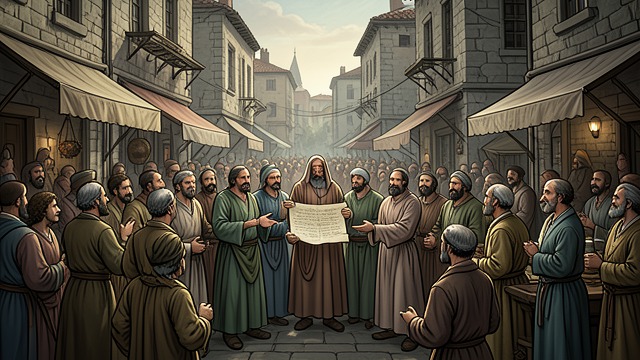
The Witness Begins at Its Center
A Jewish setting
The first public preaching and communal life unfold in Jerusalem. The apostles present the movement as rooted in Israel’s story rather than as a separate religion detached from Jewish tradition.
An outward trajectory
The commission already names movement beyond the city. Jerusalem is the point of departure, not the boundary of the promised community.
Samaria Welcomes Philip
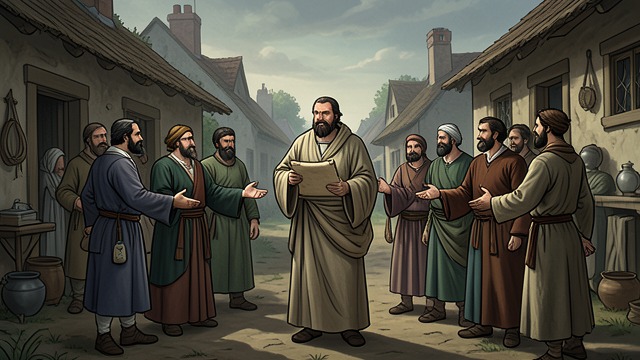
A Neighboring Community Responds
Crossing a historic divide
Philip preaches in Samaria, where people receive his message and are baptized. The response challenges inherited suspicion between Jewish and Samaritan communities.
Recognition by the apostles
Peter and John visit the new believers, and the Samaritans receive the Holy Spirit. Their presence in the movement becomes an acknowledged extension of the community’s reach.
The Eunuch Joins
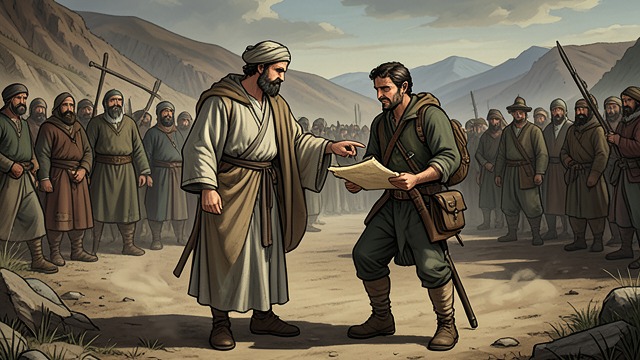
A Roadside Reading Opens a Door
Scripture and experience meet
An Ethiopian eunuch reads Isaiah while traveling from Jerusalem. Philip approaches at the Spirit’s direction and explains the passage in relation to Jesus.
Baptism makes belonging visible
The eunuch asks to be baptized and joins the movement. The episode extends the witness geographically and raises the question of how people marked by gender and ritual exclusion are received.
Cornelius Is Received
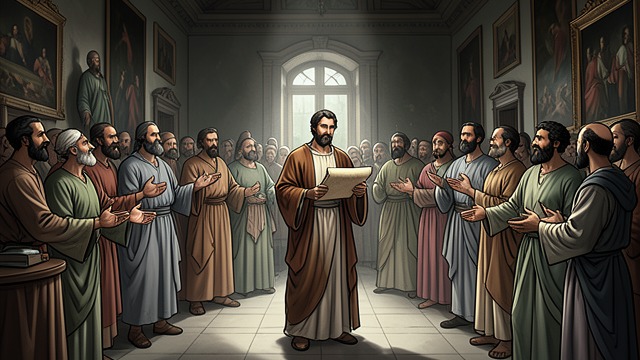
Gentile Belonging Is Confirmed
A meeting guided by visions
Cornelius and Peter each receive a vision that brings them together. Peter preaches in a Gentile household and recognizes the Spirit’s presence among those listening.
Baptism follows experience
The Gentiles receive the Spirit before Peter can restrict their admission. Their experience persuades Peter that baptism should not be withheld from them.
The Mission Reaches Rome
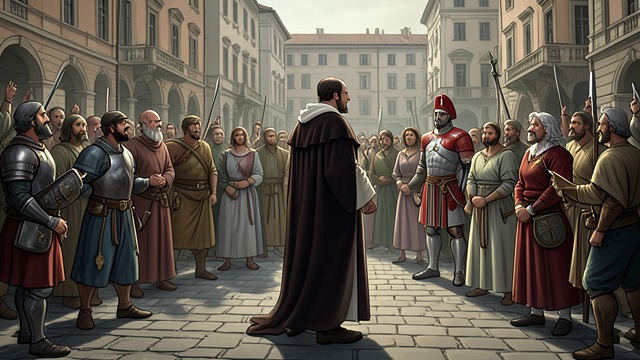
The Far Edge Becomes a New Beginning
The imperial city
Paul’s arrival carries the witness into Rome, the central symbol of imperial power and the narrative’s distant destination. He addresses Jewish leaders before welcoming all who come to hear him.
No final boundary
The book ends with public proclamation rather than a final conversion or political triumph. The open ending invites the reader to imagine witness continuing beyond Rome.
At the beginning of the public mission
After believers flee Jerusalem following Stephen’s death
On the wilderness road from Jerusalem to Gaza
At Caesarea, after Peter’s vision in Joppa
At the closing scene in Rome
