
Delay, Endurance, and the Unfinished Future
Acts of the ApostlesActs presents a community waiting for final restoration while learning to sustain witness, communal life, and hope during an extended delay.
increasing Bearing strength in each event
 decreasing
Bearing strength in each eventdecreasingThe Question of Timing
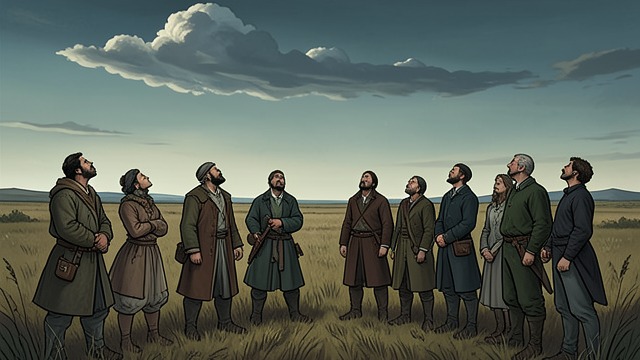
The End Is Not Scheduled
The apostles ask when
The disciples ask whether Jesus will restore the Realm to Israel at that moment. Jesus refuses to provide a timetable and directs attention toward the Spirit-enabled work ahead.
Waiting gains a vocation
The community is not told to remain passive. Its task is to witness in widening circles while the time of completion remains unknown.
The Spirit Marks the Last Days

The Future Begins in the Present
An expected gift arrives
The Spirit’s outpouring signals that the last days have begun. Peter describes a community in which women and men, young and old, receive prophetic responsibility.
Fulfillment is still incomplete
The event is a beginning rather than the final restoration. The church embodies some qualities of the coming age while continuing to live amid conflict and death.
The Mission Takes Time
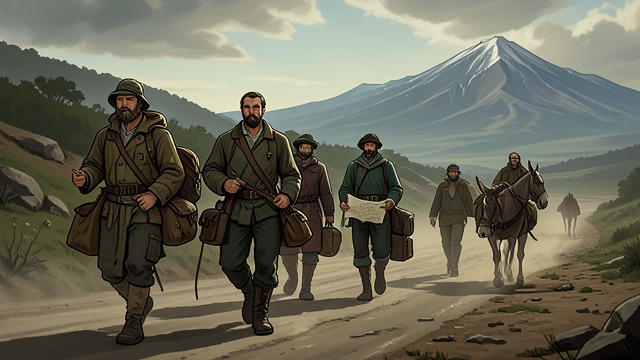
Endurance Replaces Immediate Fulfillment
Travel is slow and vulnerable
Paul’s work proceeds through long journeys, delays, disagreements, and repeated dangers. The narrative’s pace teaches a community facing postponement to keep moving rather than expect instant change.
Local communities sustain the work
Believers provide hospitality, money, companionship, and teaching. These practices become signs of the future in a period when the future has not fully arrived.
Prison Becomes a Mission Field
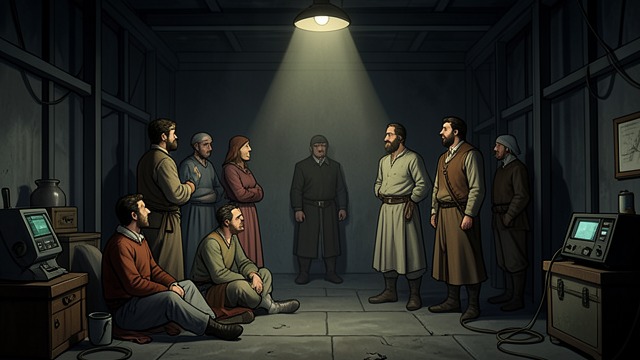
Confinement Does Not End Witness
The prisoners remain attentive
Paul and Silas pray and sing while locked in the inner cell. Their witness reaches fellow prisoners and the jailer, even before any release occurs.
Freedom is relational
The earthquake opens the prison, but Paul’s first concern is the jailer’s life. The scene presents mission as care for people inside an oppressive structure, not simply escape from it.
The Book Leaves the Story Open
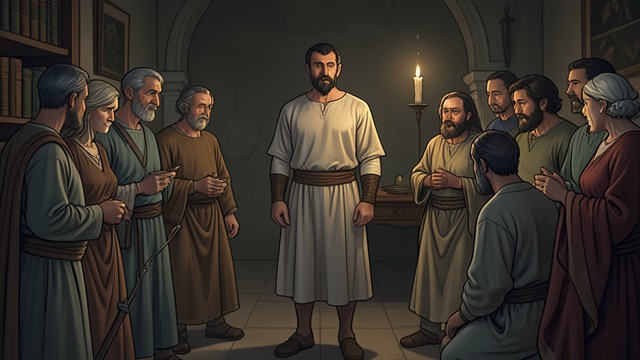
The Ending Becomes a Commission
Paul continues to speak
Under house arrest, Paul welcomes visitors and proclaims the Realm without hindrance. His physical confinement does not conclude the mission.
Readers inherit the delay
Acts does not narrate a final apocalypse or Paul’s death. Its open ending shifts responsibility toward later communities, who must decide how to continue the witness while they wait.
At the Ascension before the disciples return to Jerusalem
At Pentecost
During Paul’s extended journeys after the Jerusalem council
During Paul and Silas’s imprisonment in Philippi
The final verses during Paul’s house arrest in Rome
