
Stephen’s Witness and Saul’s Reversal
Acts of the ApostlesStephen’s public testimony ends in martyrdom, while the same persecutory crisis precedes Saul’s transformation into a missionary.
increasing Bearing strength in each event
 decreasing
Bearing strength in each eventdecreasingService Becomes Witness
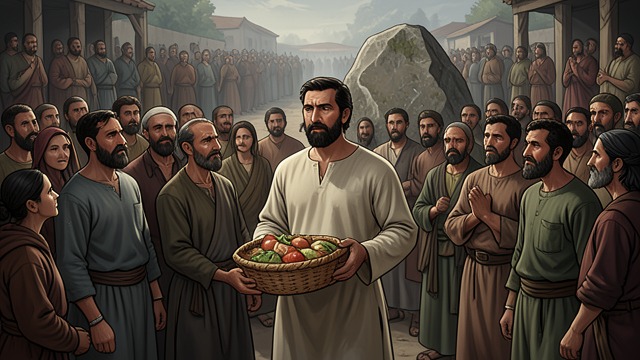
Stephen Emerges as a Public Figure
Care and proclamation
Stephen is among those appointed to serve the community’s practical needs. He also performs signs and speaks with a force that draws public attention.
Opposition takes shape
Arguments with opponents escalate into accusations that Stephen attacks Moses, the Temple, and the law. The episode sets a community servant on a path toward public trial.
A Defense Reverses Blame
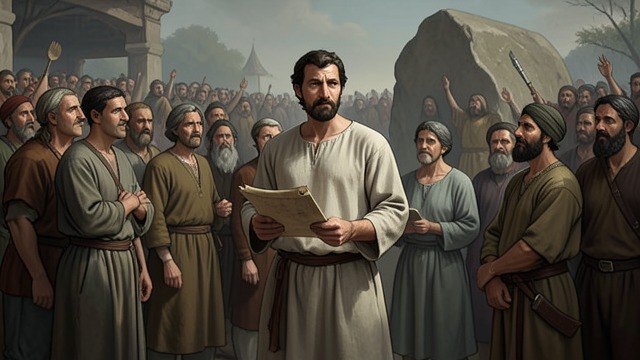
Israel’s Story Becomes a Charge
A long historical account
Stephen recounts the stories of Abraham, Joseph, Moses, and the prophets. He presents himself as faithful to Israel’s tradition while accusing his judges of resisting the Spirit.
Rhetoric narrows the escape
His speech is not a neutral summary of Israel’s history; it is a polemical defense shaped by the conflict. The crowd’s anger turns a legal hearing into a dangerous confrontation.
Stephen Is Stoned
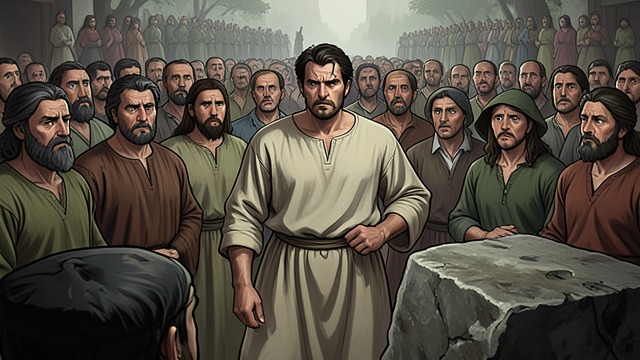
Witness Ends in Martyrdom
The crowd turns violent
The enraged crowd drags Stephen outside the city and stones him without a fair hearing. He sees Jesus at God’s right hand and entrusts himself to God.
Forgiveness shapes his death
Stephen asks God to forgive the people killing him. His death echoes Jesus’s suffering, making him a model of courage without turning his acceptance of death into a command for passivity.
Saul Enforces Persecution
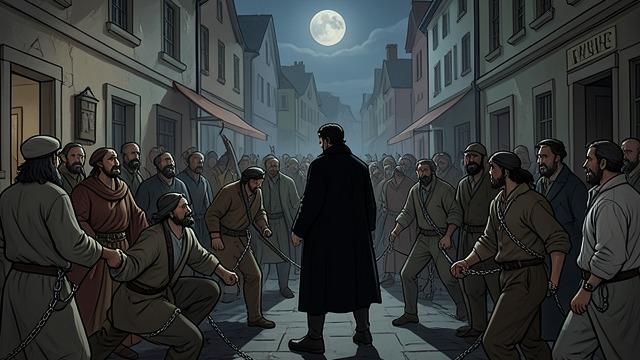
Saul Becomes an Agent of Fear
Homes are searched
Saul approves Stephen’s death and ravages the church, entering houses and taking men and women to prison. The violence is no longer limited to a single public killing.
Scattering changes the movement
Believers leave Jerusalem under pressure. Saul’s campaign intends to contain the movement but instead sends its members into new regions.
Saul Becomes a Witness
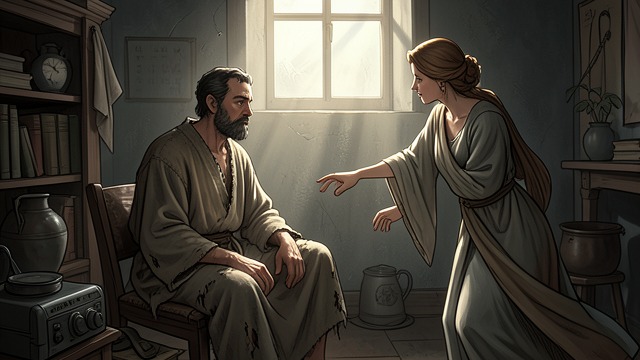
The Persecutor Changes Direction
Sight and identity return
After the encounter on the road, Saul stays blind until Ananias comes to him. He receives his sight, is baptized, and begins associating with the community he had attacked.
A call is recognized
His new preaching provokes suspicion and danger, and believers help him escape. The transformation is not merely a private change of belief; it redirects his public authority toward the Gentile mission.
After the seven are selected to address the widows’ needs
At Stephen’s hearing before the council
Immediately after Stephen finishes his defense
Immediately after Stephen’s death
After the Damascus encounter and Ananias’s visit
