
The Trojan Road to Italy
AeneidThis flow traces Aeneas from the destruction of Troy through exile, prophecy, loss, and the eventual seizure of an Italian future.
increasing Bearing strength in each event
 decreasing
Bearing strength in each eventdecreasingTroy in Flames
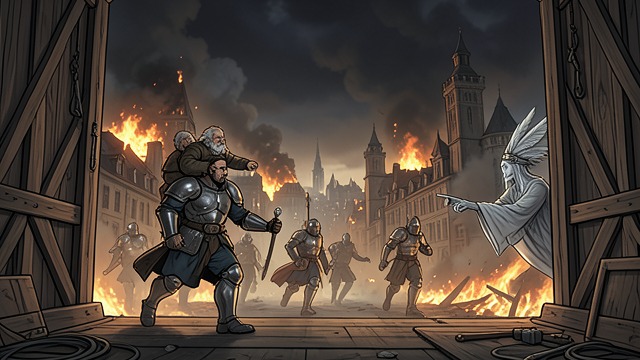
Troy in Flames
Collapse
Troy falls when the Greeks enter through the Trojan Horse and the city’s defenses dissolve. Aeneas sees that courage can no longer preserve the old order.
Mandate
The ghost of Hector commands flight, not futile resistance. The Trojan future must survive through movement rather than victory.
Consequence
Aeneas leaves carrying the gods and Anchises, turning catastrophe into the first stage of a national mission.
Flight with Anchises
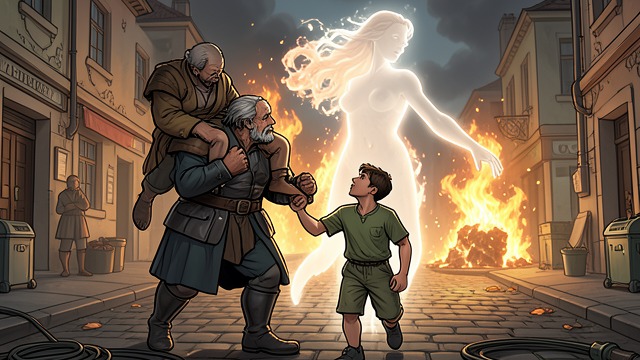
Flight with Anchises
Burden
Aeneas carries Anchises while leading Ascanius through burning streets. His body becomes the vehicle of continuity between generations.
Separation
Creusa is lost during the escape, and Aeneas returns through the ruins to seek her. Her ghost tells him that destiny requires another marriage and another homeland.
Meaning
The escape establishes pietas as active labor: family, gods, and future descendants all depend on Aeneas’s endurance.
Searching for Italy
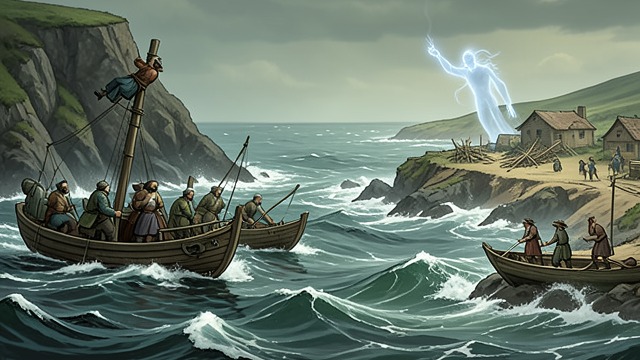
Searching for Italy
False Beginnings
The Trojans build at Antandros, suffer the horror of Polydorus in Thrace, and mistake Apollo’s answer by settling in Crete.
Correction
The household gods reveal that the true destination is Italia, not Crete. Prophecy becomes a route that must be interpreted rather than merely obeyed.
Progress
Storms, hostile shores, and supernatural warnings repeatedly delay the fleet, but each trial narrows the path toward Italy.
Carthage and Departure
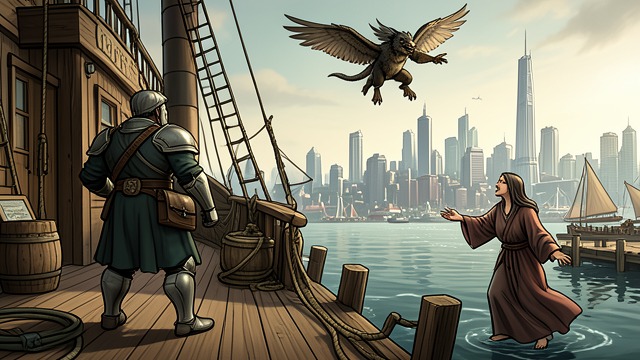
Carthage and Departure
Temporary Home
Dido offers Aeneas safety, intimacy, and a developing city. Carthage appears to be a possible settlement rather than another stopping place.
Divine Recall
Mercury reminds Aeneas that Ascanius and the Italian future outrank present pleasure. He prepares the fleet in secrecy.
Rupture
Aeneas leaves despite Dido’s pleas, proving that the central journey requires repeated sacrifice of personal happiness.
Arrival in Latium
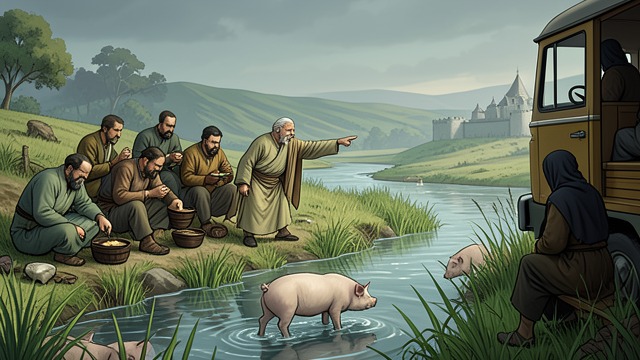
Arrival in Latium
Recognition
The Trojans reach the Tiber and discover that the prophetic signs point to Latium. Even the humble meal of bread becomes an omen of settlement.
Welcome
Latinus recognizes Aeneas as the foreign bridegroom promised by prophecy and offers land, alliance, and Lavinia.
War
Juno and Alecto transform a possible union into conflict. The journey ends geographically, but its political struggle begins.
the final night of Troy
immediately after the fall of Troy
the years after Troy’s destruction
after Aeneas reaches Carthage
the beginning of the Italian settlement
