
Ritual and Social Order
AeneidThis flow traces how ritual practices distinguish sacred continuity from violence and repeatedly attempt to restore communal order.
increasing Bearing strength in each event
 decreasing
Bearing strength in each eventdecreasingThe Trojan Household Gods
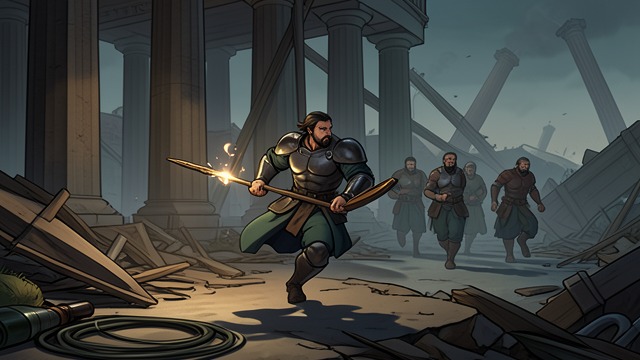
The Trojan Household Gods
Preservation
Aeneas removes the sacred images and fire from Troy’s collapsing temples.
Continuity
The gods travel with the family and later guide the interpretation of prophecy.
Order
Ritual becomes the first institution preserved after political destruction.
Polydorus’s Rites
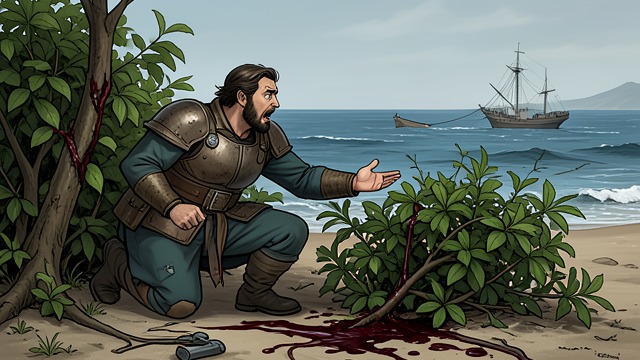
Polydorus’s Rites
Discovery
Aeneas finds Polydorus’s blood emerging from the wounded myrtle and learns that royal betrayal has polluted the shore.
Purification
The Trojans perform funeral rites, build a tomb, and invoke the dead before departure.
Meaning
Burial transforms horror into obligation and makes departure morally possible.
Anchises’s Funeral
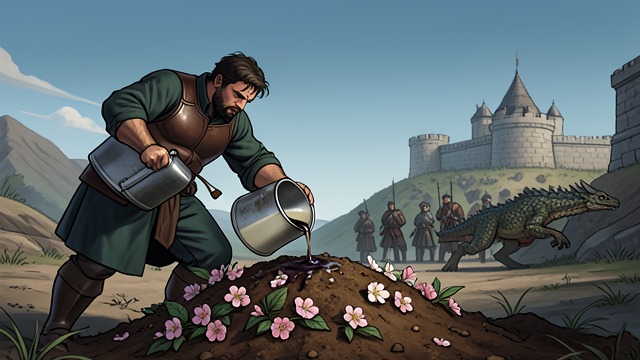
Anchises’s Funeral
Offering
Aeneas pours wine, milk, blood, and flowers at the tomb of Anchises.
Spectacle
The serpent and the games turn the tomb into a center of communal attention.
Continuance
Funeral practice confirms that the dead remain active in the social life of the living.
The Burial Truce
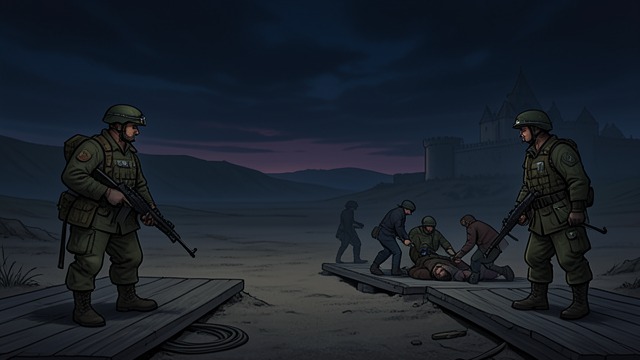
The Burial Truce
Suspension
The Latins request time to retrieve and burn their dead, appealing to common human obligations.
Consent
Aeneas grants the truce even while demanding Turnus’s accountability.
Significance
The rite briefly restores a shared moral order within a war that has treated bodies as trophies.
The Broken Altars
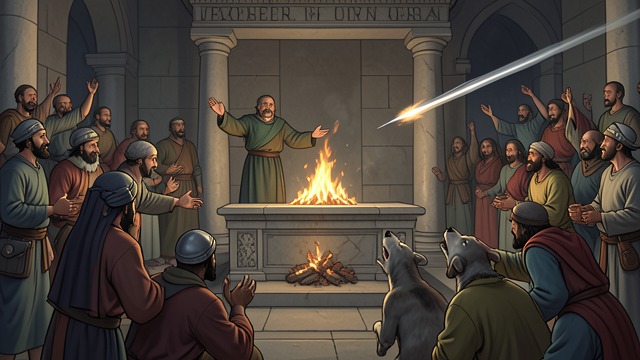
The Broken Altars
Ceremony
Trojans and Latins prepare sacred ground, victims, fire, and vows for the single combat.
Violation
Juturna’s agitation produces a missile attack before the agreed contest begins.
Consequence
The half-performed sacrifice reveals the destruction of ritual order and justifies Aeneas’s later fury.
during the escape from Troy
after the revelation in Thrace
the first anniversary of his death in Sicily
after Pallas’s death
when the final duel’s truce collapses
