
The Cost of Sacred Gold
AeneidThis flow follows the poem’s recurring suspicion of wealth, trophies, and material desire when they displace human and sacred obligations.
increasing Bearing strength in each event
 decreasing
Bearing strength in each eventdecreasingPolydorus’s Gold
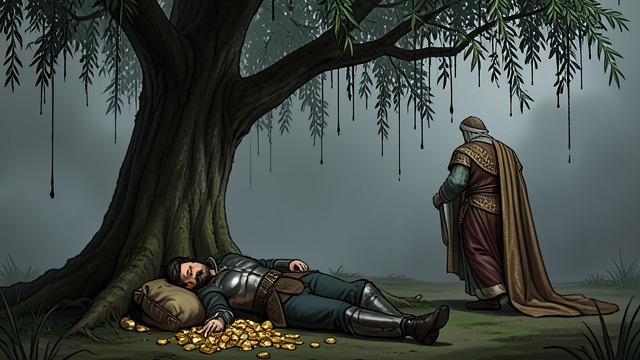
Polydorus’s Gold
Betrayal
Priam sends Polydorus to Thrace with treasure for safekeeping.
Corruption
The Thracian ruler murders the youth when Troy begins to fall, exchanging loyalty for wealth.
Judgment
The speaking myrtle condemns gold that dissolves kinship, hospitality, and political faith.
Dido’s Treasure
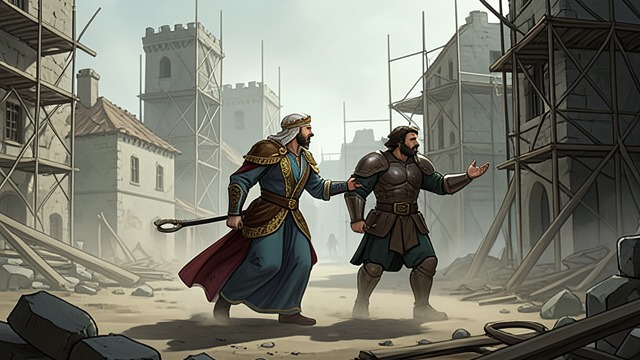
Dido’s Treasure
Display
Dido leads Aeneas through Carthage and displays wealth, walls, and public works.
Desire
Her material magnificence becomes part of her attempt to make the wandering hero remain.
Irony
The city’s unfinished works reveal that love has displaced civic labor, leaving wealth without stable purpose.
The Looted Juno Temple

The Looted Juno Temple
Spoils
Aeneas sees Phoenix and Ulysses guarding treasure taken from Trojan homes and altars.
Desecration
Golden bowls, priestly garments, and sacred tables have become military property.
Memory
The scene shows conquest as the conversion of religious meaning into portable wealth.
The Belt of Pallas

The Belt of Pallas
Trophy
Turnus takes the golden belt from Pallas and wears it after the killing.
Symbol
The object transforms a dead youth into a permanent accusation carried on the victor’s body.
Verdict
When Aeneas sees it, material spoil becomes moral evidence and determines the final blow.
The Shield’s Wealth
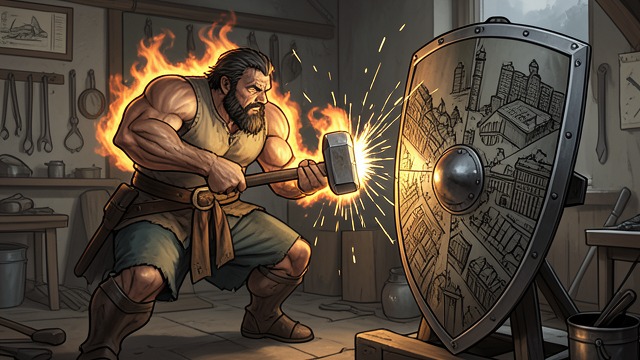
The Shield’s Wealth
Craft
Vulcan builds the shield from precious metals and disciplined labor.
Purpose
Unlike stolen treasure, its brilliance serves defense, memory, and public history.
Distinction
The poem separates wealth used for communal meaning from gold used to display domination.
during the Trojan retreat to Thrace
during Aeneas’s first days in Carthage
during Aeneas’s search for Creusa after Troy’s fall
during the final duel
during the forging of Aeneas’s arms
