
The Memory of Hector
AeneidThis flow follows Hector’s continuing presence as the moral image of Troy and as a standard by which survivors measure themselves.
increasing Bearing strength in each event
 decreasing
Bearing strength in each eventdecreasingThe Bloody Ghost
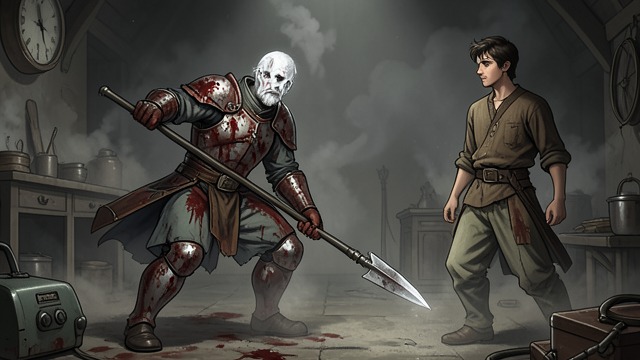
The Bloody Ghost
Appearance
Hector appears to Aeneas wounded, dragged, and covered in the signs of Troy’s defeat.
Contrast
The ghost recalls the heroic defender while showing what war has done to him.
Command
He redirects Aeneas from a doomed defense toward the preservation of the Trojan future.
Andromache’s Question
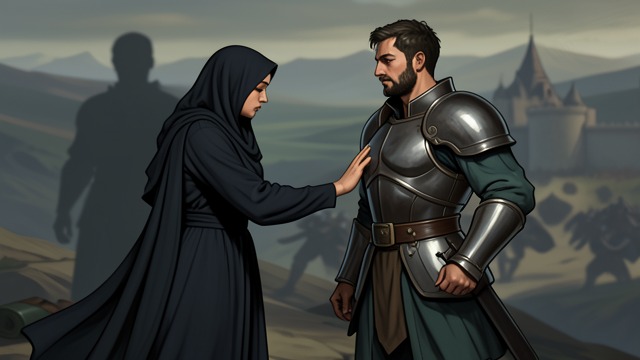
Andromache’s Question
Recognition
Andromache asks whether Aeneas is alive or only Hector’s ghost returned.
Grief
His armor and presence reopen the memory of Hector, whose absence defines her substitute marriage.
Exchange
Aeneas’s questions about her fate reveal how survivors carry the dead into every new relationship.
Hector’s Followers
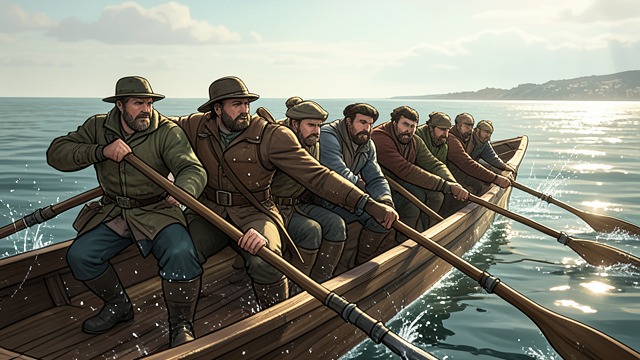
Hector’s Followers
Identity
Mnestheus invokes the men he once led from Troy and urges them to row with the strength of Hector’s followers.
Competition
The games preserve military memory without requiring immediate battle.
Continuity
Hector’s name becomes a standard of courage for a community still searching for a home.
The Hector Standard
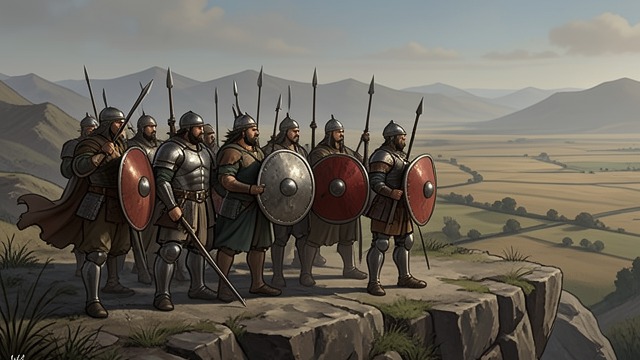
The Hector Standard
Comparison
The Trojans measure their conduct against Hector’s courage and piety rather than against simple battlefield success.
Pressure
Their defensive discipline reflects the old city’s lessons, while their attacks test whether those lessons can survive exile.
Legacy
Hector’s memory becomes an ethical standard for the new nation.
The Son’s Continuance
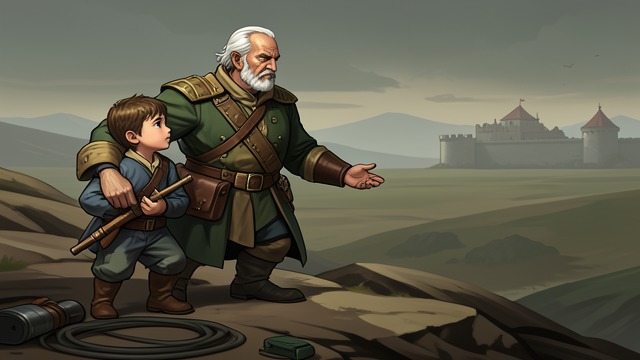
The Son’s Continuance
Recognition
Aeneas tells Ascanius to be mindful of his worth and to prove the inheritance of Trojan heroes.
Transmission
Hector’s world survives not through restoration of Troy but through the training of a new generation.
Future
Ascanius will carry the memory into the line that leads to Rome.
the first dream during Troy’s final night
during the meeting at Buthrotum
during the funeral games in Sicily
during the Italian war
near the end of the poem
