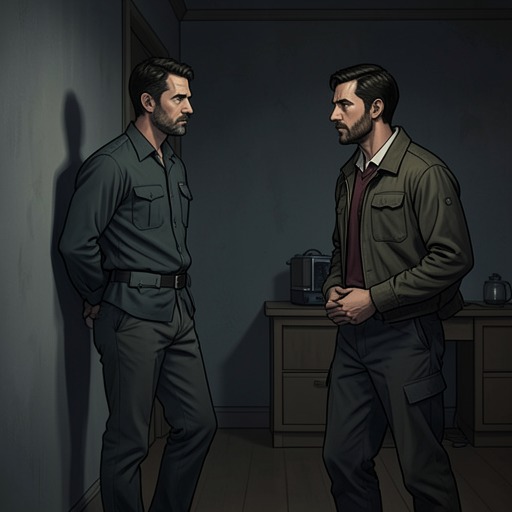
Hardin restrains himself from hitting Landon
After Ever HappyHardin’s restraint from striking Landon is the turning point of a confrontation fueled by concealed plans, perceived betrayal, and fear of losing Tessa. Hardin does shove Landon against a wall and raises his fist, but when Landon repeatedly invites him to hit, Hardin stops himself and leaves the room. The scene makes restraint visible not as the absence of anger, but as a choice made while anger is still active.
Background and Pressure
The confrontation follows Tessa’s decision to go to New York City and the discovery that Landon has been helping her prepare for the move. Landon and Ken have assisted with recommendation letters, transcripts, admission packets, and applications. Tessa does not want to tell Hardin about Landon’s role. When she says she plans to take a semester off after arriving, Hardin recognizes that the plan has been kept from him and accuses Landon of having known all along.
Hardin experiences the assistance as a double betrayal: Tessa is preparing to leave while he has continued to offer marriage, adoption, and other forms of a shared future, and Landon has helped her while appearing to remain Hardin’s friend. His anger is therefore bound up with the possibility that both of his closest relationships have been proceeding without his knowledge. Tessa tries to defend Landon, but Hardin rejects the explanation and goes into the house to confront him.
The argument also carries the weight of the couple’s wider conflict over how to name their relationship. Earlier, Tessa asks Hardin whether he has considered signs of an abusive relationship, clarifying that she means their mutual pattern of deliberately hurting each other, not an accusation that he has physically abused her. Hardin hears the word as a threat to the possibility of their future together and insists on the distinction between an unhealthy relationship and an abusive one. That discussion is not the immediate cause of the fight with Landon, but it establishes how fiercely Hardin resists a judgment that might make his anger or their destructive patterns decisive.
The Confrontation in the Dining Room
Hardin enters the dining room, where Landon and Sophia are still seated with a nearly empty dessert plate between them. He tells Landon to look at him rather than at Tessa. Tessa stands behind Hardin and pleads Landon’s innocence, explaining that Landon is her best friend and was trying to help. Her fear is concrete: she knows what Hardin can do and dreads Landon becoming the target of his anger.
Landon asks whether Hardin’s anger is about New York. Hardin accuses him of pretending to be a friend, while Landon answers that he was not pretending and says he was trying to help Tessa. The disagreement becomes physical when Hardin crosses the room, grabs Landon by the shirt, and pushes him against the wall. Landon answers that Hardin was too high to care. The accusation connects the present betrayal to Hardin’s earlier conduct and intensifies an exchange that Tessa and Sophia watch in shock.
The noise draws Ken and Karen downstairs. Glasses and plates rattle and shatter as Hardin drags Landon against the wall. Landon tells Hardin to hit him, then goads him again by calling attention to his violence. Hardin’s fist rises. Tessa calls his name, and Ken does too; Karen holds Ken back from stepping between the men. Landon remains against the wall, angry but not visibly afraid, while Tessa fears what a fight between the two people she cares about most would mean.
The Choice to Walk Away
Hardin threatens to smash his cast, then trails off. He stares at Landon, looks back at Tessa, and faces Landon again. Instead of striking, he lowers his fist, shouts his anger, and leaves the room. The sequence matters because it does not present him as calm or reconciled: his fist rises more than once, and the threat of violence remains immediate. His restraint occurs at the point when Landon has made violence both an accusation and a challenge.
The people in the room respond to the interruption rather than to a resolution. Landon remains by the wall, looking ready to hit something himself; Sophia gets up to comfort him. Ken and Karen approach and speak quietly, while Tessa stands in the middle of the dining room trying to understand what has happened. The argument has stopped, but the betrayal and the threatened separation that set it off remain unresolved.
Meaning and Aftermath
The narration explicitly identifies Hardin’s decision as a departure from his usual reaction to painful events: despite feeling betrayed and wronged again, he walks away from violence. This is a limited but significant change. He does not withdraw his accusations, repair the friendship, or accept Tessa’s explanation in the dining room; what changes in the moment is his action at the edge of a blow.
In the following chapter, Hardin’s own account reveals the injury beneath his rage. He believes Landon had fooled him into thinking he cared, and describes himself as the person who is always the last to know. He sees Tessa as the only person who has taken the time to care for him and make him feel worth someone’s time. At the same time, he insists that he would never abuse her and distinguishes their unhealthy relationship from an abusive one. The contrast between that self-understanding and the violence he has just threatened toward Landon leaves the scene morally unsettled: the refusal to strike is real, but it does not erase the shove, the raised fist, or the wider pattern of harm the couple has been trying to name.