Hardin's recovery
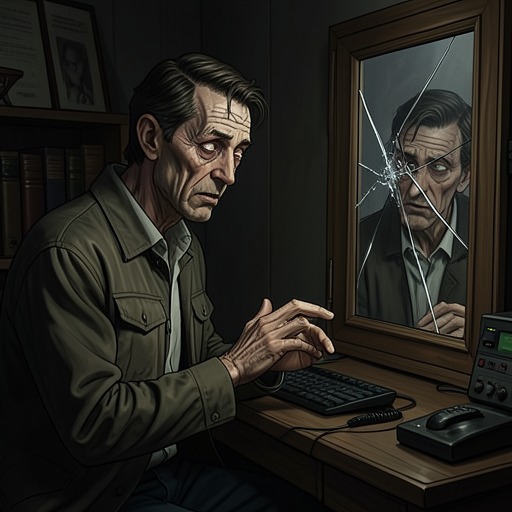
After Ever HappyHardin's recovery is a non-linear effort to live with pain without letting addiction, self-pity, and destructive choices dictate his behavior. The book traces that effort through relapse, therapy, recurring nightmares, and writing: progress does not erase what he has done, but it gives him ways to face it and to imagine acting differently. Tessa is a powerful source of motivation, while the work of recovery increasingly depends on Hardin's own willingness to speak, reflect, and accept responsibility.
Early Drinking and Relapse
Early in the story, Hardin orders a Jack and Coke, then changes the order to a double. His bitter thought that he might have shared a father-son drink with Vance turns the drink into more than a casual choice: it sits beside his confusion and distress about the family relationships around him. The scene establishes alcohol as part of his immediate response to emotional upheaval.
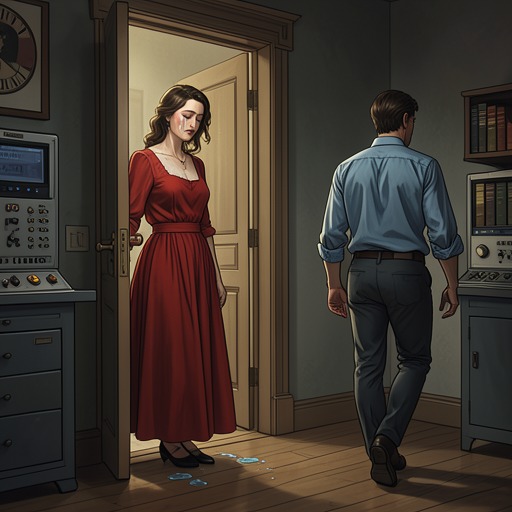
After Tessa leaves, his reliance on substances becomes more explicit. When Janine laughs about his having thrown Tessa out, Hardin threatens her and Mark, then admits to himself that he cannot imagine being sober if sobriety means continuing to feel the pain in his hollowed-out chest. He describes restlessness, nausea, impatience, and exhaustion, presenting the urge to drink not as an isolated excess but as an attempted escape from grief and emotional distress.
The pattern returns after Tessa discovers her father's body. While she is immersed in the shock of the death, Hardin's chapter shows him drinking and smoking again: the apartment is full, he is on his second drink and first joint, and he says that he would not touch either if being sober did not hurt so badly. The juxtaposition makes clear that the two characters are suffering distinct crises, while Hardin's chosen response remains familiar. His words frame relapse as an effort to numb pain, not as evidence that the pain has passed.
Therapy and the Work of Speaking
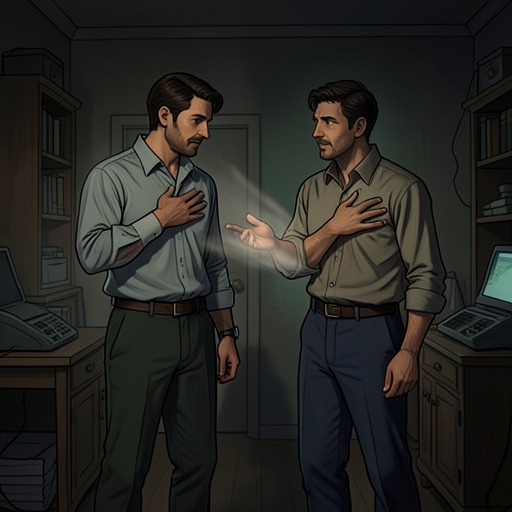
By the time of his graduation, Hardin has built some structure around recovery. He attends a weekly session with Dr. Tran and has met Luke there; Luke's girlfriend, Kaci, also becomes part of the small circle Hardin describes as friends. Hardin jokes that Dr. Tran is a scam artist whom he pays one hundred dollars an hour to hear him talk about Tessa, but he also acknowledges that talking through what is inside his head makes him feel better and that the therapist listens. The humor undercuts neither the cost nor the significance of having a regular place to speak.
He later brings a binder of writing to a group-therapy session. When the group discusses his account of burning his mother's house, Hardin hates having to talk about it, yet keeps speaking while imagining Tessa present and proud that he is sharing what he calls his darkest time. The moment preserves his discomfort rather than presenting disclosure as easy. At the same time, the binder makes the private act of writing available to other people, turning a solitary account into material that can be witnessed and discussed.
Hardin explains that the manuscript is an outlet and another form of therapy, a place to write what he feels without pretending his life is uncomplicated. He hopes readers who have made mistakes or endured painful experiences might recognize themselves in it, and says that his story could help someone learn from his and Tessa's mistakes. This is not a claim that writing cancels harm: he explicitly distinguishes acknowledging dark material from excusing his actions. The recovery represented here involves telling the truth about destructive behavior and accepting that others may judge it.
Nightmares and Ongoing Vulnerability
When Tessa and Hardin are together again after months apart, she wakes from a dream in which his voice is begging her to stop. She finds him distressed, and he explains that the nightmares come about once a week and that he now takes pills for them, although that night it was too late to take one. The recurrence gives his struggle a continuing presence even as the relationship resumes. Treatment and comfort help him manage the experience; neither makes the nightmares disappear from the story.
Tessa responds by comforting him despite their separation and the speed with which they have returned to physical closeness. Hardin apologizes for waking her and says he is fine, while her concern and his account of the weekly episodes show the gap between minimizing distress and naming it. The scene makes recovery relational without reducing it to Tessa's care: she offers comfort, but Hardin identifies the recurrence and the medication he uses to address it.
Changed Habits and the Limits of Progress
Later, when Tessa asks whether he still drinks, Hardin answers that he drinks a little, usually wine or light beer, but will never again chug a bottle of vodka. His answer marks a significant change in scale and intention, yet it is not a declaration of complete abstinence. The distinction matters: the narrative presents a changed relationship to alcohol, while leaving room for the fact that he still drinks.
Hardin also describes having seen doctors and going to the gym more. These details accompany his statement that he has not changed much, creating a contrast between his self-description and the concrete adjustments he reports. The story does not make those changes a guarantee against future pain or harmful behavior; instead, it treats them as parts of an ongoing attempt to live differently.
Tessa, Accountability, and Hope
At graduation, Hardin says that everything he has done since Tessa left has been aimed at becoming better for her and that he will always need her. This motive is both sustaining and precarious: his account makes Tessa central to his hope, even as his therapy and small circle of friends provide other forms of support. The narrative does not suggest that love alone cures addiction. Rather, his longing gives purpose to change while the recurring need to speak and reflect shows that the work cannot be completed by reunion alone.
By the final reunion represented here, Hardin describes Tessa as having remained with him beneath his addiction, self-pity, and poor choices, even after she left. He insists that life need not remain a battle and that there is always a way to make amends to people who have been hurt. The ending joins hope to accountability: he does not deny the damage, but believes that another day can create an opportunity to repair it. Recovery thus appears not as a clean break from the past, but as the difficult, repeated choice to face it without making the people he loves bear the cost of his self-destruction.