Infertility, pregnancy loss, and parenthood
After Ever HappyInfertility, pregnancy loss, and parenthood shape Tessa and Hardin Scott’s shared future as a sustained bodily and emotional reality, not simply a romantic obstacle. A warning about Tessa’s cervix gives their desire for children an uncertain medical context; a miscarriage makes that uncertainty devastatingly concrete. Their path then moves through renewed attempts, another pause, and the births of Emery and a second child they expect to name Auden, without erasing the losses that came before.
Medical concerns and the wish to become parents
Tessa first tells Kimberly that a doctor examined her cervix during a visit to obtain birth control. The doctor found it shorter than average and recommended further testing, while raising the possibility of infertility. Tessa’s embarrassment at disclosing the appointment gives way to a more consequential fear: the possibility that her body may limit a future she wants. The evidence establishes a concern and a need for more testing, not a definitive diagnosis at that point.
Kimberly responds by recounting an unnamed woman’s struggle to become pregnant. The woman and her husband tried fertility treatments and other approaches before she eventually conceived; Kimberly describes pregnancy as the woman’s happiest day, while Tessa senses that part of the story may be withheld or softened. The account offers a precedent for prolonged difficulty and eventual hope, but it does not settle what Tessa’s own medical future will be.
Later, Dr. West reviews Tessa’s examination images and describes her cervix as both very narrow and very short. He offers to show her what he sees; after ten minutes of explanation, Tessa is dressed and facing findings she says she had already anticipated. The distinction between the first warning and this later consultation matters: the initial appointment prompts further investigation, while the later examination makes the physical concern more definite. Even so, the passage presents a serious fertility concern rather than a guarantee that Tessa cannot become pregnant.
That fear surfaces plainly when Tessa holds her hands over her stomach and says she cannot. Hardin answers that they can. His response does not remove the medical uncertainty, and it cannot promise a particular outcome. It instead places the question between them: Tessa’s fear is individual and bodily, while Hardin frames the future as something they may face together.
Trying, waiting, and living beside other people’s joy
Two years later, Hardin narrates that they have been trying to conceive for more than a year. Both know the odds are against them, yet hope persists through fertility appointments and ovulation schedules. Their efforts range from sex and lovemaking to remedies Tessa has heard about from other people; Hardin drinks a bitter, chunky concoction she believes helped a friend’s husband. The details make the attempt to conceive a repetitive part of their ordinary life, organized around medical appointments and schedules as well as improvised rituals.
Their waiting unfolds alongside the anticipated arrival of Landon and his wife’s daughter. Tessa is the baby’s godmother, and she helps plan the baby shower and paint the nursery while Hardin wipes tears from her cheeks and tries to conceal his own sadness. Their participation in the preparations does not mean their private longing has disappeared. The contrast makes shared celebration difficult and tender at once: they can care for their friends and prepare a child’s room even while grieving the absence of a child of their own.
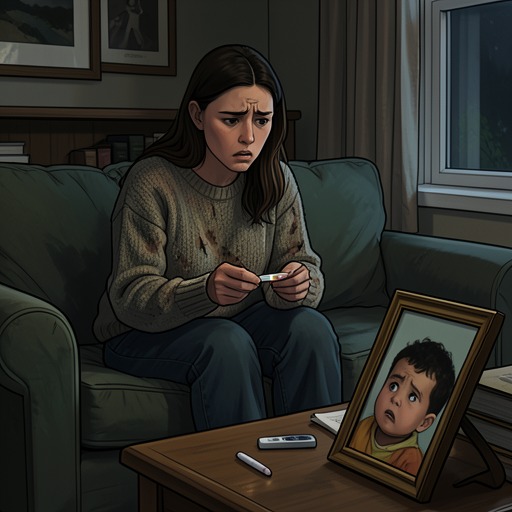
The next sign of pregnancy arrives in the form of a small test. Hardin has seen too many false tests over the previous year to assume what it means, but Tessa’s shaking hand and cracking voice tell him that this moment feels different. Their brief exchange of recognition gives way to tears, which Tessa wipes from his face. Hope appears first not as certainty but as a fragile signal both have learned to distrust.
Miscarriage and the empty nursery
The pregnancy does not continue. The tone of the doctor’s voice on the phone and the look in Tessa’s eyes confirm Hardin’s fear; he carries his fiancée to the car and drives her to the hospital. Thirty minutes after they arrive, they learn that Tessa has lost the baby. The clinical answer is delivered gently, but it does not lessen the force of the loss for either of them.
After the nurse leaves them alone, Tessa apologizes through her sobs. Hardin tells her she has nothing to be sorry for and repeats the reassurance, pushing her hair back as he tries to comfort her. At home, he tells her how much he loves her and how wonderful a mother she would be someday. These gestures respond to grief and guilt rather than explain the miscarriage or promise that it will not happen again.
Once Tessa is asleep, Hardin goes to the nursery closet. It is too early for them to know the baby’s sex, but he has collected small things there over the preceding three months, stored in bags and boxes. Among them are tiny yellow shoes Karen mailed them. He decides to dispose of the belongings and take apart the crib before Tessa wakes, wanting to spare her the sight. The removal is an act of protection, but it also makes the room’s absence visible: the objects had given their hoped-for child a place in the home, and now Hardin clears that place alone.
The next morning, Tessa finds Hardin on the floor of the emptied nursery and sits beside him. She does not question the removed furniture or the bare closet; her head rests on his shoulder as her fingers trace the ink on his arms. When a message arrives saying Addelyn Rose is coming, they understand that their friends are about to welcome their baby. They get up from the room that had been meant for their own child, put on smiles, and go to the hospital. Hardin promises that they will be parents one day as they travel to welcome their goddaughter. The promise gives them a future to hold onto, but the scene leaves the miscarriage present in the very act of turning toward another family’s birth.
Renewed hope and the birth of Emery
A year after the miscarriage, Tessa and Hardin have decided to take a break from trying to conceive. In winter, Tessa enters the kitchen dressed for the day, her hair in an elegant bun and a light pink lace dress. Hardin invites her onto his lap; their affectionate exchange makes the pregnancy test that follows part of an intimate domestic moment rather than a planned medical appointment. Tessa hands him a paper with a positive urine-test result.
Hardin’s first startled response is not a confident celebration. Tessa admits that she is afraid to become too excited, and he encourages them to be as excited as they want even though they do not know what will happen. Her reference to needing a miracle carries both humor and seriousness. The earlier loss has changed what a positive result means: it brings joy, but not the assumption that the pregnancy is secure.
Seven months later, they have a blond baby named Emery. The birth marks a decisive change in their lives, but it does not convert the earlier miscarriage into a mere detour or prove that persistence alone guarantees parenthood. The narrative places Emery’s arrival after medical concern, prolonged attempts, loss, and a break from trying, preserving the uncertainty that has accompanied their hopes.
A growing family and Tessa’s independent future
Six years later, Tessa is pregnant with a second child, a boy they plan to name Auden. She is working at the kitchen table in the couple’s new apartment, planning three weddings at once while heavily pregnant and tired. The first wedding is only a week away; her feet are swollen, and Hardin complains that she is working too hard, though he knows not to press the issue excessively.
This later scene places pregnancy alongside Tessa’s professional independence. She is earning a decent income and building her name in New York City’s competitive wedding-planning business, with inquiries filling her phone and email. Motherhood does not displace her work or reduce her identity to fertility: she is a pregnant parent-to-be and a business owner with her own developing career. Taken together, the medical warnings, the miscarriage, the birth of Emery, and the expected arrival of Auden make parenthood a changing reality—deeply desired, vulnerable to loss, and ultimately part of a family life that also includes Tessa’s work and ambitions.