
Hardin’s Nightmares
After We CollidedHardin’s recurring nightmares connect childhood trauma to his fear of helplessness and intensify when he imagines Tessa in danger.
increasing Bearing strength in each event
 decreasing
Bearing strength in each eventdecreasingThe Childhood Attack
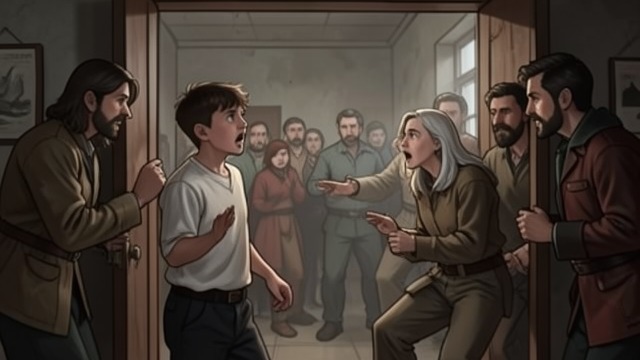
The Childhood Attack
A formative terror
As a boy, Hardin witnesses men attack his mother while his father is absent.
Helplessness becomes trauma
The memory shapes his nightmares, anger, and fear that he cannot protect the people he loves.
Nightmares Return
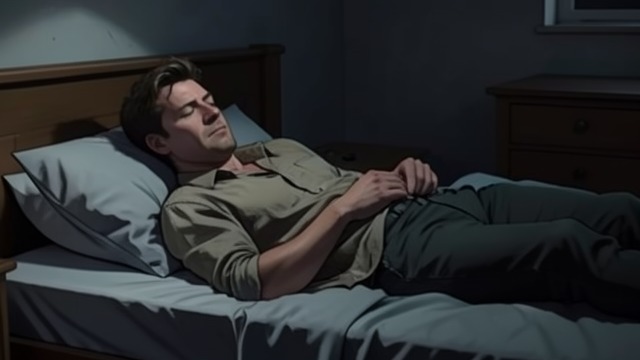
Nightmares Return
Sleep becomes unsafe
Hardin’s nightmares worsen after Tessa leaves, and he wakes in sweat and distress.
Tessa’s role in comfort
Her presence has helped him sleep, making separation feel physically as well as emotionally unbearable.
Tessa Replaces Trish
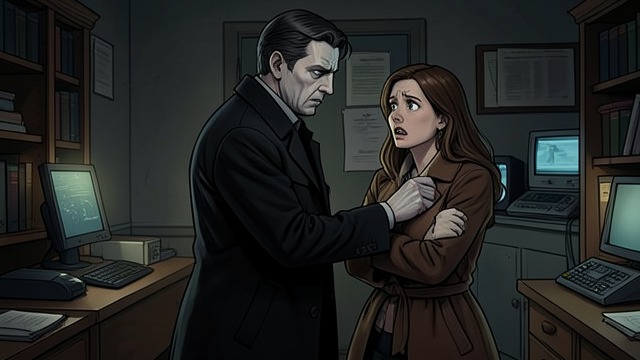
Tessa Replaces Trish
The nightmare changes
Hardin dreams that the men who attacked Trish are hurting Tessa instead.
Fear reveals attachment
The dream makes his fear of losing Tessa vivid, but it also shows how trauma turns love into a sense of impending danger.
A Difficult Disclosure
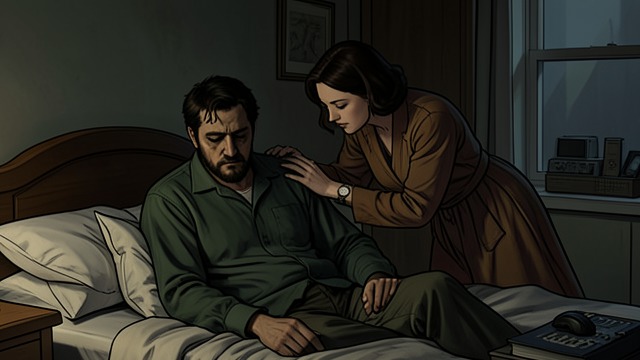
A Difficult Disclosure
Hardin tells Tessa
Hardin explains that his nightmares now involve her and admits he stayed awake to avoid seeing them again.
Trust through vulnerability
Sharing the fear gives Tessa a clearer understanding of him. It does not excuse his conduct, but it is a rare act of unguarded communication.
Comfort Returns
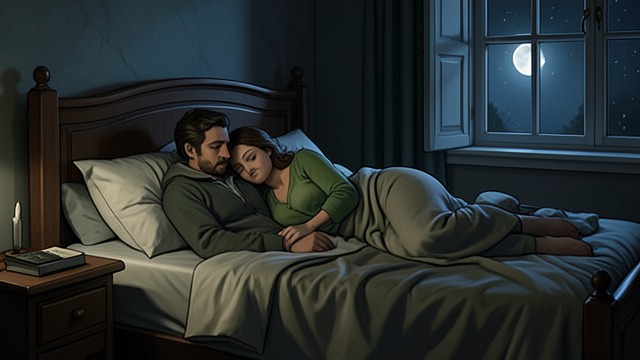
Comfort Returns
A night of sleep
Hardin sleeps beside Tessa after she invites him to stay, returning to a source of comfort he has missed.
Fragile relief
The rest helps them reconnect, but dependence on Tessa cannot be the only answer to trauma he has not yet addressed.
When Hardin was a child
After Tessa leaves the apartment
During Hardin’s days in England
The morning after Tessa stays at Ken and Karen’s house
After their renewed intimacy
