
Possessive Love and the Meaning of Safety
After We CollidedHardin’s desire to protect Tessa often crosses into threats and control, forcing the story to distinguish affection from safety and autonomy.
increasing Bearing strength in each event
 decreasing
Bearing strength in each eventdecreasingProtection at the Party
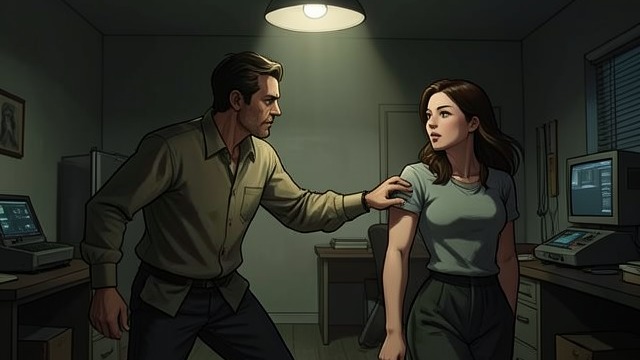
Protection at the Party
Jealousy disguised as defense
Hardin reacts whenever another man approaches Tessa, presenting his possessiveness as protection.
A troubling foundation
His concern can be sincere, but Tessa’s safety cannot depend on his permission or his ability to intimidate others.
The Bedroom Demand
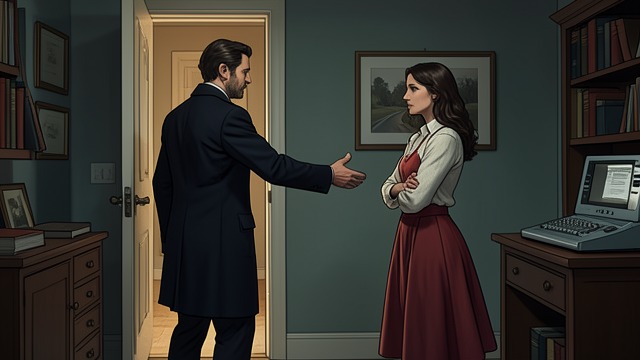
The Bedroom Demand
Hardin insists she leave
Hardin arrives at Zed’s apartment and tells Tessa to come with him, treating his desire as decisive.
Tessa negotiates under pressure
She chooses to leave because it is the fastest way to stop the confrontation, not because Hardin has earned authority over her.
The Fight in the Driveway
The Fight in the Driveway
Violence becomes physical danger
Hardin attacks Zed and accidentally knocks Tessa down when she tries to stop him.
Protection fails its test
Hardin apologizes, but Tessa has now experienced the physical risk of his uncontrolled anger, making assurances less convincing.
The Lab Assault
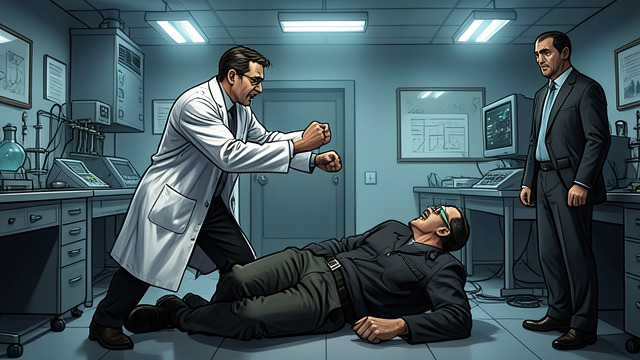
The Lab Assault
Jealousy overrides agreement
Hardin attacks Zed at WCU after hearing that Tessa kissed him and ignores the promise he made to her.
Possession harms everyone
He claims to defend their relationship, but the assault injures Zed and threatens Hardin’s education and freedom.
Tessa Sets a Boundary

Tessa Sets a Boundary
Care does not excuse conduct
Tessa asks Zed not to press charges but still confronts Hardin about breaking his word.
Autonomy remains central
She wants Hardin safe, yet she refuses to pretend his violence is acceptable or to let him dictate every relationship in her life.
During Tessa’s first visits to Hardin’s social circle
After Hardin finds Tessa at Zed’s apartment
After the Vance engagement party
After Tessa’s voicemail is played
After Hardin is detained
