
Marriage, Commitment, and Fear
After We CollidedTessa and Hardin’s disagreement about marriage reveals different meanings of security, freedom, and lifelong commitment.
increasing Bearing strength in each event
 decreasing
Bearing strength in each eventdecreasingTessa’s Expected Future

Tessa’s Expected Future
A planned life
Tessa leaves home imagining a stable path through college, a career, and eventually a committed family life.
Hardin disrupts the plan
Her relationship with Hardin changes the future she expected, forcing her to decide which parts of that plan are truly hers.
Hardin Rejects Marriage
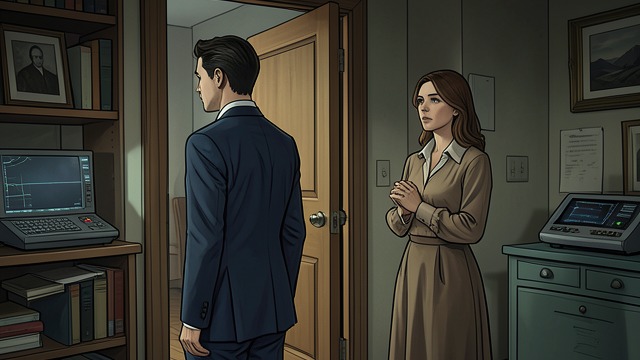
Hardin Rejects Marriage
A blunt answer
Hardin tells Smith that he never wants to marry or have a baby with Tessa.
Tessa hears finality
He means to reject the institution, but Tessa hears that he has not imagined a future with her at all.
Tessa Explains Security
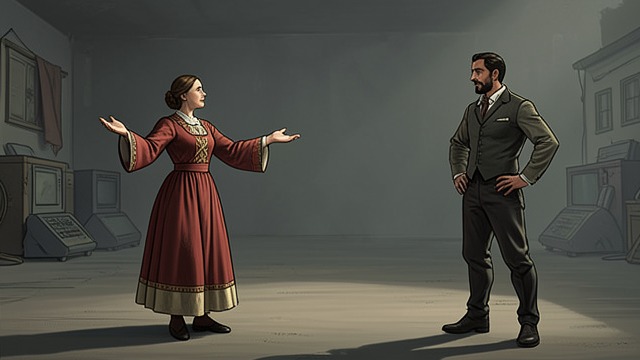
Tessa Explains Security
The real issue named
Tessa tells Hardin that she does not demand immediate marriage, but she does want him to take her future seriously.
A question of mutuality
She is asking for shared planning, not surrender. The distinction exposes how often Hardin mistakes her needs for an attempt to control him.
Natalie’s View

Natalie’s View
A different example
Natalie describes her engagement as an honored commitment to the person she wants beside her.
Hardin considers another model
Her words unsettle Hardin’s belief that marriage can only lead to disappointment, but he does not immediately promise Tessa the future she wants.
A Future Still Negotiated

A Future Still Negotiated
Seattle and England collide
Tessa’s opportunity in Seattle conflicts with Hardin’s wish to return to England.
Love cannot make the choice alone
Their relationship requires negotiation that neither has completed. The question of marriage is part of a larger issue: whether they can make room for two futures.
Before she begins college
During the babysitting visit
After the eleven-day separation
During Hardin’s return from England
Near the ending
