
The Meaning of Forgiveness
After We CollidedTessa and Hardin repeatedly treat forgiveness as a new beginning, but the novel tests whether forgiveness without changed behavior can sustain love.
increasing Bearing strength in each event
 decreasing
Bearing strength in each eventdecreasingThe First Betrayal
The First Betrayal
Forgiveness becomes impossible
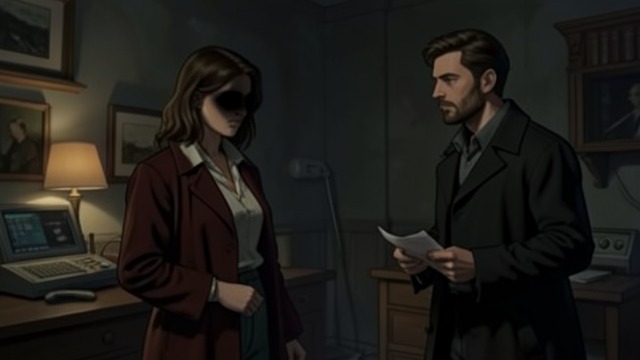
Tessa learns that Hardin’s pursuit began as a wager and that friends knew what she did not.
A moral boundary
She leaves because affection cannot make the original humiliation harmless. Her refusal establishes forgiveness as something she must choose, not owe.
A Return Before Repair
A Return Before Repair
Love draws Tessa back
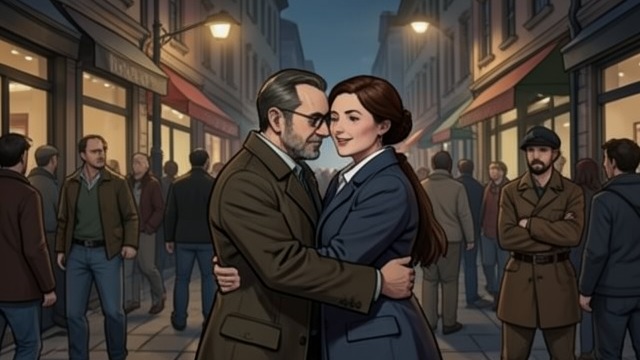
Tessa and Hardin reunite before every fact about his past has been discussed.
Forgiveness remains partial
Their intimacy offers comfort, but renewed closeness cannot substitute for disclosure. Each return risks confusing desire with actual repair.
The Confession Letter
The Confession Letter
A fuller account
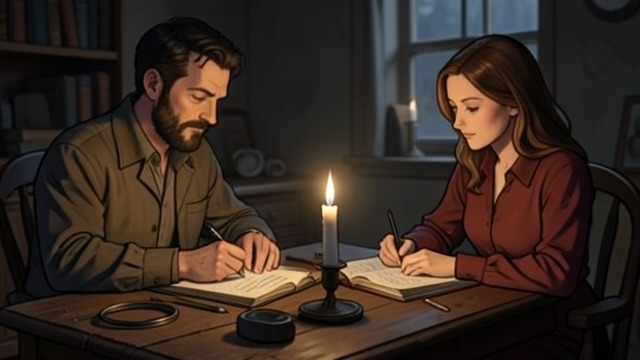
Hardin writes about his past, his cruelty, and the way Tessa changed how he understands himself.
Forgiveness with knowledge
Tessa reads the letter and decides to stay, now knowing more than before. Her decision is compassionate but does not guarantee his future conduct.
The Repeated Betrayal
The Repeated Betrayal
Old habits return
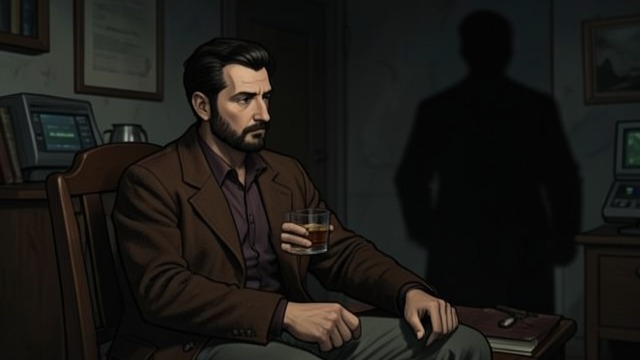
Hardin leaves, drinks, withholds information, and later attacks Zed despite promising Tessa he would not.
Forgiveness is tested
Each breach makes Tessa ask whether love is enough. The repeated pattern shifts forgiveness from a romantic gesture into a question of self-protection.
No Simple Resolution
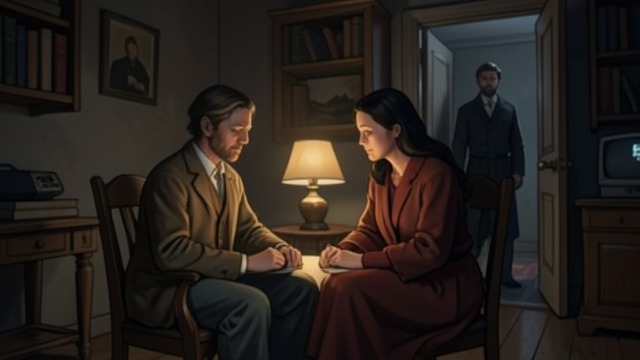
No Simple Resolution
Love persists
Tessa and Hardin return to intimacy after conflict, but their major disagreements about trust, anger, and Seattle remain.
An unfinished lesson
The story resists a single apology as a cure. Forgiveness can open a door, but change must be sustained after the emotional reunion ends.
When Tessa learns about the bet
Around Christmas Eve
Christmas Eve
During the January separations
Near the end of the book
