
Hardin’s Fear of Commitment
After We CollidedHardin’s fear of abandonment shapes his resistance to marriage, his attempts to control Tessa, and his difficulty imagining a future built on mutual choice.
increasing Bearing strength in each event
 decreasing
Bearing strength in each eventdecreasingA Childhood Model
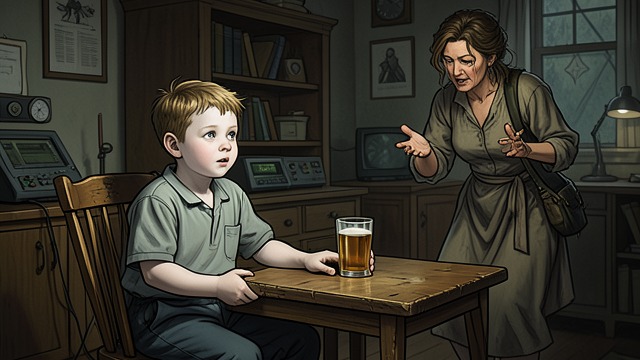
A Childhood Model
Marriage as damage
Hardin grows up amid Ken’s drinking, conflict, and departure, forming a bitter view of marriage and permanence.
Fear disguised as certainty
His claim that lasting commitment is foolish protects him from hoping for a bond he assumes will fail.
The First Denial
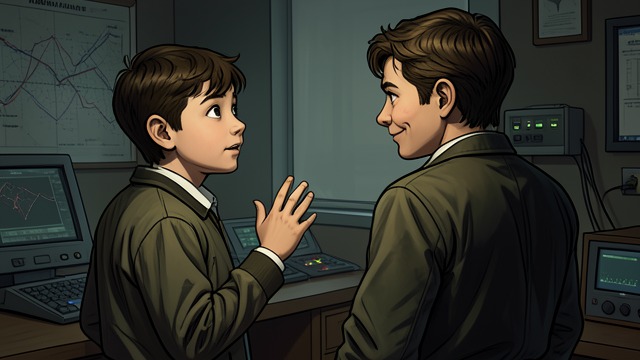
The First Denial
A child’s question
When Smith asks whether Hardin wants to marry Tessa, Hardin says no, then insists he never will.
The cost of bluntness
Tessa hears the answer as a closed future, exposing a gap between Hardin’s declarations of love and his refusal to discuss her hopes.
Tessa Names Her Need
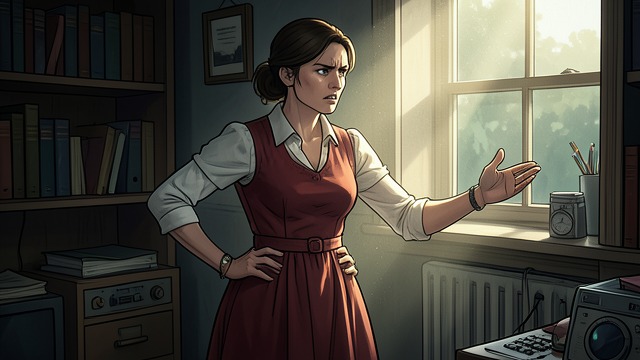
Tessa Names Her Need
Security and agency
Tessa explains that marriage matters not as an immediate demand but as part of the security and future she wants.
A missed conversation
Hardin has not listened carefully enough to understand that the issue is mutual planning, not pressure to marry at once.
Natalie’s Example

Natalie’s Example
A changed perspective
Hardin sees Natalie engaged and happy, and hears her describe marriage as an honored commitment.
A comparison with Tessa
The encounter challenges his assumption that commitment is always a trap, though it does not instantly change his own position.
England as Escape
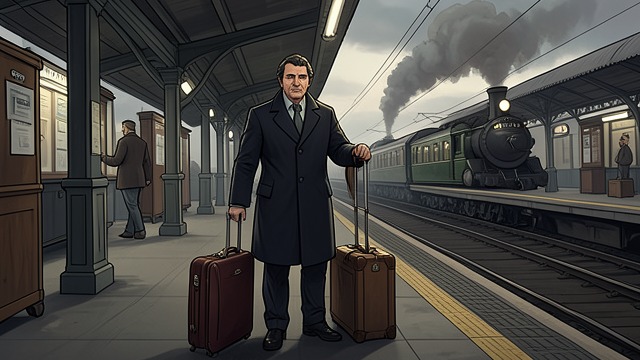
England as Escape
A unilateral solution
Hardin asks Tessa to return to England with him, partly because he fears she will leave if they remain apart.
Love versus control
His need for reassurance becomes a demand that she reshape her life around his fear. Tessa recognizes that love cannot make this choice for her.
Before Tessa enters Hardin’s life
During the first week of Christmas break
After Hardin returns from England
During Hardin’s return to the relationship
After the campus arrest
