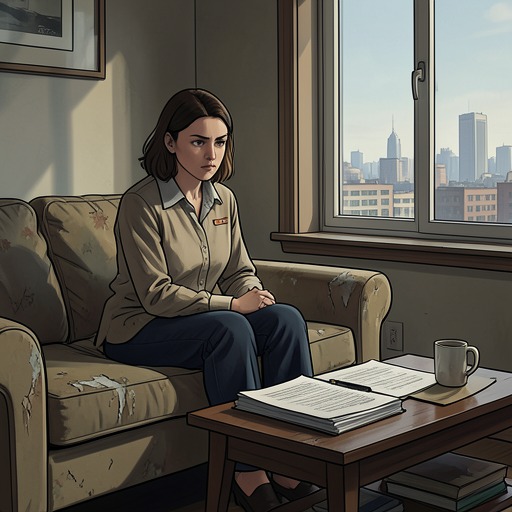
Ken and Karen’s house
After We CollidedKen and Karen’s house is both a welcoming family home and the setting for a Christmas reunion that exposes how little has been resolved between Hardin and Ken. The visit brings Hardin’s mother, Trish, into the home for the first time in years, with Tessa and Landon present as witnesses and would-be bridges. Karen’s careful hospitality creates a momentary possibility of warmth; the argument that follows turns the house into the scene of renewed family violence.
Setting and Arrival
The home makes an impression before anyone crosses its threshold. At the curb, Trish is startled by its size, larger than she had understood from Hardin’s description. Hardin opens the car door for her, then walks up the steps and enters without ringing the bell. His ease at the doorway contrasts with the apprehension on his face: this is his father’s house, but returning there is emotionally difficult. Tessa takes his hand as they approach, and his small smile registers her effort to steady him.
Inside, the house’s rooms shape the encounter. Karen waits in the living room to welcome the visitors, while the family later moves into the dining room for Christmas dinner. The progression from entrance to reception to shared meal gives the visit the outward form of a family gathering, even as the people assembled bring years of strain with them. Ken’s unexpected appearance intensifies that strain: he stops short when he sees Trish, his former wife, and the two greet one another after their long separation.
Hospitality and Reunion
Karen tries to make the meeting hospitable rather than ceremonial. She introduces herself to Trish, thanks her for coming, and offers an apparently calm welcome, although Tessa recognizes that the calm conceals anxiety. Landon’s charm eases some of the tension, and Karen announces that the goose is nearly ready. For a brief stretch, the household’s ordinary rituals seem capable of carrying the reunion forward.
The dining table makes that effort visible in detail. Karen has set out the family’s best china, polished silverware, and wooden napkin rings. The goose is arranged with orange slices and red berries; roasted potatoes sit before Tessa, and garlic and rosemary scent the meal. Flowers and ornaments repeat the orange-and-berry colors in the centerpiece. This abundance is not merely a backdrop: it reflects Karen’s work to make the gathering feel welcoming, and it sharpens the contrast with the anger that soon overtakes the table.
Karen’s offer of red wine from the cellar brings the family’s history with alcohol into the room before the confrontation does. She flushes when she realizes the sensitivity of the offer, but Trish accepts. Ken’s later account makes clear why drinking is charged: he describes himself as having been a worthless drunk and says he left because he believed Trish and Hardin deserved better. The shared meal thus holds both hospitality and an unresolved history of addiction.
The Christmas Confrontation
The dinner begins to unravel when Hardin challenges his father, and Ken asserts his authority as host, saying that it is his home and he decides where the line is. Hardin rises at once. Tessa grabs his arm, releases her wineglass onto a side table, and tries again to restrain him, sensing that their tentative progress toward repairing the relationship is at risk. Ken asks whether Hardin thought they were moving past the past and reminds him that he attended the wedding. Hardin rejects the suggestion that the matter has been settled: to him, Ken has not taken responsibility and is acting as though nothing happened.
Their dispute becomes a direct clash over what Ken’s departure meant. Hardin says that Ken left the family with no money and no car. Ken counters that he sent money each month and offered Trish a car, which she refused. Trish adds that the money she received went not only toward Hardin’s tuition but also toward bills. That disclosure alters Hardin’s understanding of the support he had thought absent, but it does not dissolve his accusation: he insists that Ken left regardless, without even calling on his birthday. The argument exposes the difference between Ken’s account of having provided help and Hardin’s memory of being abandoned.
Ken connects his departure to a night that Hardin will not let him discuss. He acknowledges his past drinking and says he knew he had to leave after that night; Hardin responds that the event happened because of Ken. The exchange makes plain that the family’s estrangement rests on more than disagreement about money. Ken’s years of sobriety and Hardin’s continuing rage meet in a history neither can treat as closed. Trish reaches for her son’s shoulder, while Landon looks terrified and Karen cries, leaving Tessa to realize that someone must intervene.
Violence and the House’s Meaning
Trish screams as Hardin lunges at Ken. Landon rushes to help, but Hardin pushes his father against the china cabinet and strikes him in the jaw. Ken turns them around before Hardin can hit him again; Hardin’s next punch goes through the cabinet’s glass door. The cabinet is a replacement for one Hardin had broken months earlier, so the damage repeats an earlier act of destruction inside the same family home. The room’s carefully prepared order cannot contain the conflict; the household object intended to hold china becomes part of the violence.
Tessa initially freezes, then grabs Hardin’s shirt when she sees blood. His arm jerks back and knocks her into a table, overturning a glass of red wine across her white cardigan. Karen covers her mouth and leaves the room crying. These consequences make the fight more than a private father-son dispute: it damages the home, frightens the family gathered there, and draws Tessa physically into the attempt to stop Hardin.
After the visit, Hardin considers calling Ken, though he hesitates over whether to apologize. Tessa encourages him to keep the fight from destroying the beginning of the relationship he had been forming with his father. Ken and Karen’s house therefore marks both the possibility and the limits of reconciliation. The Christmas gathering allows Hardin and Ken to face their shared past directly, but it also shows that a welcome, a meal, and an intention to move forward cannot by themselves repair it. The visit’s aftermath leaves open a smaller, more tentative possibility: that Hardin might choose to make contact again.