
Literature as Mirror
After We FellTessa and Hardin use novels and literary figures to describe their hopes, but the story tests those romantic ideals against the imperfect realities of their choices.
increasing Bearing strength in each event
 decreasing
Bearing strength in each eventdecreasingTessa’s Perfect Family Fantasy
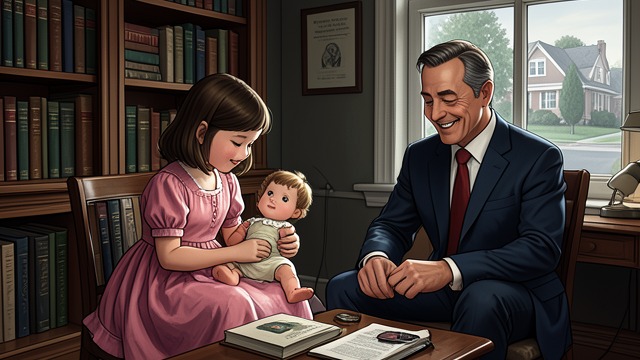
Tessa’s Perfect Family Fantasy
A childhood story imagined
Tessa projects an ideal family onto Barbie, imagining a loving father and a peaceful home. The fantasy contrasts with Richard’s drinking and her parents’ conflict.
Stories protect and expose
Imagination gives Tessa a refuge, but also reveals what she lacks. The novel opens by showing how romantic ideals can be both comfort and longing.
Darcy and Wickham
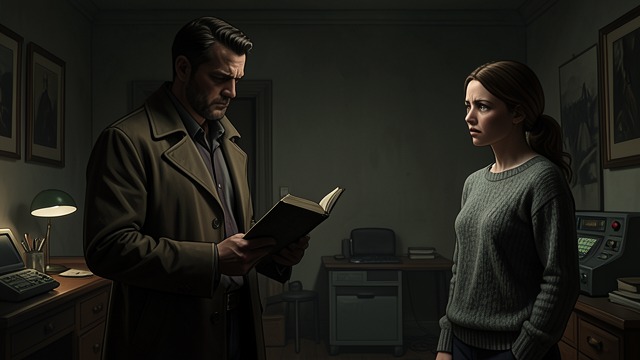
Darcy and Wickham
Literary comparisons
Hardin tells Tessa there are no Darcys, only Wickhams and Alec d’Urbervilles, attacking the ideals she associates with literature. His words reject the possibility that he can become a romantic hero.
Tessa refuses the lesson
She recognizes that literature is not a guarantee of happy endings, but does not accept that people cannot grow. Their argument turns reading into a language for debating hope.
The Journal as Self-Portrait
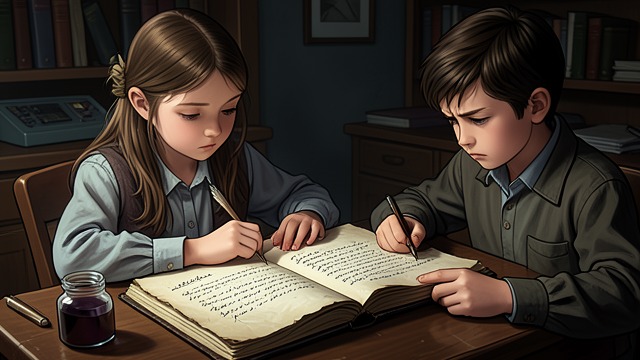
The Journal as Self-Portrait
Tessa writes privately
Hardin reads Tessa’s religion-class journal and finds entries about pain, faith, and her belief in him. Her writing shows the emotional cost of the relationship.
A view he cannot dismiss
The journal makes Hardin confront how much Tessa has endured and how strongly she has invested in his potential. It becomes both comfort and accusation.
A Literary Hero Reconsidered
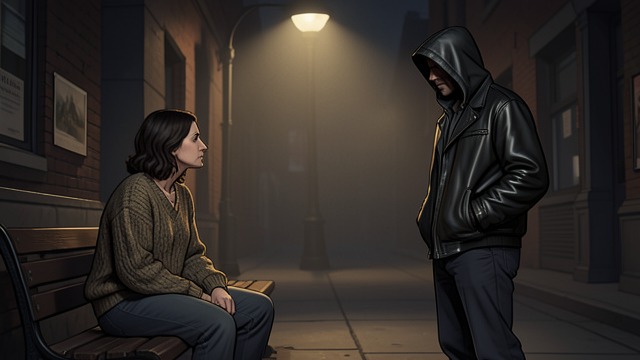
A Literary Hero Reconsidered
Faith in change
Tessa describes Hardin as a tormentor at times but also someone who helped her stop conforming to her mother’s expectations. She believes he can eventually find faith in himself.
Idealization has limits
Hardin is moved by her belief but remains aware that his actions repeatedly contradict it. The journal asks whether love can witness flaws without excusing them.
A Novel’s Ending Reframed
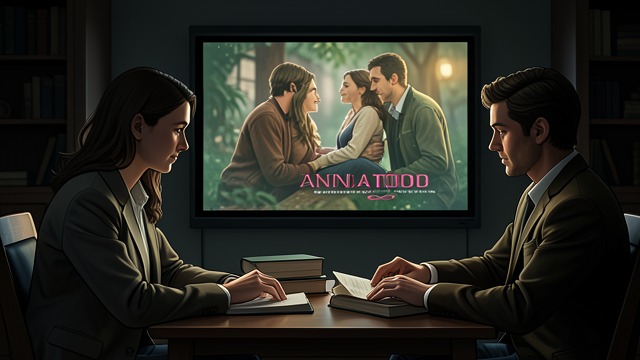
A Novel’s Ending Reframed
A story revisited
Tessa and Hardin watch familiar romantic films, while Hardin recalls their arguments over books and endings. Their shared references make a private language.
No guaranteed happy ending
Their affection does not promise a simple resolution. Like the books they discuss, their relationship must be judged by choices and consequences, not by the promise of a perfect ending.
During the prologue
During the Seattle conflict at the former apartment
During Hardin’s first days alone
After Hardin reads the journal
During the reunion at the former apartment
