
The Role of the Mothers
After We FellCarol, Trish, and Kimberly shape the younger characters’ understanding of love through contrasting examples of control, regret, devotion, and betrayal.
increasing Bearing strength in each event
 decreasing
Bearing strength in each eventdecreasingCarol’s Control
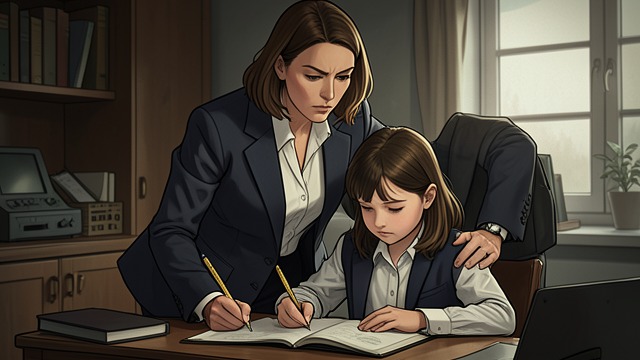
Carol’s Control
A model of perfection
Carol raises Tessa with strict expectations and a focus on order. Tessa learns to anticipate criticism and to seek approval by appearing responsible.
Love mixed with fear
Carol believes she is protecting her daughter, yet her control limits Tessa’s independence. The effect becomes visible when Tessa tries to make choices about school and relationships.
Trish’s Regret
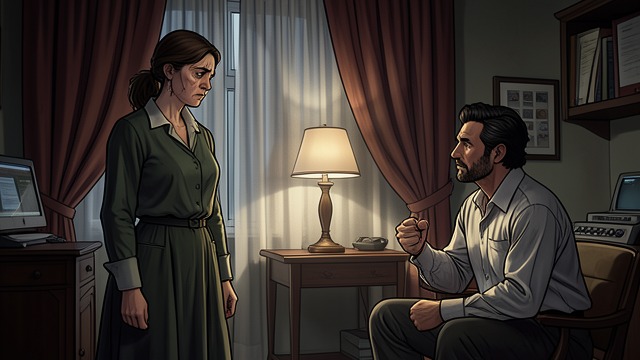
Trish’s Regret
A difficult history
Trish has raised Hardin through years of instability, and the affair with Christian reveals that she too has made painful choices. Hardin sees her actions as another betrayal.
A son’s anger
Hardin struggles to separate his mother’s present conduct from his childhood wounds. Their relationship is tested by a history neither has fully discussed.
Kimberly’s Devotion
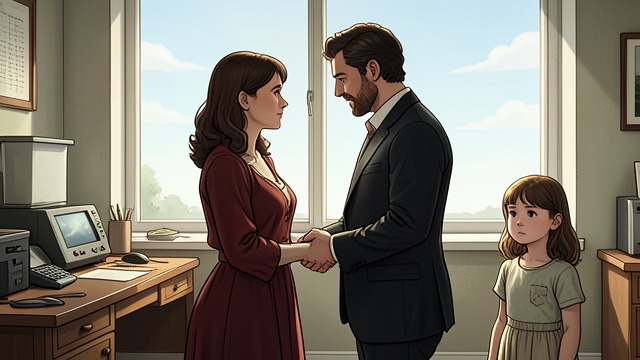
Kimberly’s Devotion
Love made visible
Kimberly and Christian show affection openly, and Tessa sees them as a model of a loving partnership. Their apparent warmth contrasts with Hardin’s skepticism about marriage.
A model destabilized
The discovery of Christian’s affair makes the public image of their love uncertain. Tessa must support Kimberly without assuming that visible affection guarantees honesty.
The Mothers’ Choices
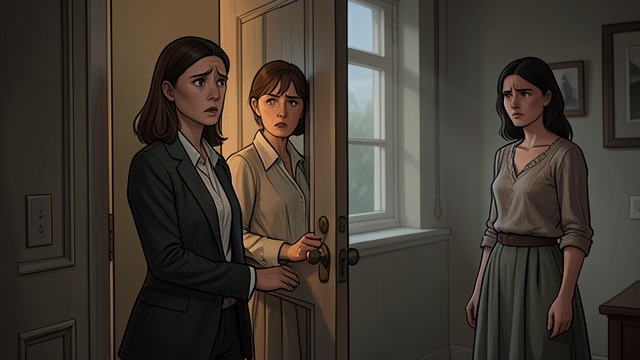
The Mothers’ Choices
Different forms of agency
Carol warns Tessa about losing herself, while Trish is caught between Mike and Christian. Neither woman offers a simple model of love.
Tessa’s task
Tessa must decide what to learn from their lives without becoming a copy of either. Their histories deepen the novel’s concern with whether people can interrupt inherited patterns.
A Future Not Yet Written
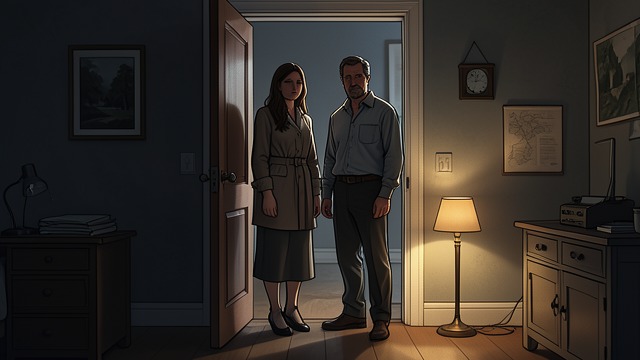
A Future Not Yet Written
No inherited ending
Tessa resists Carol’s belief that her relationship must reproduce her parents’ failure. Hardin, meanwhile, confronts his own fears after seeing another family betrayal.
Choice remains possible
The novel leaves the young couple amid unresolved questions rather than a settled future. Their parents’ histories influence them, but do not dictate what they will choose.
During Tessa’s childhood
During Hardin’s return to Hampstead
Before Christian’s affair is exposed
During the Hampstead wedding weekend
At the novel’s ending
