
The American Command Debate
AfterburnThis flow traces the conflict between civilian political goals and military concerns over placing American forces under United Nations operational control.
increasing Bearing strength in each event
 decreasing
Bearing strength in each eventdecreasingA Proposal Gains Support
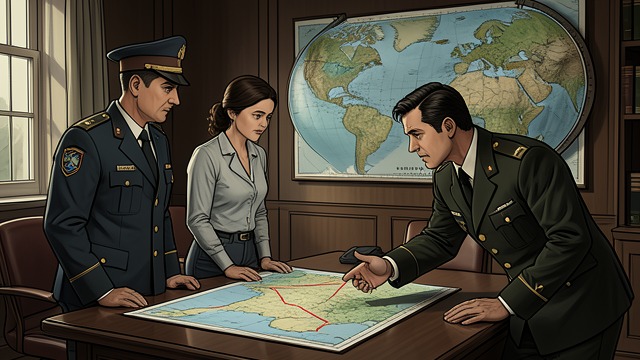
A Proposal Gains Support
The case for a stronger UN
Robert Heideman and Samantha Reed argue that a UN-controlled operation could make peacekeeping more credible and prevent wider violence in Crimea. They see the transfer as an opportunity to give the organization real authority.
Military objections
Brandon Scott argues that American forces should not be placed under foreign command. Thomas Magruder worries that the plan confuses a political symbol with a workable military arrangement.
The Command Is Transferred
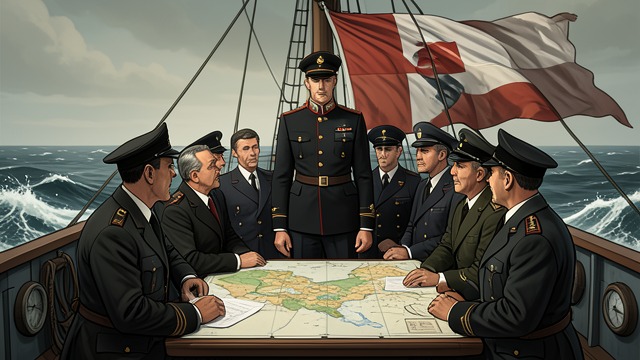
The Command Is Transferred
Orders arrive
The carrier group learns that operational authority in the Crimean zone belongs to a UN envoy. Admiral Tarrant tells officers to obey the order and treat UN personnel with respect despite their objections.
The disagreement moves to sea
The policy question now governs daily operations. Officers must interpret a foreign-led mission while still protecting American ships, aircraft, and service members.
The Friendly-Fire Argument
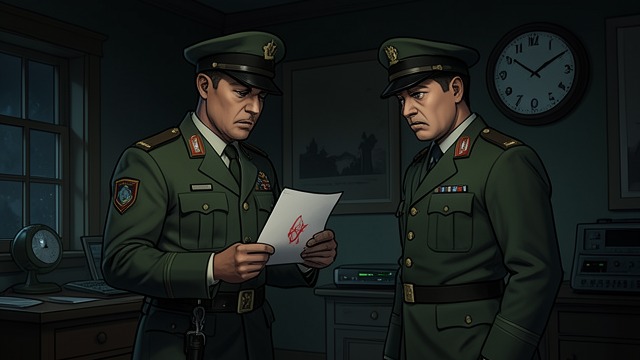
The Friendly-Fire Argument
One command is proposed
Reed uses the mistaken shootdown in Georgia as evidence that fragmented command and communications create preventable errors. She argues that unified authority could improve shared information.
The criticism is incomplete
The incident also exposes missing IFF codes and failures to inform the carrier of Army operations. The debate over command therefore involves real operational problems, but neither side can claim that organizational unity alone guarantees safety.
A Crisis Tests Authority
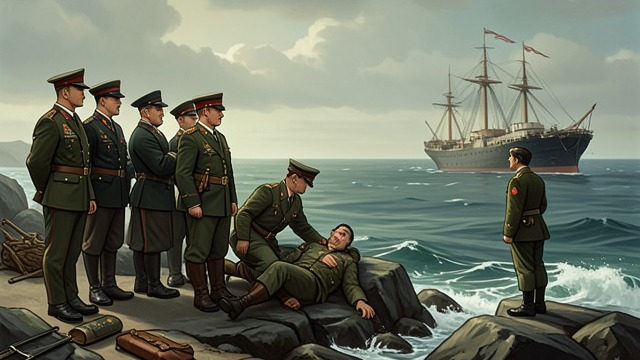
A Crisis Tests Authority
Political caution delays action
Washington hesitates to confront Dmitriev, while the carrier group and the wounded ashore need practical decisions. Commanders face a gap between local urgency and distant political deliberation.
Military leaders improvise
Brandt, Grant, and Magruder arrange defenses and rescue without waiting for every policy question to be settled. Their response illustrates how formal authority and operational responsibility can diverge in crisis.
The Principle Remains Contested
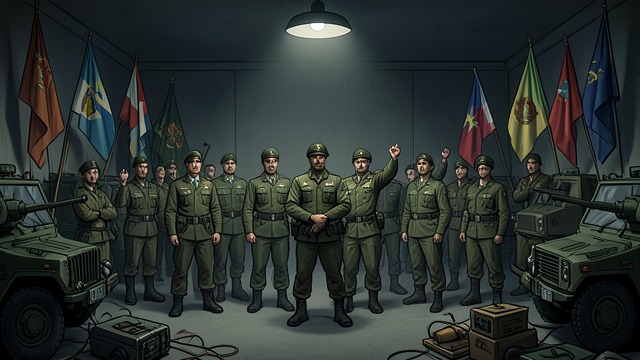
The Principle Remains Contested
No settled precedent
The operation demonstrates that United Nations authority can direct a multinational response, but also that the arrangement may be politically fragile and operationally confusing. The UN's declaration of protection does not prevent Ukraine from moving into Crimea.
The debate survives the battle
The American military accepts civilian orders, yet the costs of the decision remain visible in casualties, stranded personnel, and strained alliances. The question of international command is not resolved by the carrier's successful escape.
Monday, November 2, at The White House
Tuesday, November 3, during the carrier briefing
Monday, November 2, as officials review the Black Hawk incident
Thursday, November 5, as the Yalta party is stranded
At the close of the crisis
