
The Crimean Transfer Gambit
AfterburnThis flow follows the attempt to place Crimea under United Nations protection and how the proposed handover becomes the trigger for mutiny and war.
increasing Bearing strength in each event
 decreasing
Bearing strength in each eventdecreasingAn Offer to Surrender
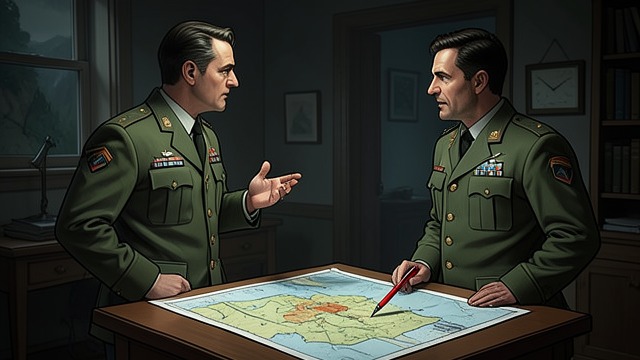
An Offer to Surrender
Boychenko sees the danger
Sergei Andreevich Boychenko tells Nikolai Sergeivich Dmitriev that Ukraine is preparing to take Crimea and that the region cannot withstand a determined attack. He proposes surrendering the district to the United Nations rather than letting it become a battlefield.
Protection at a price
The plan promises a peaceful transfer and the repatriation of Russian troops, but it threatens the authority of the Reds and the loyalty of the forces stationed there. Dmitriev immediately understands that accepting the proposal could be called treason.
Washington Debates Control
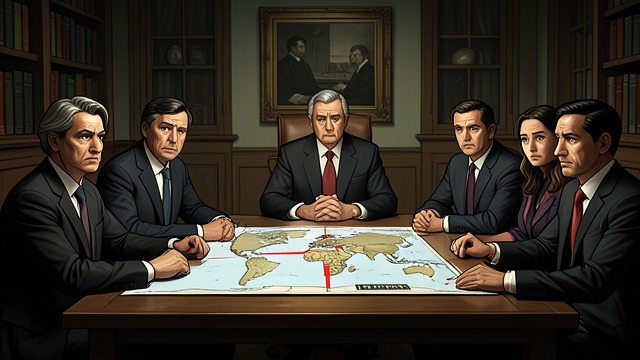
Washington Debates Control
An international precedent
Robert Heideman and Samantha Reed argue that a UN-led transfer could prevent bloodshed and strengthen international peacekeeping. Brandon Scott warns that placing American forces under foreign operational control endangers both sovereignty and service members.
A decision without consensus
Herb Waring recommends accepting the arrangement, and the administration moves toward it despite military objections. The decision binds the carrier group to a complicated mission without removing the conflict around it.
The Ceremony Begins
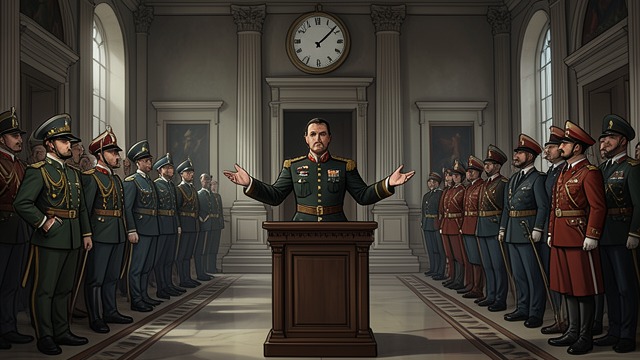
The Ceremony Begins
History as a stage
The transfer ceremony convenes at Livadia Palace, where the earlier Yalta conference made the site a symbol of great-power settlement. Boychenko's speech presents the handover as a route to peace, while foreign officials and reporters watch.
A fragile promise
The transfer has not yet become a durable political fact. Its success depends on the general's survival, the obedience of his own forces, and the willingness of outside powers to uphold their commitments.
The Handover Is Shattered
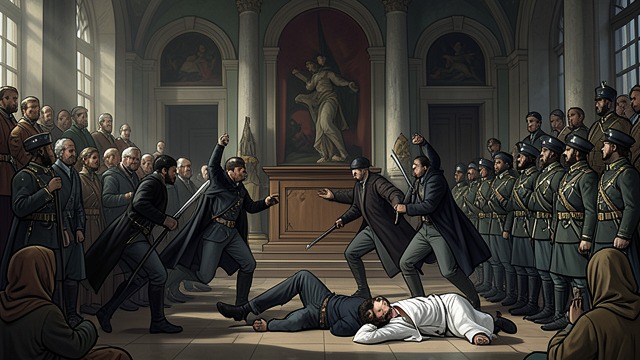
The Handover Is Shattered
Gunfire interrupts the stage
Assassins attack the gathering, killing and wounding officials while Matthew Magruder knocks Boychenko down behind the podium. The planned public transfer is interrupted by violence before its political meaning can be secured.
The general survives
The attack does not kill Boychenko, but it exposes how vulnerable the arrangement is to armed opponents. With the admiral wounded and the ceremony thrown into confusion, the transfer becomes a struggle for immediate survival.
The Promise Meets Reality
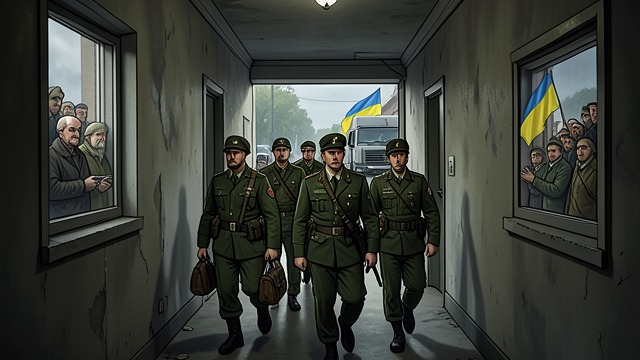
The Promise Meets Reality
Boychenko's forces withdraw
Boychenko's loyal troops retreat toward Kerch as Dmitriev's forces close in. The Americans help the general escape, but his men remain committed to a promise of returning home, not simply to a new international protector.
Protection proves limited
The United Nations declares Crimea protected, yet Ukrainian forces later land despite its protests. The handover neither prevents territorial conflict nor resolves the rival claims that made Crimea strategically valuable.
Friday, October 30, in Sevastopol
Monday, November 2, in The White House
Thursday, November 5, at the White Palace in Yalta
Thursday, November 5, during the ceremony
After the fighting around Yalta and Kerch
