
Aircrew Versus the No-Fly Zone
AfterburnThis flow follows how unclear information and restrictive rules turn air policing into a chain of dangerous judgments for the carrier's pilots.
increasing Bearing strength in each event
 decreasing
Bearing strength in each eventdecreasingAn Unusual Mission
An Unusual Mission
A zone without a clear front
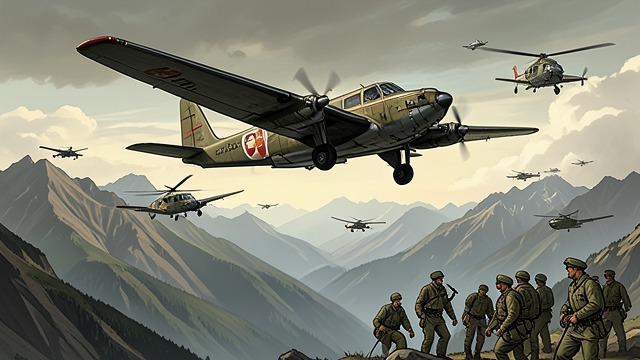
The carrier's air wing is assigned to police a Georgian no-fly zone while Russian factions, local forces, and international relief workers share the same airspace. Not every unidentified aircraft is necessarily an enemy.
Rules demand identification
The crews are expected to prevent violations but must establish a positive visual identification before acting. This standard is difficult to meet when low-flying aircraft disappear against mountains and time is short.
A Missing IFF Code
A Missing IFF Code
Friendly aircraft are unrecognized
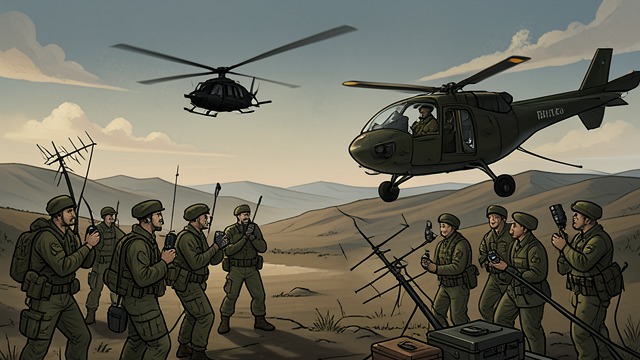
The Army Black Hawk supporting UN Flight 27 does not appear on the carrier's identification systems as friendly. The naval air crews have not received the full information needed to distinguish it from unknown aircraft.
Coordination fails
The helicopter, the UN team, the Army, and the Navy operate through disconnected channels. This gap turns routine air policing into a lethal puzzle for pilots who are expected to make decisions at speed.
A Contact Is Classified
A Contact Is Classified
Radar complicates vision
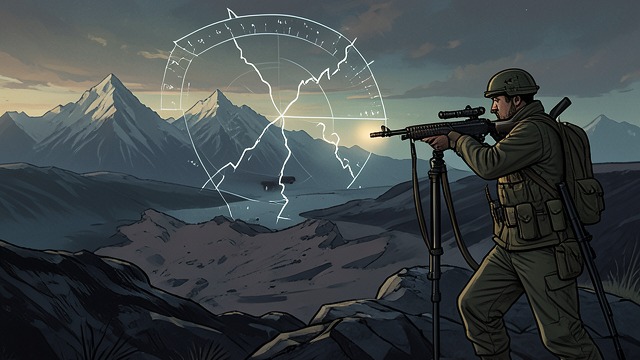
The Hawkeye tracks an aircraft near the UN flight, but the mountain terrain makes the radar return intermittent. A ZSU-23-4 paints the fighters, increasing the perceived danger of taking time for another pass.
Uncertainty becomes threat
Dixie reports a Hind, and Batman treats the possibility of an attack as urgent. The pilots' interpretation is shaped by incomplete identification, not by a complete picture of the scene.
The Shootdown Exposes the Gap
The Shootdown Exposes the Gap
Friendly fire occurs
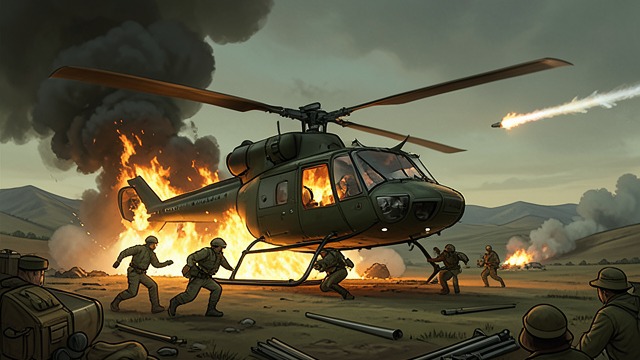
The Sidewinder damages the American Black Hawk, which crashes while its crew tries to save the aircraft. The crew survives, but the incident becomes public and threatens confidence in the mission.
The inquiry widens
Magruder identifies the aircraft-recognition error and the missing IFF coordination as central failures. His debrief makes clear that individual judgment mattered, but so did the system that supplied the judgment with incomplete information.
Rules Give Way to Combat
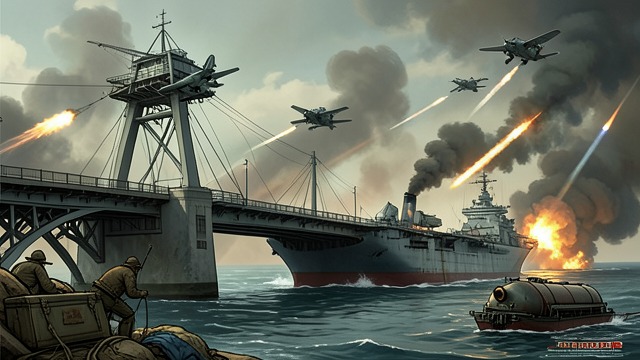
Rules Give Way to Combat
Hostile launches are confirmed
Russian aircraft attack the bridge, the tanker, and American aircraft. The pilots no longer need to decide whether the threat is merely an unidentified contact; weapons have been fired against them.
The burden changes
The carrier declares weapons free and the air wing responds. The earlier caution about misidentification remains relevant, but now delay carries the immediate risk of allowing further attacks.
Before October 31, in Georgia
Saturday, October 31, before the interception
Saturday, October 31, around 0929
Saturday, October 31, at 0930
Thursday, November 5, during the attacks on the straits
