
Accident, Responsibility, and the Fog of War
AfterburnThis flow examines how people make consequential decisions with incomplete information and how institutions interpret responsibility after friendly and mistaken attacks.
increasing Bearing strength in each event
 decreasing
Bearing strength in each eventdecreasingAn Operational Picture Frays
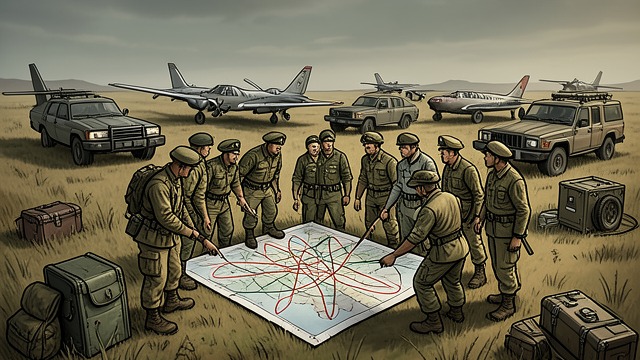
An Operational Picture Frays
Many organizations share the airspace
The Georgia mission involves naval aviators, Army helicopters, Marines, UN staff, and local forces. Information moves between these groups through imperfect channels and different command structures.
Complexity has consequences
The mission's high-tech systems can detect targets, but they cannot automatically supply the full context of every flight. A common operating picture is only as reliable as the information passed into it.
A Threat Is Inferred
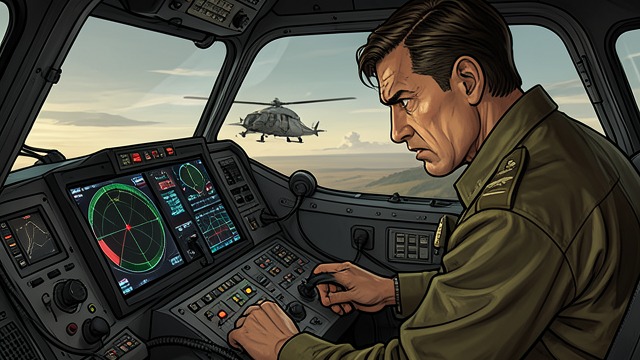
A Threat Is Inferred
Evidence arrives in fragments
Radar detects a low contact, a Shilka locks the fighters, and Dixie sees the helicopter briefly from behind. Each observation is real, but none alone establishes that the aircraft is hostile.
Pressure rewards speed
The crews fear antiaircraft fire and believe the UN flight may be under attack. Under these pressures, a plausible interpretation hardens into a conclusion before confirmation arrives.
The Russian Decoy Is Misread
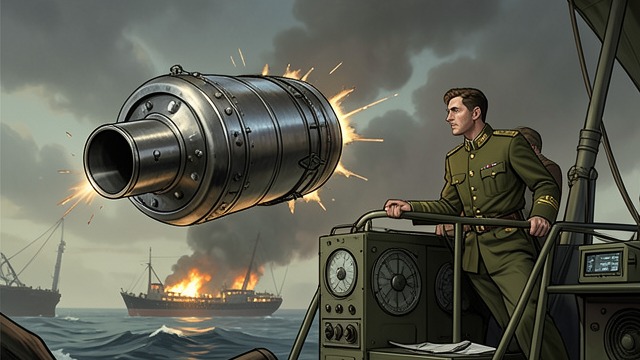
The Russian Decoy Is Misread
Sound resembles a launch
The Kislovodsk releases a decoy intended to confuse the Americans, but its sound resembles a weapon launch. Peter Lang must decide whether he can wait for more evidence without exposing the carrier to a torpedo.
A defensive choice kills
The American submarine fires, and the Russian vessel is destroyed. The crew's rescue expresses a later recognition that the initial judgment may have been mistaken, but it cannot restore those who died.
The Debrief Distributes Blame
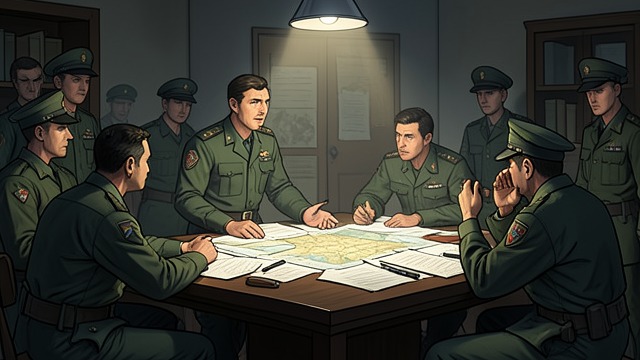
The Debrief Distributes Blame
Individual judgment is examined
Magruder asks what Mason and Wayne saw and why they acted. He distinguishes a pilot's identification error from the command decision to fire on it.
Systems also failed
The missing IFF data and lack of coordination between services shaped the encounter. The inquiry resists the comforting idea that punishing one person would by itself prevent a similar accident.
Accidents Become Political Claims
Accidents Become Political Claims
Dmitriev invokes mistakes
Dmitriev calls the attacks on the tanker and helicopter accidents and compares them to the earlier incidents involving American forces. His language attempts to reduce the political meaning of military action.
Intent is contested
American officials see a pattern of deliberate pressure, while Dmitriev claims defensive necessity. The story leaves the fog of war intertwined with propaganda: uncertainty can be genuine and politically useful at the same time.
Before the Georgia helicopter encounter
Saturday, October 31, as the Tomcats approach the canyon
Friday, October 30, during the submarine engagement
Saturday, October 31, at the CAG investigation
Friday, November 6, as Washington reviews Dmitriev's message
