
Crimea's Competing Identities
AfterburnThis flow traces the historical and political layers that make Crimea a contested home, military prize, and object of international protection.
increasing Bearing strength in each event
 decreasing
Bearing strength in each eventdecreasingGeography and Administration
Geography and Administration
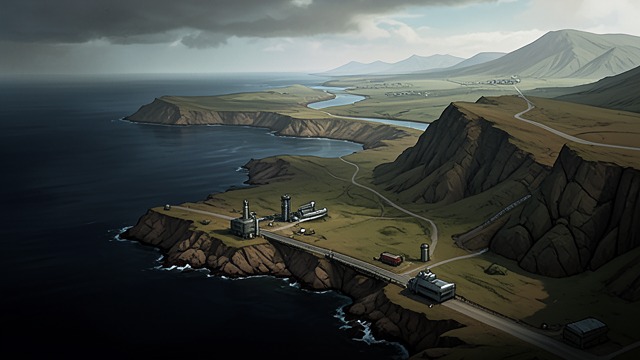
A peninsula between powers
Crimea extends from Ukraine into the Black Sea, while its eastern shore faces Russia across the Kerch Strait. Geography links it to Ukraine even as its ports and naval bases have long attracted Russian strategic attention.
Borders do not settle belonging
The difference between geographic attachment and military control creates a durable ambiguity. The story's later crisis grows from a place whose map, population, and security align in different ways.
A Transfer Becomes Contentious
A Transfer Becomes Contentious
A symbolic decision
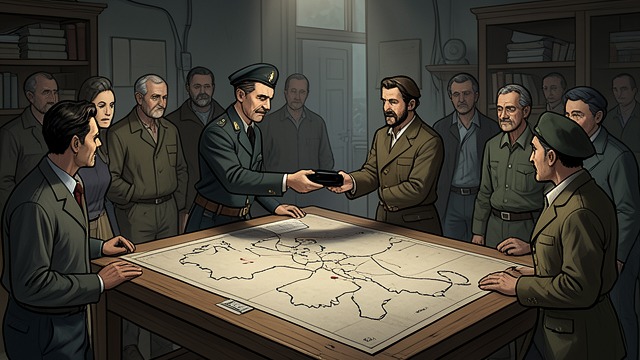
Nikita Khrushchev's transfer of Crimea to Ukraine is recalled as a gesture made within the Soviet system. As long as the Union remained intact, the change carried less practical significance.
A later dispute emerges
After the Soviet political structure weakens, the transfer becomes a basis for competing claims. An administrative act once treated as symbolic now affects sovereignty, military bases, and the future of the Black Sea Fleet.
The Fleet Makes the Peninsula Strategic
The Fleet Makes the Peninsula Strategic
Sevastopol commands attention
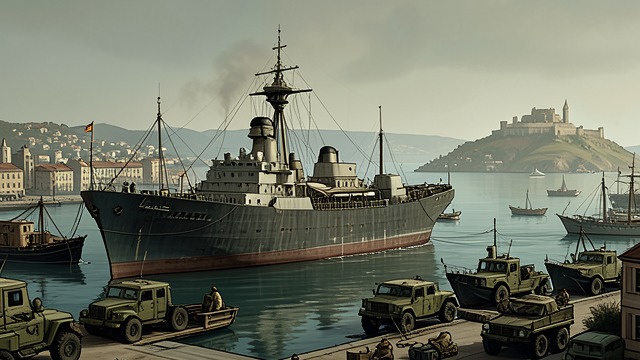
Sevastopol and its surrounding bases give Crimea exceptional military importance. The remnants of the Russian Black Sea Fleet and the carrier Pobedonosnyy Rodina make control of the peninsula valuable beyond its territory.
Ukraine seeks more than land
Ukrainian ambitions include control of bases, ships, and military equipment. The peninsula's status therefore cannot be separated from the regional balance of naval power.
People Carry the Dispute
People Carry the Dispute
Residents face rival claims
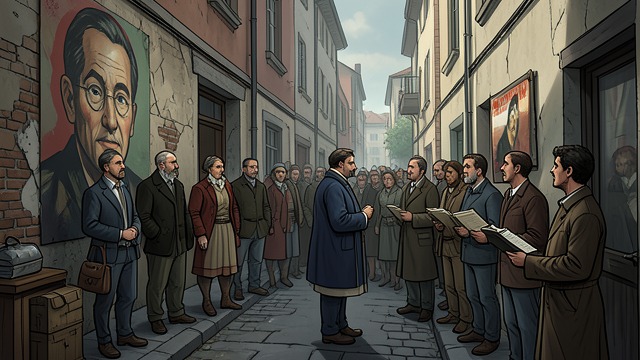
Crimea's Russian, Ukrainian, and Tatar histories produce political identities that do not fit neatly within one state's claim. Residents may experience the dispute through security, family, language, and the memory of displacement.
Return does not equal resolution
The return of Crimean Tatars after forced exile creates demands for autonomy, but neither Russia nor Ukraine is prepared to relinquish the peninsula. The conflict's human histories deepen rather than simplify its political problem.
A Protected Zone Fails to Settle It
A Protected Zone Fails to Settle It
International authority claims a role
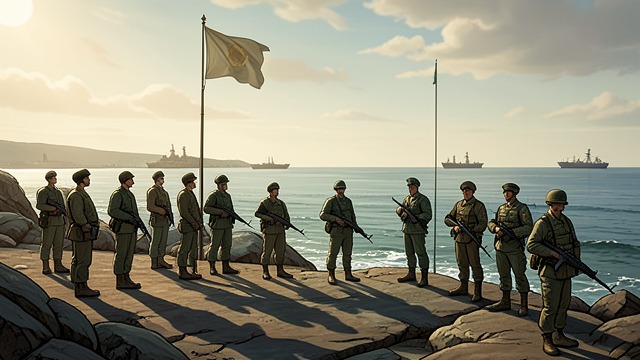
The UN declares Crimea protected after Boychenko's proposed transfer, but the claim does not prevent armed groups from fighting or Ukraine from landing troops.
Control remains contested
The American battle group's departure ends one phase of the crisis, not the historical dispute. Crimea remains valuable, claimed, and politically unsettled, illustrating the gap between formal status and control on the ground.
Before the Soviet-era transfer to Ukraine
In the 1950s, recalled during the opening chapters
Before the current Russian civil war
During Boychenko's proposed handover
By Sunday, November 15, after the carrier group's departure
