
Work, Love, and the Value of Farm Animals
All Creatures Great and SmallThis flow traces the shifting meaning of farm animals as both economic resources and beloved individual companions.
increasing Bearing strength in each event
 decreasing
Bearing strength in each eventdecreasingAnimals as Livelihood
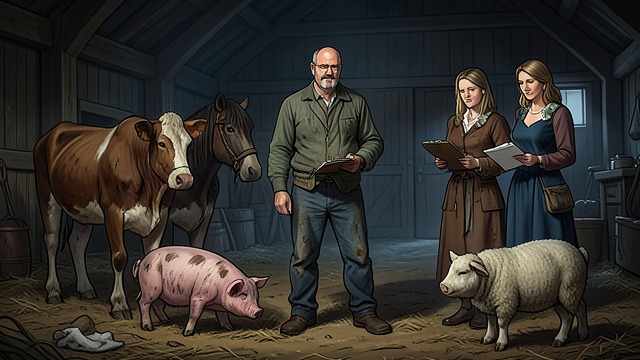
Animals as Livelihood
Economic Dependence
Farmers rely on cows, horses, pigs, and sheep for income and food. Veterinary treatment therefore carries financial consequences that shape owners’ decisions and their disputes over bills.
More Than Units
The same farmers often name particular animals, mourn their losses, or care for them long after their working lives end. Economic use and affection coexist rather than cancel one another.
A Cow’s Place in a Family
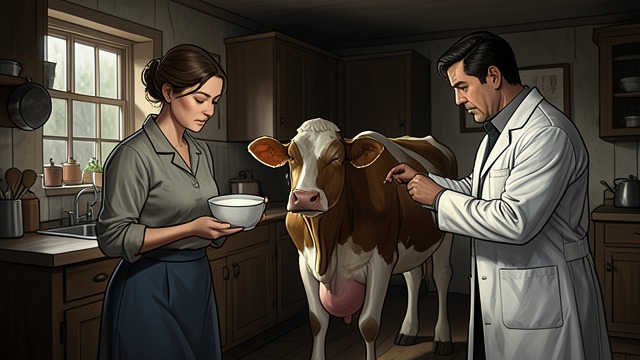
A Cow’s Place in a Family
Candy’s Importance
Candy supplies rich milk for the Alderson household and is also Mr. Alderson’s favorite animal. Her difficult calving matters to him as more than a matter of production.
A Shared Relief
When Herriot corrects the uterine torsion and delivers a heifer calf, the family’s relief is personal and immediate. The episode joins skilled labor to affection for a particular animal.
Retirement as Care
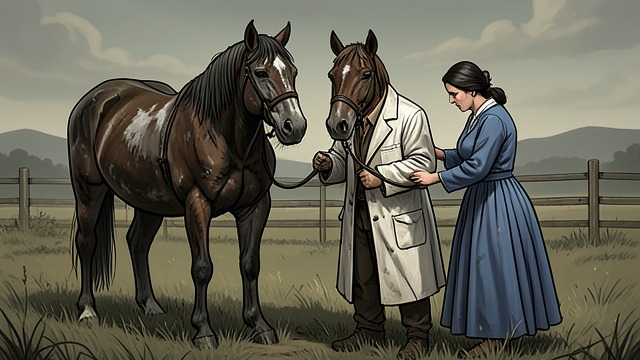
Retirement as Care
The Old Horses
John Skipton keeps two former working horses in comfort for years after their useful labor has ended. Their care costs time and resources but brings them a peaceful old age.
Beyond Profit
Herriot recognizes that the horses’ continued place in Skipton’s life is evidence of love. The story challenges the assumption that agricultural scale or commercial success determines emotional capacity.
During Herriot’s early practice
During Herriot’s courtship of Helen
During the visit to Dennaby Close
