Equine intestinal torsion
All Creatures Great and SmallEquine intestinal torsion, described in the case as a twisted bowel, is the life-threatening diagnosis behind James Herriot’s first independent decision to euthanize a horse. The episode traces how a severe, persistent illness, a focused examination and the limits of available treatment outweighed both the stableman’s confidence in a simple remedy and Soames’s objections. A post-mortem examination the following morning confirmed the torsion, establishing that Herriot’s difficult judgment had been correct.
Presentation and Initial Assessment
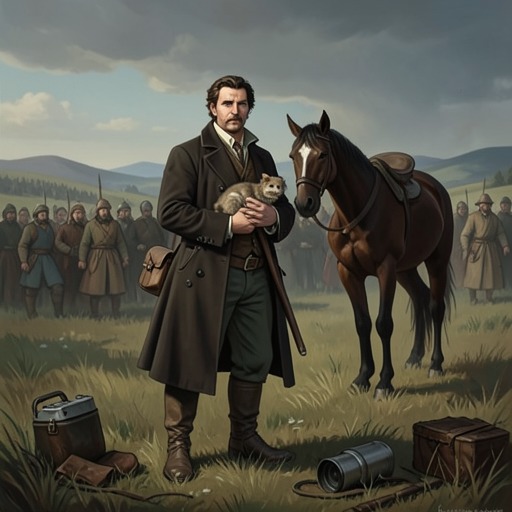
Lord Hulton’s horse had developed what Soames called belly ache earlier that day. Black draughts had been administered, but the horse had not passed anything, and the condition had not improved. By the time James Herriot entered the stable, the horse was in marked distress and repeatedly circling its box. Its condition made the case unlike ordinary colic, and Herriot told Soames that a black draught would not address what he suspected was wrong.
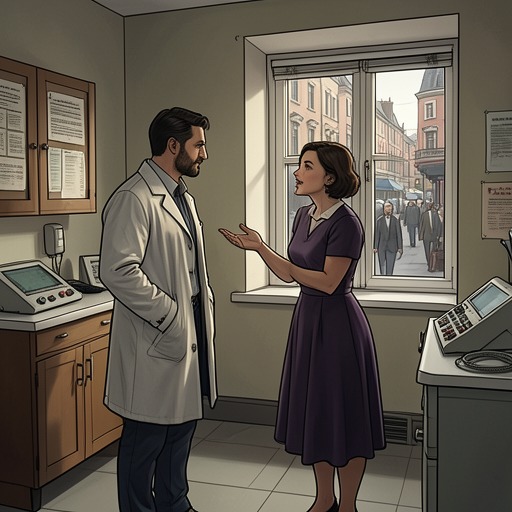
At first, torsion remained a serious possibility rather than a confirmed finding. Herriot explained that severe, continuous pain could indicate a twist in the bowel, but insisted that examination was needed before he could be certain. Soames rejected the suggestion and treated the problem as a minor digestive complaint requiring something to make the horse pass its contents. He asked whether Herriot had brought arecoline, a drug that stimulates intestinal muscle contractions. Herriot warned that, if the bowel was twisted, that treatment would be unsuitable and could intensify the horse’s distress. The difference between the two men was therefore not simply a dispute over which remedy to try: they understood the same continuing pain as evidence of very different conditions.
Examination and Diagnostic Judgment
After arranging for water, Herriot performed a rectal examination. He felt displacement of the small intestine on the left side and a tense, gas-distended mass where it should not have been. These findings strengthened the suspicion raised by the horse’s persistent pain and failure to pass anything. Herriot then concluded that the evidence pointed to torsion. The diagnosis was reached through the combination of the clinical course and a physical finding, not from the appearance of colic alone.
Even after Herriot stated his conclusion, Soames continued to press for action and questioned what could be done. Herriot’s answer was that the condition could not be cured and that the horse’s pain should be ended as quickly as possible. In the circumstances of this case, further attempts at medication would not resolve the twisted bowel. Herriot recommended immediate euthanasia rather than prolonging the horse’s suffering or waiting for another practitioner to arrive.
Euthanasia and Immediate Consequences
The decision carried a practical and professional cost. Soames objected on the grounds that the horse was valuable and argued that Siegfried Farnon might be able to treat it when he returned. Herriot himself briefly felt the appeal of handing responsibility to his employer and delaying the decision. But the horse’s continuing distress brought him back to the judgment he had already reached: waiting would extend the suffering without changing the likely outcome.
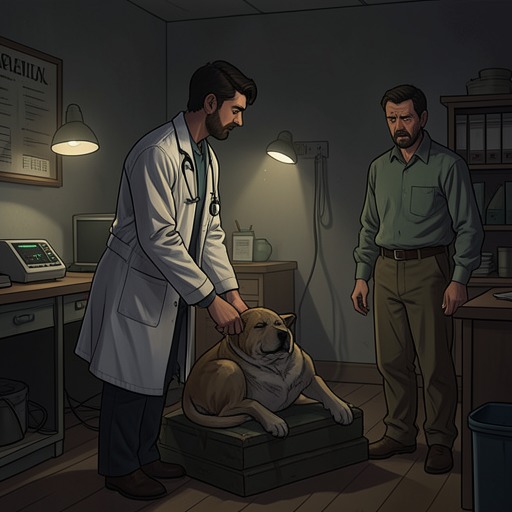
Herriot fetched the humane killer from his car, asked the stableman to steady the horse’s head and euthanized the animal. He then told Soames that Siegfried Farnon would perform a post-mortem in the morning, so that Lord Hulton could have the diagnosis confirmed. Soames left the encounter angry and threatened to report Herriot to both his employer and Lord Hulton, predicting that the post-mortem would prove him wrong and that he would sue. The threat made the uncertainty surrounding an independent decision explicit: Herriot had acted before confirmation, accepting responsibility for a choice that could be challenged by the horse’s owner’s representative.
Confirmation and Significance
The following morning, Siegfried Farnon reported that the post-mortem had revealed a classic torsion involving several loops of bowel. The findings confirmed the diagnosis and supported Herriot’s decision to euthanize the horse promptly. Siegfried also emphasized that the call for veterinary help had come too late, redirecting attention from Herriot’s final action to the delay that had allowed the crisis to advance. Soames had been present for the post-mortem and had tried to criticize the young veterinarian; Siegfried defended Herriot and pointed out the consequences of waiting to seek help.
The case presents torsion as a state in which diagnosis and treatment are inseparable from judgment under pressure. Herriot must act before certainty can be supplied by a post-mortem, yet the examination gives him evidence strong enough to distinguish a suspected twisted bowel from the simpler complaint Soames believes it to be. The later confirmation does not erase the difficulty of the choice; it shows why the choice could not safely be postponed. In the episode, competent veterinary care means recognizing when a proposed remedy is inappropriate and when ending an animal’s suffering is the only responsible course available.