
A Family’s Debate About Suicide
All My Puny SorrowsThis flow traces the family’s shifting argument over whether suicide is sin, illness, autonomy, or a response to unbearable suffering.
increasing Bearing strength in each event
 decreasing
Bearing strength in each eventdecreasingInherited Condemnation
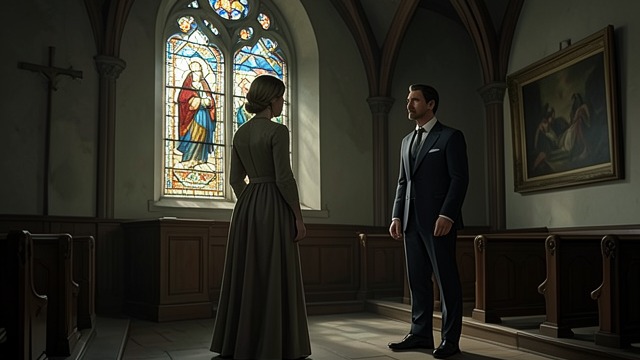
Religious Judgment
Community Beliefs
The Mennonite community treats suicide through religious and moral language, while the family has already experienced depression and silence at home. These frameworks do not easily explain the suffering they see.
A Daughter’s Unease
Yolandi grows up aware that religious condemnation may add shame rather than understanding. The inherited vocabulary will later shape her anger at people who judge Elfrieda’s wish to die.
The Mother Rejects Sin
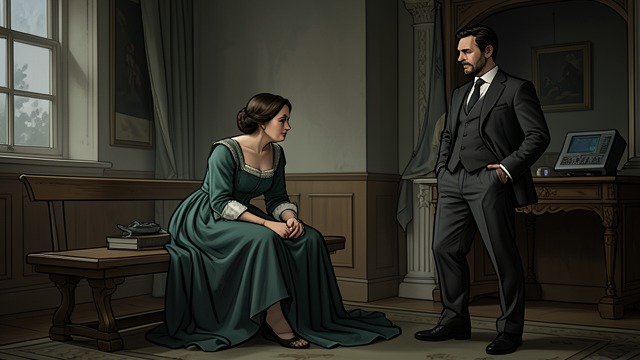
Forgiveness Is Not the Point
Lottie’s Response
When Yolandi asks whether Lottie will forgive Elfrieda, Lottie says her daughter does not need forgiveness because attempting suicide is not a sin. Her answer refuses a moral frame that would turn illness into wrongdoing.
A Family Divide
Yolandi notes that many people would disagree. The exchange shows that the family can share love without sharing a single religious explanation.
The Ethics of Assistance
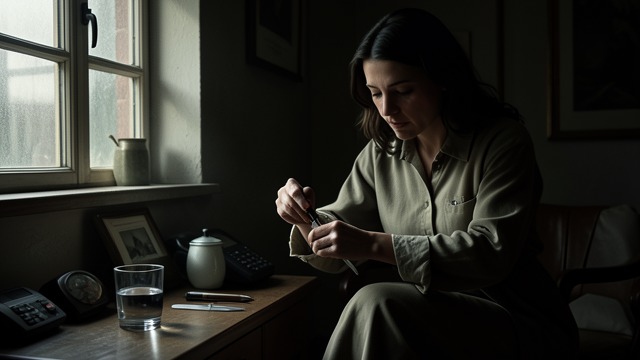
An Ethical Calculation
Autonomy and Suffering
Yolandi considers the argument that assisted death may maximize personal autonomy and minimize suffering. She also knows that helping Elfrieda could expose her to legal and moral consequences.
No Neutral Choice
Refusing to assist does not make Yolandi feel innocent, because Elfrieda may attempt suicide alone. Acting would likewise place her inside a decision she cannot confidently call right.
The Friend’s Judgment
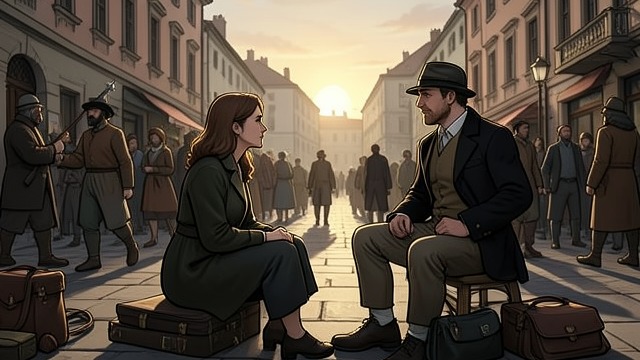
A Conversation That Breaks Down
A Moral Argument
A friend tells Yolandi that suicide is selfish because of the suffering it causes survivors. Yolandi resists the language and says outsiders cannot judge the experience without understanding it.
Grief in Public
The disagreement exposes how bereavement can isolate the survivor from people trying to comfort her. Yolandi’s anger protects the complexity of Elfrieda’s suffering, but it also strains a friendship.
A Continuing Argument
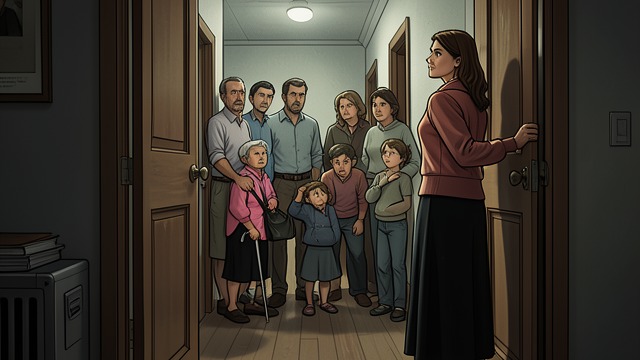
Living With the Question
Acknowledged Regret
Yolandi tells Elfrieda that she wishes she had taken her to Zurich. The sentence admits a lasting doubt rather than claiming that a different choice would certainly have saved her.
No Final Doctrine
The family continues living without a shared explanation that can settle the ethics of suicide. Their story leaves grief, autonomy, love, and responsibility in unresolved relation.
During the sisters’ upbringing in East Village
After Elfrieda’s overdose, in the emergency department
During Yolandi’s research into Zurich
Months after Elfrieda’s death, in Toronto
Near the end of Yolandi’s letter to Elfrieda
