
The Moving Image of the Train
All My Puny SorrowsThis flow traces railway imagery from the father’s death through Elfrieda’s final choice and Yolandi’s attempts to understand repeated violence.
increasing Bearing strength in each event
 decreasing
Bearing strength in each eventdecreasingA Family Memory of Tracks
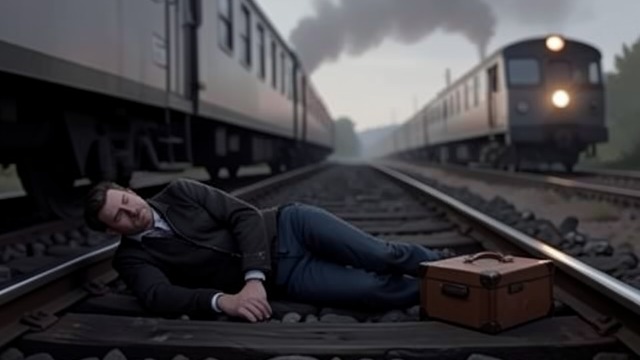
The First Railway Loss
A Father Dies
Jake dies beside railway tracks, leaving the family with damaged belongings and an absence that cannot be explained away. The train becomes attached to a specific family history rather than an abstract symbol.
A Daughter Remembers
Yolandi later recalls his death whenever the family confronts another suicide attempt. The tracks make the possibility of repetition impossible to ignore.
A Sister’s Fear
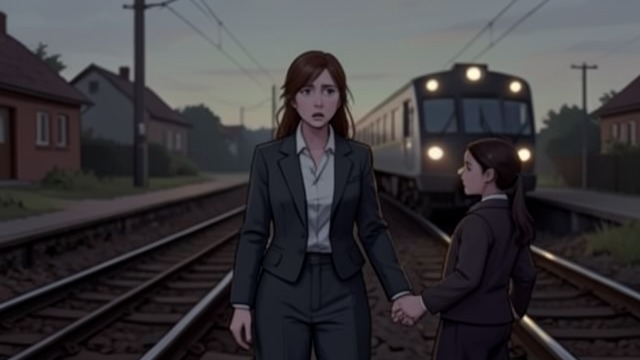
The Tracks Named Aloud
A Request in Crisis
After Elfrieda’s bleach attempt, she begs Lottie to take her to the train tracks. The request connects her present despair to the method that killed her father.
A Family’s Alarm
The family hears an echo of Jake’s death in the request. Their efforts to protect Elfrieda are shaped by the knowledge that the same landscape already holds a devastating precedent.
Rails in Ordinary Sound
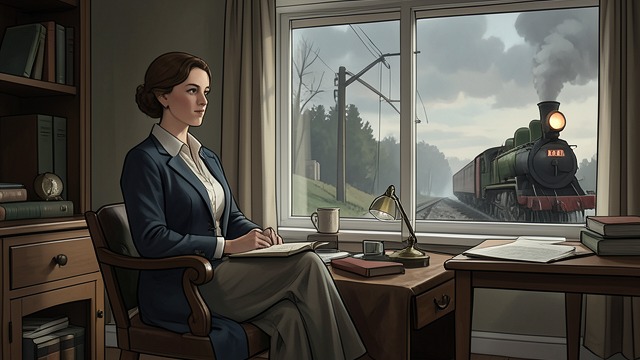
A Nearby Railway
The Sound Returns
Train whistles and wheels can be heard near Yolandi’s new home. Rather than only provoking fear, the sound sometimes becomes a greeting or a proper goodbye.
Meaning Changes, Not History
The railway remains associated with the family’s losses, but its sound can also enter ordinary life. Yolandi does not erase what happened; she learns that a familiar sound may hold more than one meaning.
The Body Reclaimed
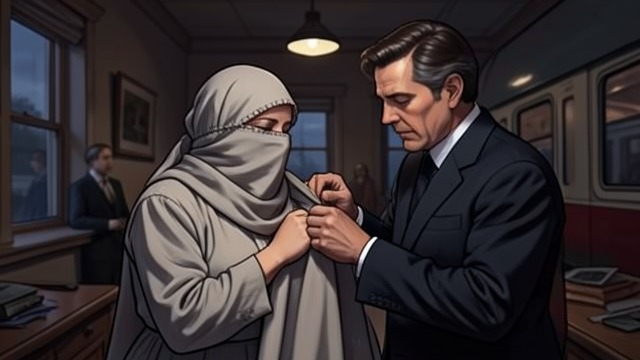
A Final Encounter
The Funeral Home
Lottie insists on seeing Elfrieda’s face rather than only her hand. Yolandi notices the funeral director’s effort to repair the damage enough for a final viewing.
Violence and Gratitude
Yolandi initially imagines blaming the person who stitched Elfrieda’s face, then feels gratitude for the care taken. The reaction shows how grief can move between accusation and tenderness within a single moment.
A Different Goodbye
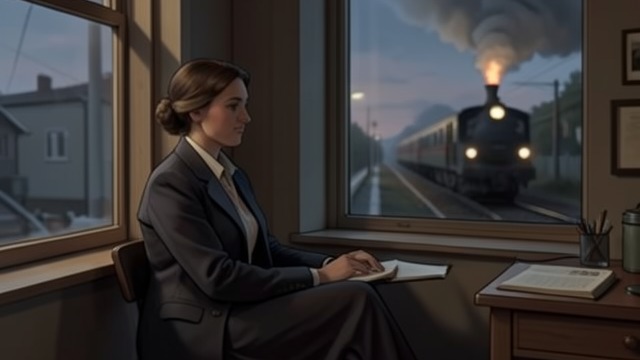
Living Near the Tracks
A Changed Sound
Yolandi writes that railway noise near her house can feel comforting, like a greeting or a proper goodbye. She remembers that Lottie values the rituals of saying hello and farewell.
Grief Without Closure
The trains do not provide an answer for either death. Their repeated passage offers instead a sound Yolandi can live beside, allowing memory to remain present without controlling every moment.
After Jake’s suicide
During Elfrieda’s repeated requests to die
After Yolandi begins living in the Toronto house
After Elfrieda’s death, when Lottie asks to see her face
In Yolandi’s closing letter to Elfrieda
