Haie Westhus
All Quiet on the Western FrontHaie Westhus is a peat-digger of the same age as Paul Bäumer and his classmates, who joined up as a volunteer from the same class. He is introduced as a man who "can easily hold a ration-loaf in his hand and say: Guess what I've got in my fist," a testament to his powerful build. He is a key member of the group led by Stanislaus Katczinsky, often serving as the "executive arm" who operates under Kat's orders when things come to blows, for which his physical qualifications make him ideal.
Identity and Background
Haie is defined by his origins as a peat-digger, a hard and poorly paid labor that he is desperate to escape. This background shapes his most distinctive trait: a deep, almost romantic longing for a career in the peacetime army. When the others fantasize about the end of the war, Haie reveals his plan to become a non-commissioned officer and serve out his twelve years. He dreams of the security it offers: regular food, clean underwear, a good uniform, and the freedom to go to the pub in the evenings. He envisions the pension and the status of a village policeman, where "everybody wants to be well in with a bobby." This dream is so powerful that he becomes lost in it, contrasting the mean hut and hard labor on the moors with the care-free hours he imagines in the alehouse. Katczinsky, however, bluntly tells him, "You'll never be a non-com, though, Haie," a prediction that underscores the tragic gap between his simple hopes and the reality of his fate.
Key Actions and Relationships
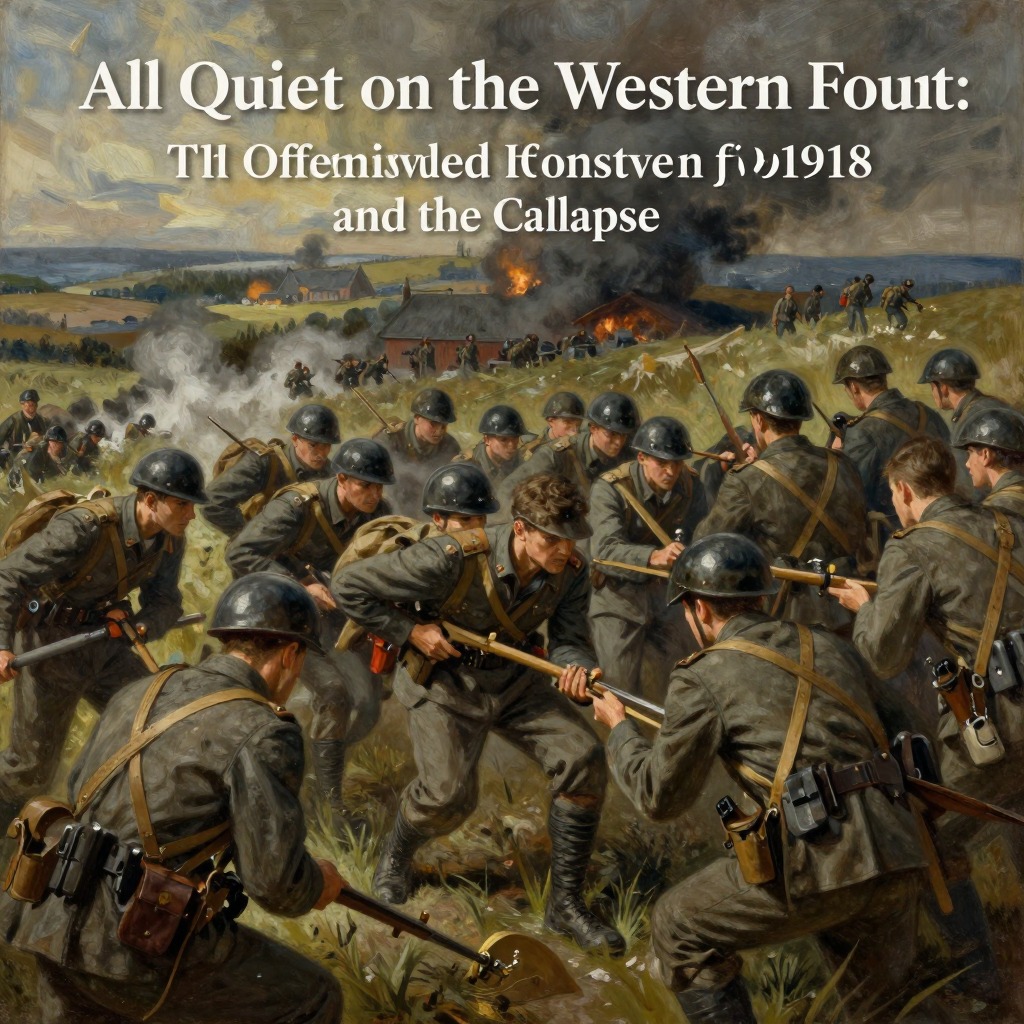
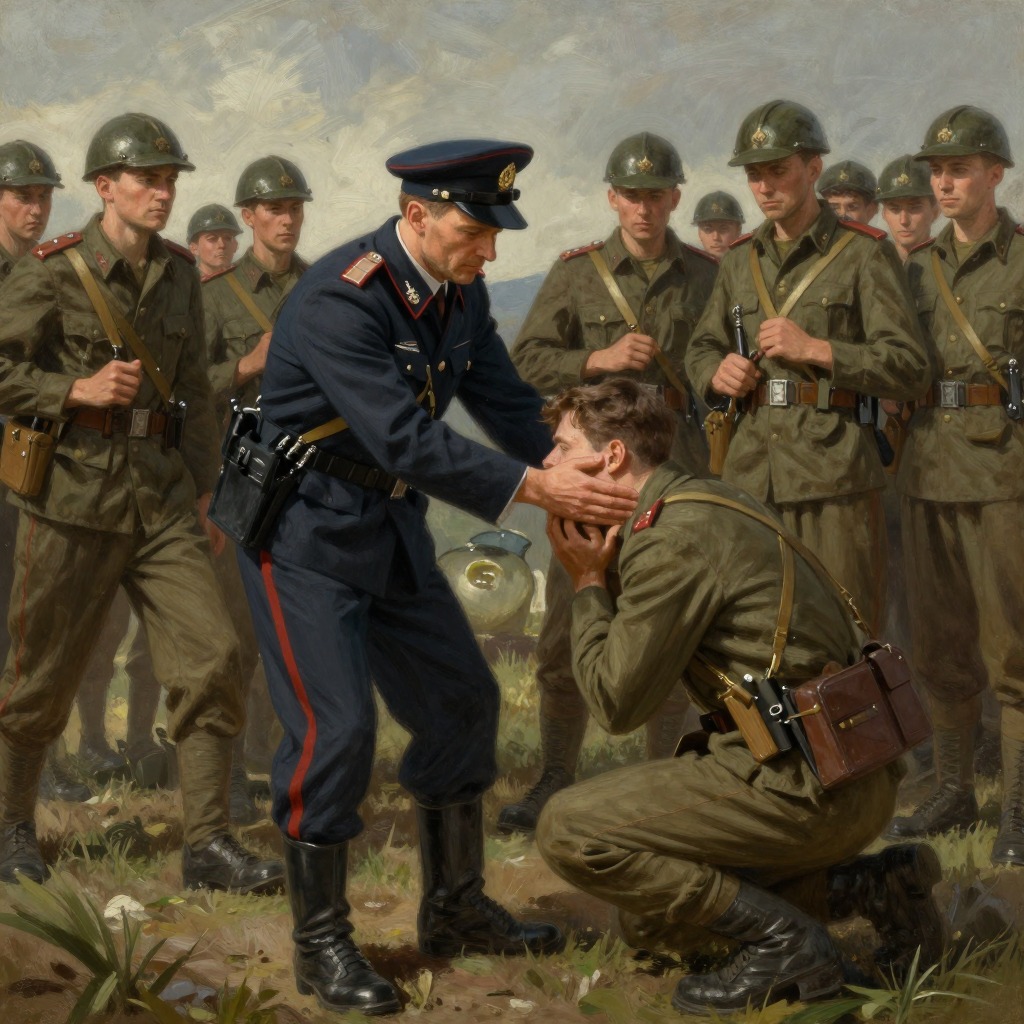
Haie's physical strength is central to his role in the group. He is the primary executor of the legendary thrashing of Corporal Himmelstoss, the group's hated drill-sergeant. On the night before they left for the front, Haie positioned himself to strike first, raising his arm "like a signal-mast and his hand like a coal-shovel" to deliver a blow that would have felled an ox. He then squatted over the bundled Himmelstoss, pressing his head onto a cushion to muffle his yells, while Tjaden whipped him. After the beating, Haie stood Himmelstoss up and delivered a final, well-aimed box on the ear with his left hand, looking as if he were "going to reach down a star." This act of revenge was the high-water mark of his life, and he often told Paul he dreamed of it. Beyond this violence, Haie is also a practical contributor to the group's survival. He helps Katczinsky forage for straw to make beds and builds fires for cooking, such as when they roasted horse-flesh in an abandoned factory. During the trench assault, he captures a thin loaf of white French bread, sticking it in his belt like a spade, and he is also the one who, with a spade, strikes "into the neck of a gigantic Frenchman" during the charge into the enemy line.
Wounding and Death
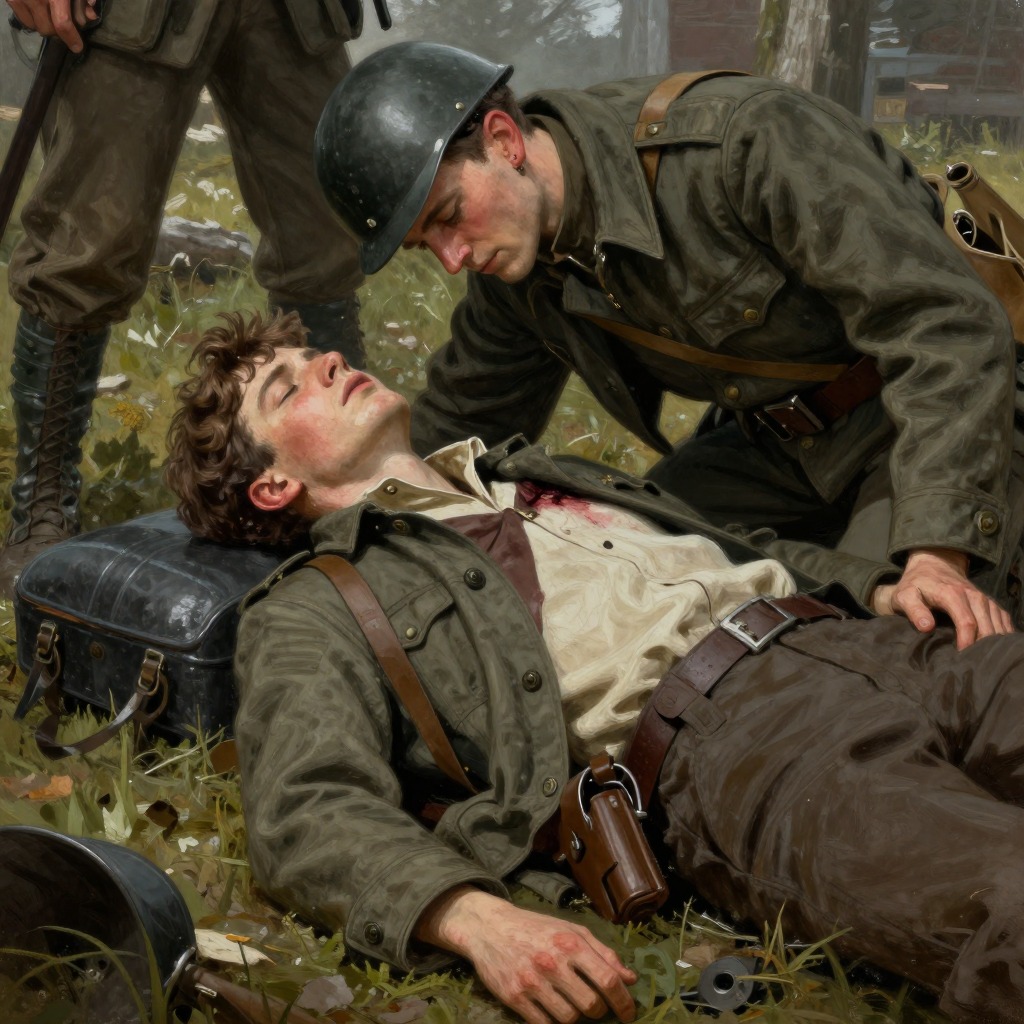
Haie's end comes during the brutal summer of 1918. He is dragged off with a great wound in his back "through which the lung pulses at every breath." As he lies dying, he groans to Paul, "It's all up, Paul," and bites his arm because of the pain. This is the last time Paul sees him alive. His death is a stark contrast to his physical power and his simple dreams of a future as a non-commissioned officer. He is one of the many comrades Paul loses, a fate that underscores the novel's central theme of a generation destroyed by war. His death is a direct consequence of the front-line madness and the overwhelming force of the enemy, a fate that befalls even the strongest and most hopeful of men.
Thematic Significance
Haie Westhus represents the common soldier, a man from a humble, laboring background whose aspirations are modest and practical. His dream of a secure, pensioned life in the army is a direct response to the harshness of his civilian existence as a peat-digger. The war, which he enters with a certain eagerness, ultimately destroys not only his life but also the very possibility of that future. His physical strength, which makes him a formidable fighter and a key member of his group, is powerless against the impersonal machinery of modern warfare. His death, a slow and agonizing one from a lung wound, is a brutal refutation of the idea that strength or simple virtue can guarantee survival. He is a poignant figure, a "poor brave wretch" whose fate is shared by countless others, and his loss contributes to Paul's growing sense of isolation and despair as he becomes the last of his class.