
Public Images and Private Lives
All the Bright PlacesThis thread traces the conflict between how Finch and Violet are described publicly and the hidden realities they experience.
increasing Bearing strength in each event
 decreasing
Bearing strength in each eventdecreasingThe School Legend
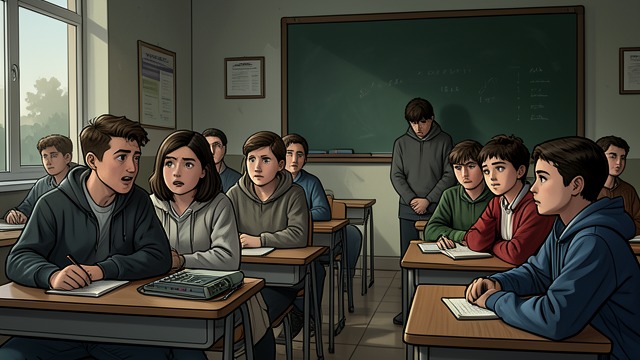
The School Legend
Finch as spectacle
Students at Bartlett High School know Theodore Finch as a strange, volatile legend, famous for pranks, fights, and eccentric performances.
Complexity obscured
The stories make his behavior entertaining and predictable to classmates, even though his periods of absence and despair are not understood. He is simultaneously mocked and watched.
The public image makes it harder for distress to be recognized as distress.
Violet the Hero
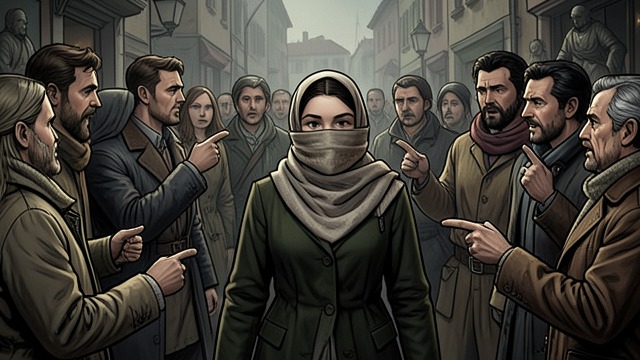
Violet the Hero
A simplified account
After the tower incident, students call Violet Markey a hero for saving Theodore Finch, although he was the one who guided her down.
Attention as pressure
Reporters and classmates approach Violet, turning her private vulnerability into a public story. She wants the whole day forgotten rather than celebrated.
The label of hero hides the fact that Violet also needed rescue and care.
The Perfect Ryan

The Perfect Ryan
Social ease
Ryan Cross appears to be the school’s ideal athlete and student, and Violet Markey’s former boyfriend. His popularity offers a familiar, socially approved possibility.
The image cracks
Violet later learns that Ryan steals objects compulsively, complicating the perfect-boy image. She also recognizes that returning to him would not restore her former self.
The contrast challenges the assumption that polished public behavior reveals a person’s whole life.
The Funeral Audience
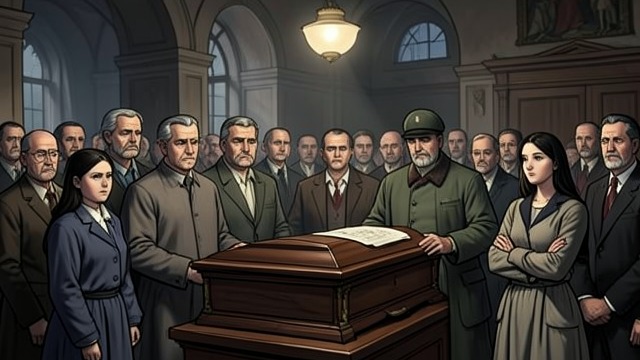
The Funeral Audience
Grief after mockery
At Theodore Finch’s funeral, Violet sees students who had called him a freak now claiming to love and miss him.
Anger at belated attention
Brenda Shank-Kravitz and Charlie Donahue share Violet’s discomfort with the display. The mourning does not erase what Finch endured while alive.
The scene questions whether public sympathy means much when a person was denied recognition in ordinary life.
A Person Beyond the Diagnosis
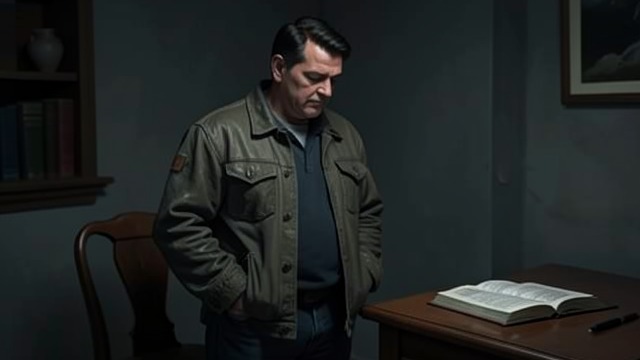
A Person Beyond the Diagnosis
Finch’s objection
Theodore Finch insists that he is a person, not a compilation of symptoms or someone to be rescued. He reacts strongly when Violet raises his mental-health crisis.
A necessary distinction
His fear of being reduced to illness is understandable, but it also makes accepting help harder. The novel holds both truths without treating diagnosis as an identity or a cure.
The conflict is between being seen accurately and being approached safely.
Early January
First week of January
January, before Violet’s relationship with Finch becomes public
May 3
March, during Violet’s visit to the closet fort
