
Finch’s Unrecognized Illness
All the Bright PlacesThis thread traces the escalating signs of Theodore Finch’s mental-health crisis and the limits of the help he receives.
increasing Bearing strength in each event
 decreasing
Bearing strength in each eventdecreasingUnexplained Shutdowns
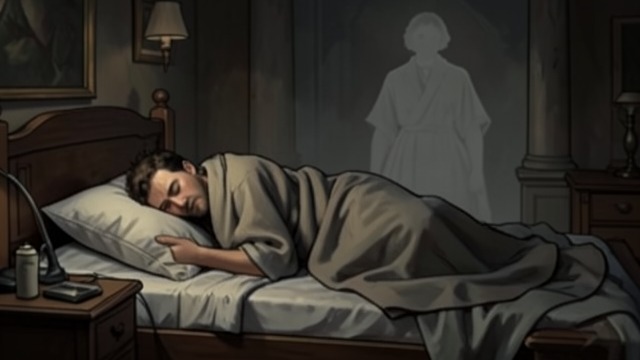
Unexplained Shutdowns
Periods of absence
Theodore Finch has experienced long shutdowns he calls the Asleep, including a winter absence lasting through the holidays. He returns to school feeling empty and disoriented.
Concealment at home and school
His family describes an illness or absence without understanding its nature, and Finch deflects questions with humor. The pattern is treated as eccentricity rather than a serious warning.
The unexplained episodes establish a crisis that predates the opening scene.
Counseling Without Disclosure
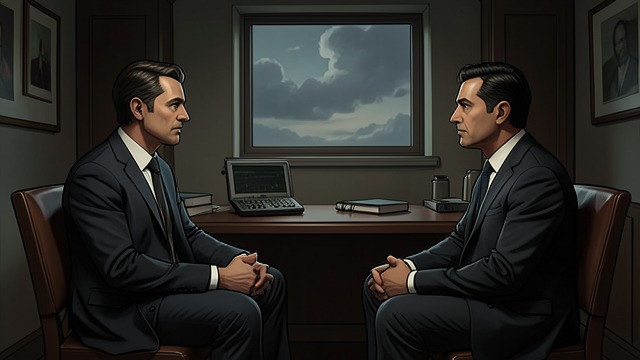
Counseling Without Disclosure
Questions and deflection
Mr. Embry asks Theodore Finch whether he intends to harm himself after finding him on the tower ledge. Finch denies danger and jokes about the situation.
The cost of concealment
Finch fears increased scrutiny and avoids telling the counselor about the black moods and shutdowns. The sessions continue, but the information needed to understand the risk remains incomplete.
The gap between being asked and being able to disclose becomes a recurring danger.
The Counselor Names a Possibility
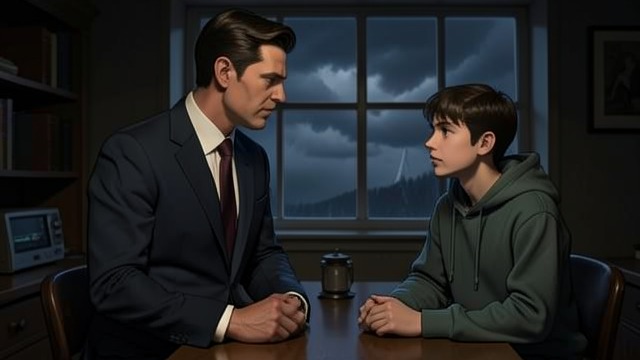
The Counselor Names a Possibility
A direct concern
Mr. Embry observes Theodore Finch’s changing energy, difficulty concentrating, and disturbing statements, then asks what he knows about bipolar disorder.
Fear of a label
Finch hears the possibility as a definition that might reduce him to illness. He reacts defensively rather than exploring what assessment or treatment could mean.
The conversation offers a route toward help but arrives after symptoms have intensified and trust is fragile.
Violence and Expulsion

Violence and Expulsion
A loss of control
After Gabe Romero insults him, Theodore Finch chokes him in a sudden, extreme assault. School staff pull Finch away, and the school expels him.
Crisis worsens
The violence follows earlier signs of agitation and impaired concentration, but the school response focuses on discipline. Finch becomes more isolated from ordinary support.
The episode is both a consequence of his condition and a new source of danger for others.
Seeking Help, Then Leaving

Seeking Help, Then Leaving
An impulsive attempt
Theodore Finch swallows sleeping pills in his closet, then makes himself run to the emergency room and asks staff to remove them from his body.
Incomplete care
After treatment, he leaves before a fuller evaluation or family intervention can take place. He later attends Life Is Life, but continues to conceal much from Violet and his family.
The sequence shows help-seeking and danger existing together, rather than a clean turn toward recovery.
Before the novel opens, recalled in January
Early January
Late February
March, after the counselor meeting
March, after taking sleeping pills
