Finch Attends Life Is Life Support Group
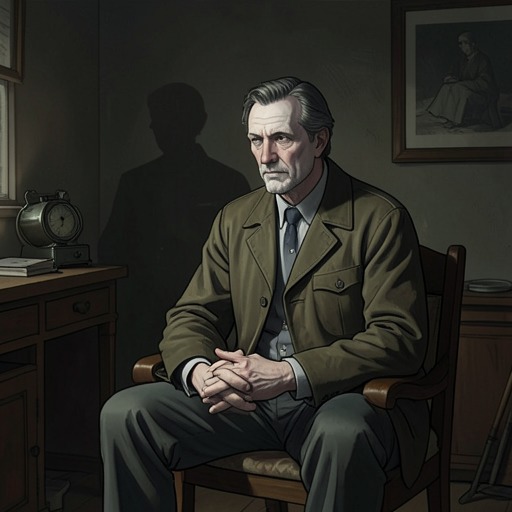
All the Bright PlacesTheodore Finch attends Life Is Life on Day 71, traveling to a teen support group in a nearby Ohio town while trying to manage a suicidal crisis he has hidden from Violet Markey. The meeting offers practical company rather than a cure: its participants name what keeps them alive, disclose painful experiences, and confront the labels attached to mental illness. For Finch, who arrives under an assumed name and leaves with a private connection to Amanda Monk, the encounter exposes both his isolation and the possibility of being recognized without being reduced to it.
Circumstances and Arrival
Finch learns about Life Is Life online. The group meets on the grounds of an arboretum, but it is not a nature class: it is for teenagers who are thinking about suicide, have attempted it, or have survived an attempt. Finch drives Little Bastard twenty-five miles to attend. He is tired and avoids seeing Violet, telling her that he has some kind of bug so she will not realize how unsettled he is. His effort to keep his distress from her makes the journey a form of help-seeking conducted in secrecy.
The meeting comes after Finch has taken sleeping pills and run to the emergency room for help. He has also been expelled, and his thoughts repeatedly frame him as broken, fraudulent, and impossible to love. His attendance therefore follows a serious crisis, but it does not mean the danger has passed. He reaches for support while still describing his recent experience as a halfhearted experiment and while continuing to think about suicide. The contrast between his outward composure and the severity of what he conceals shapes the entire visit.
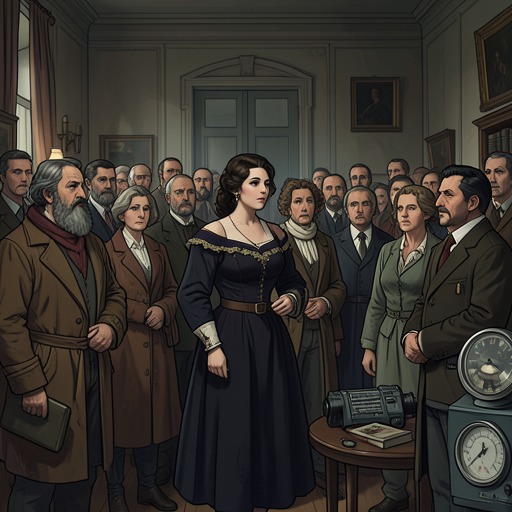
The group meets in a large, wood-paneled room with radiators along the walls. Two long tables have been pushed together, and pitchers of water, paper cups, and plates of cookies are set out. The ordinary arrangement resembles a classroom, an apt setting for a meeting in which participants take turns introducing themselves and explaining what they have lived through. The counselor, Demetrius, says he is pursuing a doctorate at the local college and that Life Is Life is in its twelfth year; he has led it for eleven months.
The Meeting and Finch’s Disguise
Demetrius guides the group through introductions. Each teenager gives a name and age, identifies a diagnosis, and says whether they have firsthand experience attempting suicide. They then complete a recurring prompt by naming something that makes life worth celebrating. The answers range from school, sports, and relationships to a pet. This small ritual does not erase the seriousness of the disclosures; it gives the participants a way to name an attachment to living alongside the accounts of illness and risk.
Finch calls himself Josh Raymond and says he is seventeen. He presents himself as having no prior experience beyond his recent, halfhearted experiment with sleeping pills. For his answer to the life-affirming prompt, he names the Jovian-Plutonian gravitational effect, a phrase that means nothing to the other teenagers. The choice distinguishes him from the group even as he has come hoping, however cautiously, to find company. He watches the others and initially feels superior because he believes he is the only one who has not made a serious attempt. That reaction unsettles rather than reassures him: he recognizes that comparison offers no protection, and he thinks that a future attempt would not be a failure.
Amanda Monk arrives late, bundled against the cold, and sits without removing her coat. She uses the name Rachel for the introduction. When she sees Finch, her face goes blank; she avoids looking at him and speaks in a flat, controlled manner. She discloses that she is seventeen, has bulimia, and has attempted suicide twice using pills. She describes hiding behind smiles and gossip, says that she is unhappy, and names secrecy as what is keeping her alive. By presenting herself as Rachel, Amanda enters the group under a name that distances her from the school identity Finch knows. Her disclosure makes that distance visible without making it disappear.
Recognition and Aftermath
As the introductions continue, Finch learns that he is the only person present who has not made what he considers a full suicide attempt. The comparison briefly feeds his sense of superiority, but it also deepens his despair. He sees the teenagers as people seeking help and recognizes the pain in their stories. He is troubled by the stigma attached to mental illness and by the way participants can describe themselves through diagnostic labels, as if those terms were the whole of their identities. His own resistance to being labeled is not a claim that he is well: he knows he is struggling, but wants to remain more than a category.
Demetrius discusses medications that help some of the participants. Finch stops listening after one boy describes the fear that treatment might leave him feeling unlike himself. The boy’s concern connects with Finch’s unease about being defined or altered by illness, though the scene does not settle that conflict. The group makes room for both the practical value of treatment and the fear of losing a sense of self; Finch’s attention falters rather than resolving the tension.
After the meeting, Demetrius asks what Finch thought. Finch gives an approving answer intended to make the counselor feel good about his work. He then catches up with Amanda in the parking lot and promises not to tell anyone what she disclosed. She responds with anger and fear, insisting that he keep her confidence. Finch reminds her that the school would believe she was telling the truth about him and that he has been expelled, a remark that draws on the stigma he has experienced himself. Amanda asks whether he still thinks about suicide. Finch tells her that if he did not, he would not have come.
Amanda also asks about the earlier crisis at the School bell tower ledge, when Violet talked Finch down. He answers ambiguously, neither fully confirming nor denying the premise of her question. The exchange leaves his history and present risk unsettled, but makes clear that the danger remains part of his life. When Amanda asks whether he includes himself among the people she has called freaks, Finch explains that he does something to remind himself that he is present and still has a say in the matter. The action is not specified in the scene; its importance lies in his description of it as an effort to remain connected to being alive and to his own agency.
Amanda tells Finch that he is not the only freak. He regards this as the nicest thing she has ever said to him. The remark does not make either teenager safe, and the meeting does not produce a dramatic recovery. Instead, the encounter changes the terms of Finch’s isolation: he meets someone who recognizes the shame and concealment he associates with himself, while trusting him with a vulnerability of her own. Life Is Life offers him a room in which such experiences can be spoken aloud, and the brief exchange afterward turns that shared exposure into a guarded form of companionship.