Pendleton Pike Drive-In
All the Bright PlacesPendleton Pike Drive-In is an abandoned entertainment site on the outskirts of downtown Indianapolis, remembered both as a popular 1960s destination and as a place where the past survives in a single battered screen. In Violet Markey’s remaining wanderings, that structure bears a message left by Theodore Finch; Violet climbs up to answer it, making the drive-in the setting where their shared project reaches its ending.
Site and History
The drive-in is described as one of the last of its kind. What remains lies in an overgrown field on the outskirts of Indianapolis, a landscape so changed that Violet likens it to a graveyard. The comparison captures the place’s present condition without erasing its former liveliness: in the 1960s, it was among the area’s most popular sites, not merely a movie theater but a family attraction with a kiddie park, a miniature roller coaster, and other rides and amusements.
Almost all of that activity has disappeared. The screen is the only structure Violet identifies as remaining. It stands apart from the old entertainment complex’s vanished attractions, a surviving surface without the films, rides, or crowds that once gave the site its purpose. The contrast makes the location more than a picturesque ruin. Its history is legible through the difference between what it once offered and what Violet encounters: weeds, dirt, litter, and a screen that blocks the horizon like a skeleton.
Violet’s Visit
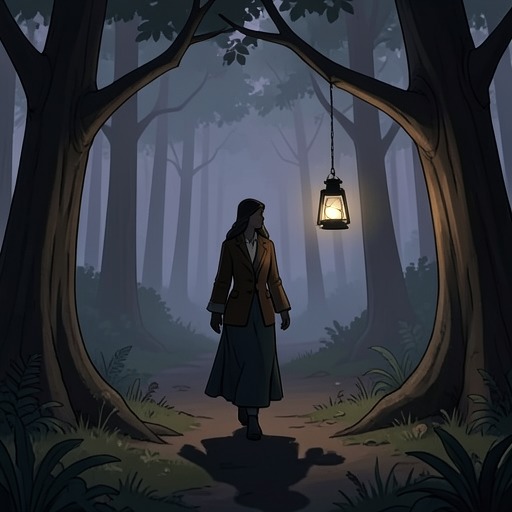
The drive-in is one of the destinations in Violet’s third and fourth remaining wanderings. She parks by the roadside and approaches the screen from behind. Though the day is warm, it is overcast, and she shivers as she crosses the field. The uneasy atmosphere and the physical approach matter: she does not immediately see what Theodore Finch has left. She tries to picture him parking Little Bastard where she has parked her own car and walking toward the screen, imagining his earlier visit through the route she is now taking.
A text from Theodore Finch, “I believe in signs,” accompanies the discovery. The screen’s back is covered in graffiti; Violet picks her way among broken beer bottles and cigarette butts. Grief interrupts the search with a bodily force: she feels as though she has been kicked in the stomach and lost her breath, and wants to sit down and cry. Instead, she walks around the side of the screen, aware that she may find nothing. The choice to keep moving turns the visit into an act of looking, undertaken without any assurance that the place holds an answer.
The Message on the Screen
Violet counts out about thirty paces beyond the screen, turns, and looks up. Across its broad white face, red letters spell “I was here. TF.” The scale of the message makes it both intimate and public: initials identify its author, while the enormous screen carries his words above the surrounding field. Violet sinks into the dirt, weeds, and trash. Her questions are not about how to interpret the sentence but about the time she missed: where she was while Theodore Finch climbed up and painted it, and whether she was in class, at home, or with Amanda Monk or Ryan Cross.
She photographs the skeletal screen, then approaches until the letters loom above her. A can of red spray paint sits on the ground, its cap neatly on. Violet hopes it might contain a note or show that it was left for her, but it is only a can. Its presence gives her the means to answer the inscription, not proof of Theodore Finch’s intention. She reasons that he must have climbed the steel latticework posts anchoring the screen and uses them to climb it herself, carrying the paint can under her arm. To finish the task, she has to climb one side and then the other.
A Shared Ending
Violet adds “I was here too. VM.” to the screen. She judges Theodore Finch’s lettering neater than hers, but sees the two messages together as belonging to the same project. She takes another photograph in case the screen is ever torn down. That practical act recognizes the site’s vulnerability: the words are joined on a structure already left to decay, and the photograph can preserve their arrangement even if the physical landmark does not last.
The drive-in thus gives the wandering project a concrete, visible conclusion. Theodore Finch’s message records his presence at a place Violet had not yet reached; her response does not undo his absence but makes her presence part of the same surface. The screen’s former role as a public spectacle has vanished, yet it again becomes something meant to be seen. At a site where almost everything has disappeared, the two brief inscriptions transform the remaining structure into evidence of a journey undertaken together and completed, after his death, by Violet.