You are all the colors in one, at full brightness
All the Bright Places“You are all the colors in one, at full brightness” is an expression of vividness that acquires the force of remembrance. In the novel, Violet Markey speaks it after finding Theodore Finch; in the book’s acknowledgments, the author quotes the same words as Finch’s and places them within a tribute to her mother. Across those settings, the line connects personal affirmation with grief and the act of carrying someone’s words forward.
The Phrase in Violet’s Scene
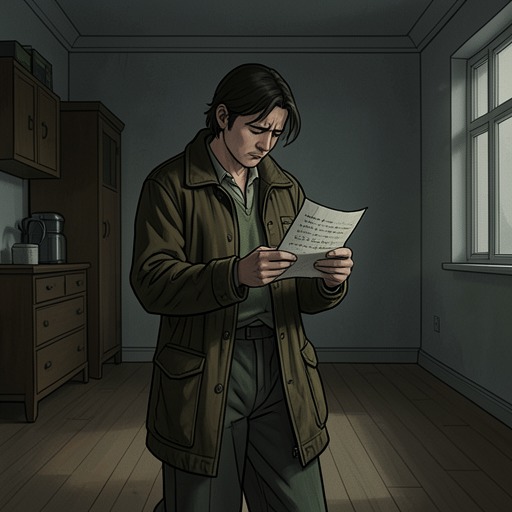
After telling Finch’s mother that she has found him and repeatedly apologizing, Violet lies back on the ground with a blanket wrapped around her. She speaks to the sky: “May your eye go to the Sun, To the wind your soul.… You are all the colors in one, at full brightness.” The expression follows an invocation, so it reads not as a detached compliment but as part of Violet’s response to an overwhelming loss. Her bodily stillness and address upward contrast with the frantic repetition of her apologies moments earlier.
The image of colors at full brightness gives the phrase its particular intensity: it describes not merely presence, but presence made vivid and complete. Spoken in this aftermath, the affirmation coexists with absence. The line cannot undo what has happened; instead, it gives Violet a way to address the lost person through language.
Return in the Acknowledgments
The phrase reappears in the acknowledgments, where the author dedicates the book to her mother after describing her unexpected death and the importance of her encouragement. The author explicitly introduces the words as a quotation from Theodore Finch. This placement carries the expression beyond the novel’s scene: Finch’s language becomes part of a real-world tribute to someone the author loved.
The two appearances are related but distinct. Violet speaks the phrase within the story, in the immediate aftermath of finding Finch; the acknowledgments use it as an attributed quotation within a dedication. Together, they make the line a bridge between fictional remembrance and the book’s own language of personal loss, without erasing the difference between those contexts.