
Jutta’s Survival and Memory
All the Light We Cannot SeeThis flow follows Jutta’s resistance to propaganda, wartime survival, and later effort to understand Werner’s choices.
increasing Bearing strength in each event
 decreasing
Bearing strength in each eventdecreasingThe Sister Who Questions
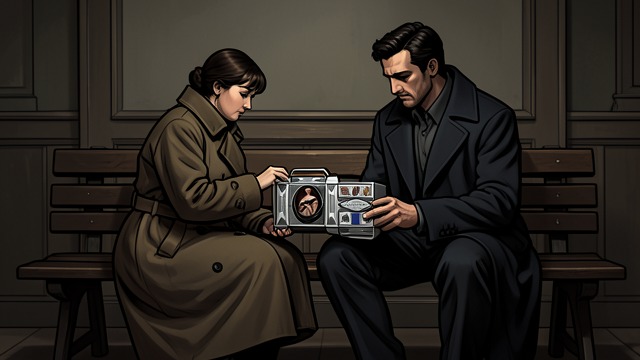
The Sister Who Questions
Shared beginnings
Jutta listens with Werner to foreign radio and draws imagined cities while they grow up at Children’s House.
Moral clarity
She questions official accounts and tells Werner that German planes are bombing Paris. Her understanding places strain on their bond.
Her skepticism becomes a measure of what Werner risks losing as he seeks advancement.
A Brother’s Departure
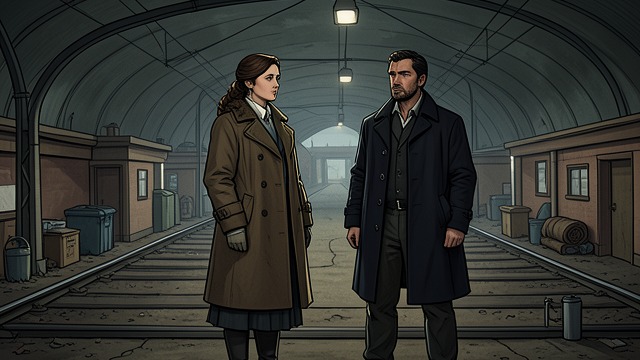
A Brother’s Departure
Unequal hopes
Werner sees the school as a route out of mining life; Jutta sees the danger of becoming like the older boys who embraced Nazi violence.
A painful parting
She rejects his reassuring promises and tells him not to lie to her. They part without resolving their disagreement.
Their affection remains, but distance and censorship weaken their ability to speak honestly.
A Life in Wartime Berlin
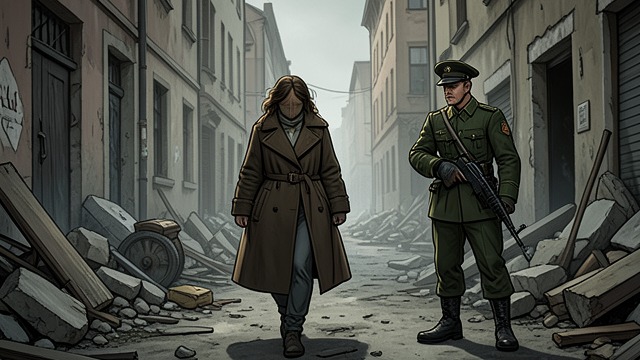
A Life in Wartime Berlin
Forced labor
Jutta and the remaining women from Children’s House are sent to Berlin to salvage factory materials and clear rubble.
Violence and survival
Soviet soldiers assault the women after the war reaches the city. Jutta survives, but carries the trauma into a life that rarely allows her to discuss it.
Her later ordinary routines coexist with experiences she cannot simply put away.
A Brother’s Belongings
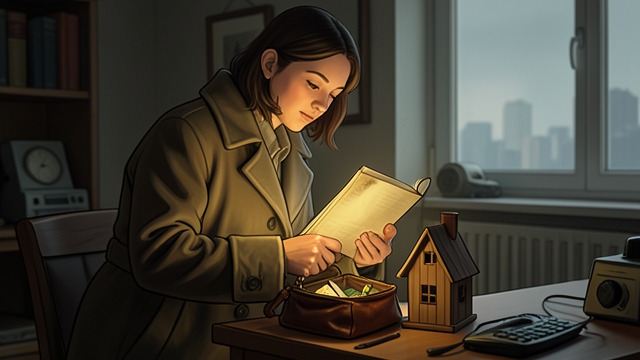
A Brother’s Belongings
A return from the past
Frank Volkheimer brings Jutta Werner’s bag, notebook, and miniature house. The objects make the brother she has tried to contain newly present.
Memory made tangible
She opens the notebook and discovers his old questions, then visits Saint-Malo with her son to seek the house and the blind girl.
The search offers no restoration, but it allows Jutta to encounter Werner’s history beyond official records.
The Meeting in Paris
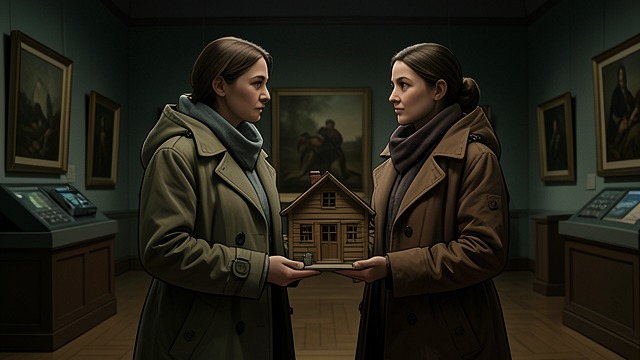
The Meeting in Paris
Recognition
Jutta meets Marie-Laure at the Museum and returns the miniature house. The two women compare memories of the boy whose life connected them.
A humane account
Marie-Laure tells Jutta that Werner helped her and did not take the stone. Jutta explains how difficult it was for him to resist what was expected.
The meeting gives both women a fuller, if still incomplete, understanding of him.
Mid-1930s, during the siblings’ radio listening
1940, before Werner leaves for Schulpforta
1945, during the final months of the war
1974, when Volkheimer visits Jutta
1974, after Jutta finds Marie-Laure’s address
