
Henry’s Coerced Betrayal
All the Old KnivesHenry’s earlier disclosure to Russian security forces makes him vulnerable to Shishani’s blackmail and leads him to sacrifice Ahmed’s safety.
increasing Bearing strength in each event
 decreasing
Bearing strength in each eventdecreasingA Source in Moscow
A Source in Moscow
Cooperation
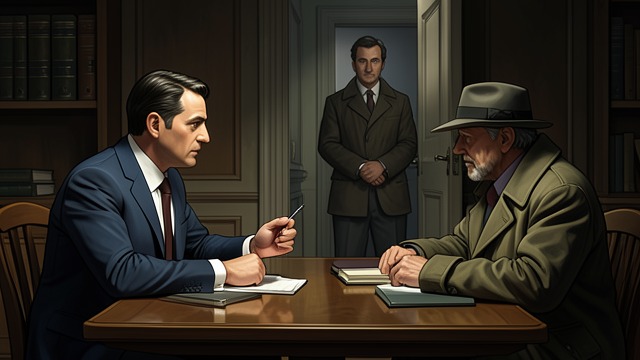
In Moscow, Henry Pelham manages Ilyas Shishani as a source. Their relationship combines practical intelligence work with conversations that seem more personal than either man admits.
Unequal Trust
Henry believes that professional boundaries can contain the risks. His confidence in his own handling of the relationship will later prove misplaced.
The List Is Handed Over
The List Is Handed Over
Orders
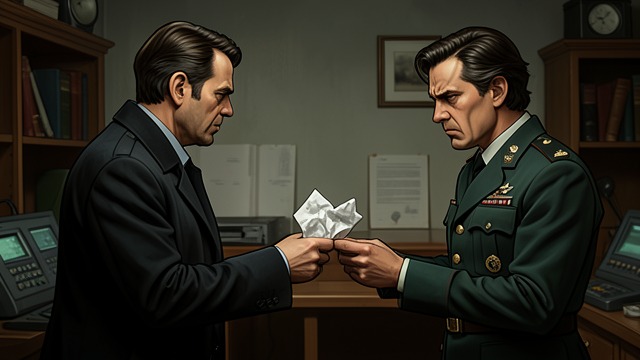
Under pressure to assist Russian security services, Henry supplies information about sources, including Ilyas Shishani. He objects to the policy but still carries out the order.
Compromise
His protest arrives later in a letter to headquarters. The formal objection cannot undo the danger created by giving the source’s identity to the Russians.
Shishani’s Threat
Shishani’s Threat
Return
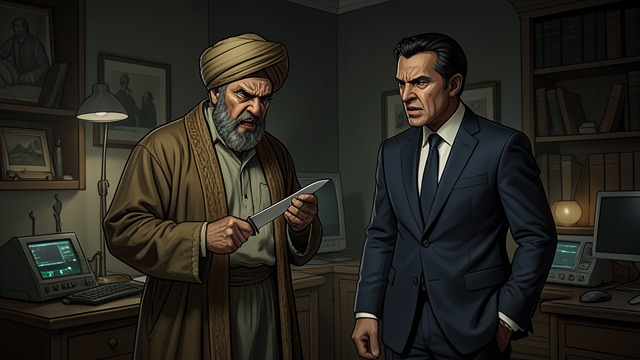
Ilyas Shishani meets Henry at the Gloriette and recounts what happened after the Russian security service took him. He holds Henry responsible for the betrayal that led to his torture.
Coercion
Shishani offers Henry a choice: provide information or watch Celia die. The threat turns the old source relationship into an instrument of control.
A Call to Amman
A Call to Amman
Decision
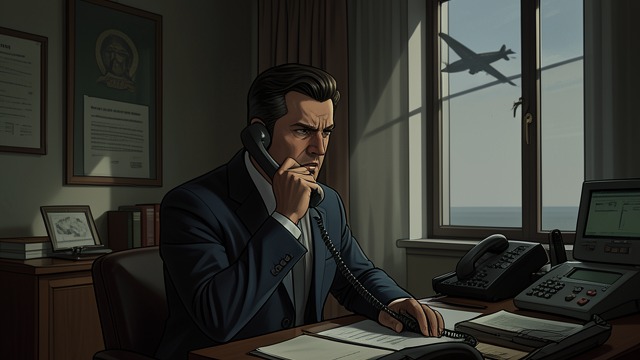
Henry uses an embassy telephone to call a relay in Amman and disclose information that exposes Ahmed Najjar. He acts under Shishani’s threat, but the choice remains his own.
Betrayal
The contact helps the hijackers identify the source aboard the plane. The call becomes the hidden link between Henry’s private bargain and the passengers’ fate.
The Cost of Survival
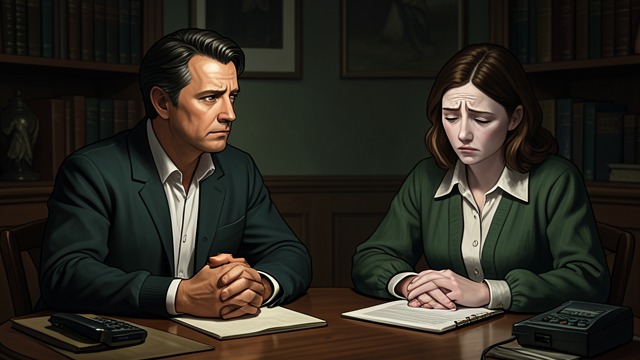
The Cost of Survival
Admission
At dinner, Henry tells Celia that the betrayal was intended to save her. He has lived with the belief that his choice preserved the possibility of their life together.
Exposure
Celia does not accept his motive as absolution. His confession reveals how self-preservation and love can coexist with responsibility for mass death.
Before late October 2002
After the Dubrovka Theater crisis in 2002
December 7, 2006
The first night of the Flight 127 hijacking
October 16, 2012, during the final confrontation
