Celia Favreau and Drew Favreau’s marriage and family life
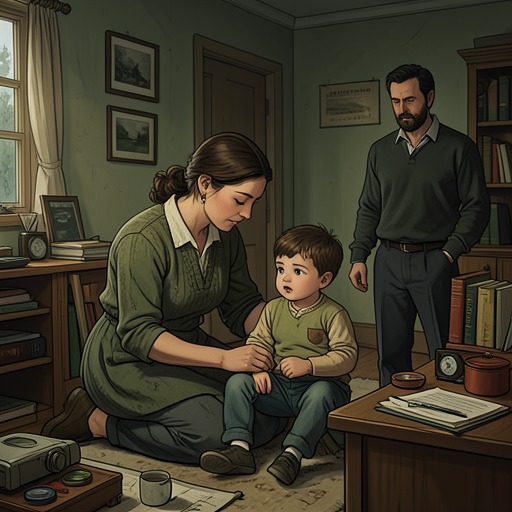
All the Old KnivesCelia Favreau and Drew Favreau’s marriage and family life form the domestic counterweight to Celia’s former intelligence career. After five years on the edge of the continent, marriage, children, and new responsibilities have helped her build a life apart from the Agency. Yet her anxiety about Henry unsettles that household calm, and Drew senses that her assurances do not tell the whole story.
Marriage and Family Life
Celia describes her five years away from the intelligence world as a period of shedding one identity and growing into another. Marriage and children are central to that change, as are the responsibilities of their home in a lush village by the sea. The Agency has largely left her alone: apart from a visit from Karl two weeks after the family arrived and a phone call from him in June reporting the capture of an enemy of world peace, it has not intruded into their life. Celia believes that, although she may still have enemies elsewhere, none has been hurt enough to seek revenge.
The household appears through practical, affectionate routines. At breakfast, Celia cooks eggs while Evan Favreau plays Angry Birds on an iPod and Ginny Favreau eats toast with peanut butter. Drew brings in a newspaper, pecks Celia on the cheek, and joins the family at the table with his coffee. These ordinary gestures establish a shared domestic life that is not merely a refuge from Celia’s past but the life she expects to continue building with Drew.
Henry and the Strain of Concealment
When Bill warns Celia that Henry may be after her, the threat reaches into her marriage as well as her sense of safety. Drew tries to help in the practical, problem-solving manner he developed while running his arm of General Motors Corporation, but Celia stops him from intervening. She cannot explain that she hopes an upcoming dinner with her former lover will end a recurring dream; telling Drew would invite questions she cannot answer and, she expects, jealousy about a younger man.
Drew nonetheless recognizes that Henry is involved. In bed, he watches Celia with a fixed, troubled expression and asks whether something is going on. She denies it, kisses him, and assures him that Henry means nothing to her. Drew accepts the reassurance outwardly, giving her a sad smile before settling back down. The exchange preserves tenderness, but it also shows its limit: Celia uses affection to close a conversation whose underlying cause she cannot disclose.
Family Routine and an Uncertain Return to Normal
By breakfast, Drew seems to have moved past his insecurity, and he resumes the easy rhythms of family life. He reads the newspaper and comments on its coverage of Mitt Romney’s statements in Israel while Celia manages the children’s morning. The scene’s domestic ease contrasts with her private unease: Drew has noticed her growing anxiety, sudden irritability, and unusually long silences over the preceding week.
Celia expects that after the dinner she may face days or weeks of regret and further mood swings before things settle. She imagines a return to familiar roles: Drew helping his political candidates, she raising their children, and both of them looking toward the future. That anticipated normality is a hope rather than a certainty. Their marriage remains marked by care and daily companionship, but Celia’s concealment leaves Drew responding to signs of distress without knowing their full source.