
The Press and the Presidency
All the President's MenThis flow traces the escalating confrontation between the Washington Post and Nixon’s administration over both investigative reporting and the press’s institutional freedom.
increasing Bearing strength in each event
 decreasing
Bearing strength in each eventdecreasingDismissed as Trivial
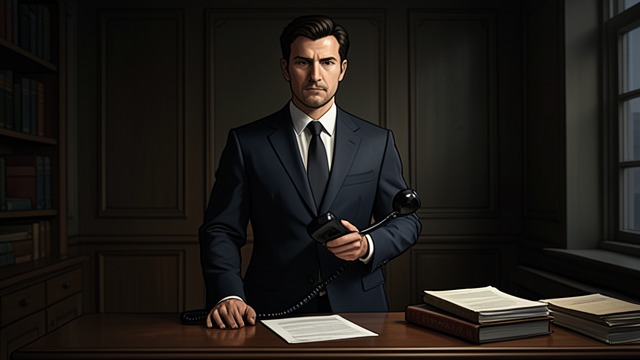
Dismissed as Trivial
An Official Minimization
Ronald Ziegler called the burglary a third-rate incident, while Richard Nixon said the White House had no involvement. The administration’s posture implied that further scrutiny was unnecessary.
Reporting Continues
The Washington Post continued to follow names, records, and financial links. The contrast between official dismissal and persistent reporting formed the first stage of a conflict over who had authority to define the story.
The Post’s Story Is Attacked
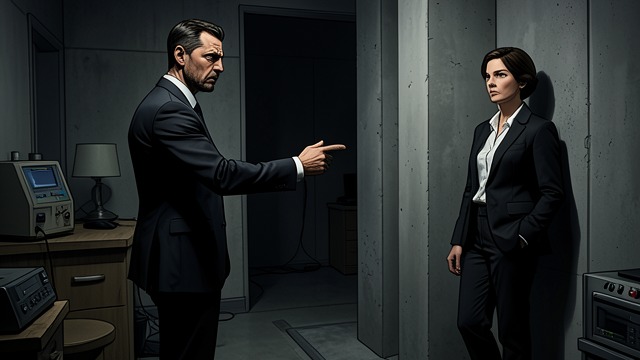
The Post’s Story Is Attacked
Denial Replaces Explanation
After the nationwide sabotage story, Republican officials accused the Washington Post of bias and unsubstantiated reporting. They emphasized the paper’s political sympathies instead of answering many details about the alleged operation.
A Public Contest of Credibility
The paper defended its reporting while editors pressed reporters to verify claims carefully. The dispute made Watergate not only a question of political conduct, but also a contest over whether the press could scrutinize those in power.
An Unequal Target
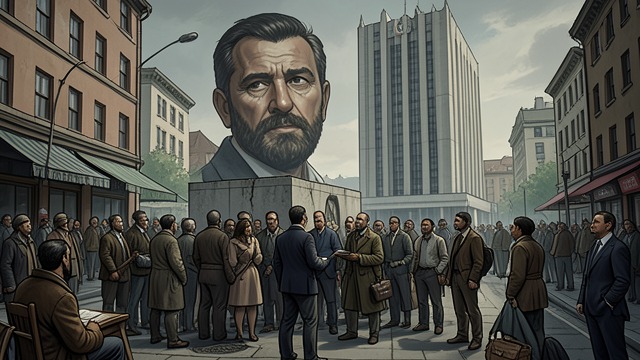
An Unequal Target
Selective Condemnation
The New York Times published telephone-record evidence connecting Donald Segretti to the White House and Howard Hunt. The administration’s attacks concentrated more heavily on the Washington Post than on other outlets reporting related information.
A Strategic Divide
The pattern suggested that the paper itself had become a political target. By challenging its motives rather than resolving the underlying contacts and records, officials intensified skepticism about their own denials.
Subpoenas and Pressure
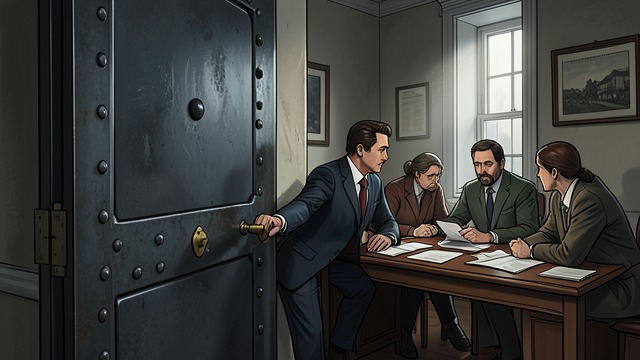
Subpoenas and Pressure
A Civil-Suit Demand
The Committee for the Re-election of the President subpoenaed reporters and Washington Post executives, demanding testimony and notes related to Watergate. The request threatened confidential sources and the newsroom’s ability to investigate.
A First Amendment Test
Katharine Graham and the paper’s lawyers planned to resist disclosure. The conflict moved from rhetoric to legal pressure, raising the stakes for reporters who had built the story through promises of confidentiality.
A Public Apology
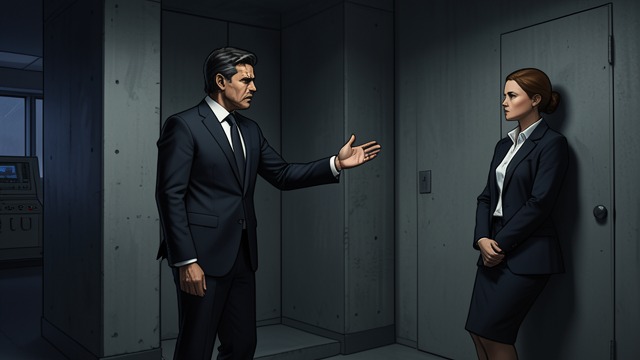
A Public Apology
The Administration Reverses Course
After months of attacks, Ronald Ziegler apologized to the Washington Post and its reporters, acknowledging that mistakes had been made in his comments. The apology followed disclosures that substantially weakened the administration’s earlier defenses.
A Changed Balance
The apology did not settle every dispute, but it marked a striking reversal in the public contest over credibility. The reporters’ work had survived official denunciation long enough for evidence to alter the political terms of the argument.
June 1972
October 1972
October 1972
February–March 1973
May 1, 1973
