
The Fight Over Watergate’s Scope
All the President's MenThis flow follows the struggle to define Watergate narrowly as a burglary or broadly as part of an organized political operation and its concealment.
increasing Bearing strength in each event
 decreasing
Bearing strength in each eventdecreasingThe Burglary as an Isolated Crime
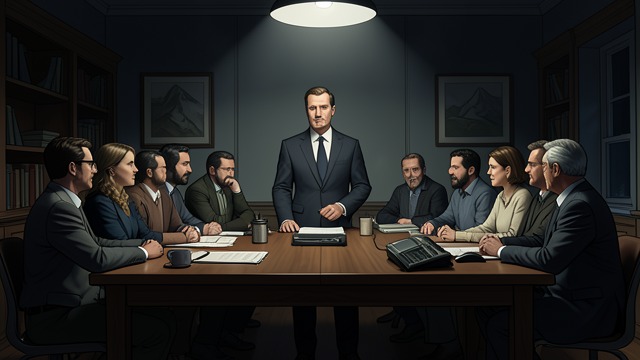
The Burglary as an Isolated Crime
A Limited Official Account
The early public account treated Watergate as a failed burglary without established White House sponsorship. The first indictments focused on the seven men caught or directly connected to the break-in.
A Larger Set of Clues
Campaign employment, mysterious funds, and links to Howard Hunt complicated the isolated-crime explanation. The investigation’s scope became a conflict in itself: which connections counted as part of Watergate, and which could be set aside?
The Espionage Files

The Espionage Files
Evidence Beyond the Burglary
Sources described dirty tricks, political spying, and sabotage across multiple states. The FBI had encountered information about these activities, but reporters learned that the investigation had not pursued every lead.
A Battle Over Definition
Officials could characterize activities as routine political intelligence, while the Washington Post called them espionage and sabotage. The argument over terminology concealed a deeper issue: whether campaign misconduct formed a coordinated program.
Memos and Destroyed Records
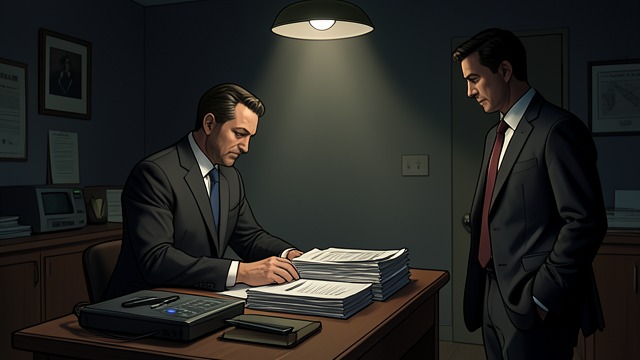
Memos and Destroyed Records
A Housecleaning Alleged
Campaign employees said records disappeared after the arrests, including financial ledgers and wiretap-related material. Robert Mardian and Fred LaRue were described as managing the committee’s response.
Investigation Obstructed
The missing records made it harder to determine who had authorized payments and what the surveillance had produced. The reporters’ account raised the possibility that the effort to narrow the case had begun before investigators could secure the relevant evidence.
The Trial’s Missing Questions
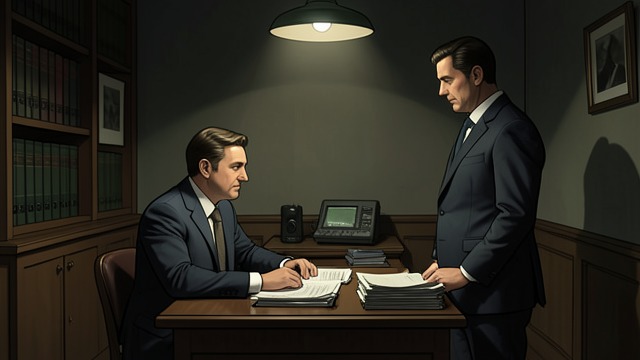
The Trial’s Missing Questions
A Restricted Presentation
The prosecution portrayed Gordon Liddy as the principal organizer and argued that the burglary exceeded the campaign’s legitimate intelligence work. Key questions about higher authorization and payments were not fully explored.
A Judge Demands More
John Sirica criticized the thin account and said pertinent facts had not been produced. His dissatisfaction echoed the reporters’ concern that the formal case left the central sponsorship question unanswered.
The Cover-Up Becomes the Case
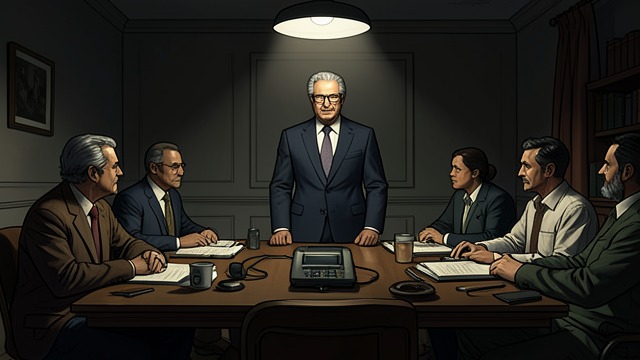
The Cover-Up Becomes the Case
A New Investigative Focus
James McCord’s letter and Jeb Magruder’s cooperation shifted attention toward pressure on witnesses, hush money, and senior officials. The story was no longer confined to who entered the Democratic headquarters.
A Constitutional Crisis
As evidence reached the President’s closest aides, investigators confronted executive resistance and the limits of prosecuting a sitting president. The scope question became inseparable from the survival of the presidency itself.
June–September 1972
September–October 1972
June–September 1972
January 1973
March–April 1973
