
The Post’s Institutional Struggle
All the President's MenThis flow follows the newsroom’s struggle to preserve independence while balancing aggressive investigation, editorial caution, legal exposure, and pressure from the White House.
increasing Bearing strength in each event
 decreasing
Bearing strength in each eventdecreasingEditors Give the Story Room
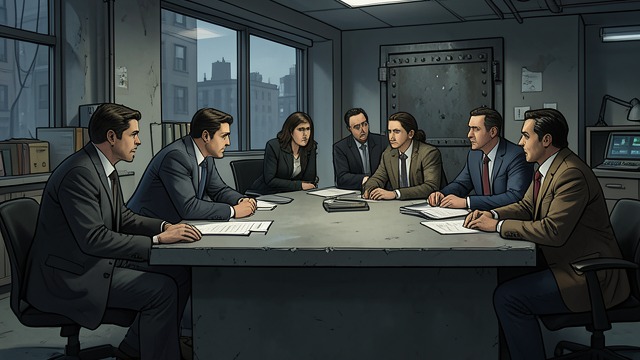
Editors Give the Story Room
Informal Support
Barry Sussman, Harry Rosenfeld, Howard Simons, and Ben Bradlee allowed the reporters to keep pursuing Watergate without a formal full-time assignment. Their support depended on continued reporting and the ability to substantiate each new claim.
A Shared Editorial Burden
The editors helped reporters connect fragments while challenging weak evidence. The relationship was collaborative but tense: they wanted significant stories without letting theories outrun what sources could support.
Bradlee Demands Proof
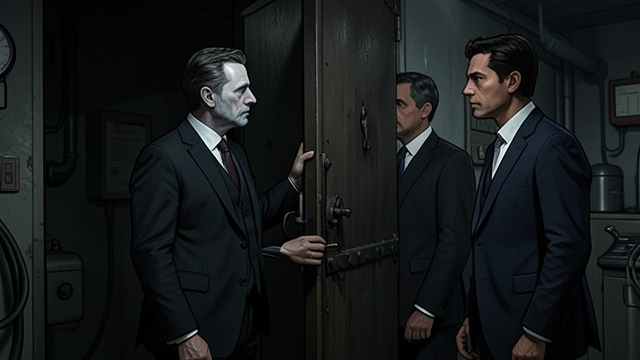
Bradlee Demands Proof
A Story Held Back
Ben Bradlee rejected an early story about Howard Hunt’s research on Edward Kennedy because the available evidence was too thin. He asked the reporters to return with harder information rather than publish a dramatic implication.
The Value of Restraint
His skepticism frustrated the reporters but established an editorial standard that later mattered when the allegations reached senior officials. The newsroom’s relationship depended on challenge as much as encouragement.
Debate Over the Haldeman Story
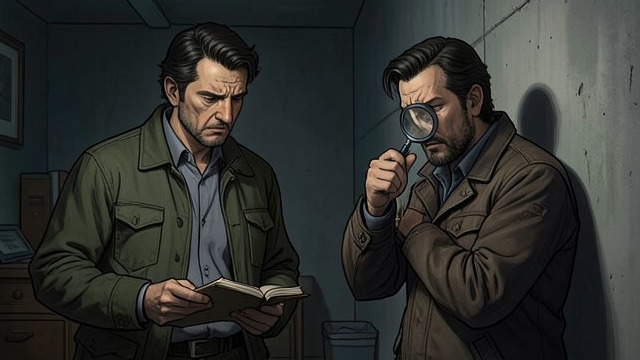
Debate Over the Haldeman Story
An Editorial Oath
Bradlee demanded exact accounts of the sources behind the Haldeman allegation before allowing publication. Harry Rosenfeld and Howard Simons also examined whether the evidence justified naming a top presidential aide.
Confidence Becomes a Liability
The editors approved the story, but their review did not catch the reporters’ mistaken attribution of Sloan’s grand-jury testimony. The failure revealed that editorial scrutiny cannot repair ambiguity if the underlying conversations have not been understood precisely.
A Source Must Not Be Named
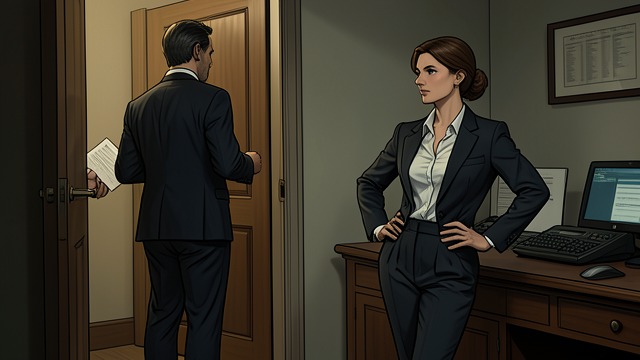
A Source Must Not Be Named
A Difficult Choice
During the Haldeman crisis, the reporters considered identifying a source who might have misled them. Bradlee refused to abandon the paper’s rule against naming confidential sources while the facts remained uncertain.
An Institutional Commitment
The decision protected the conditions under which sources could speak, but it also left the paper exposed to attack. The newsroom’s loyalty to its sources became inseparable from its duty to correct mistakes honestly.
Resisting the Subpoenas
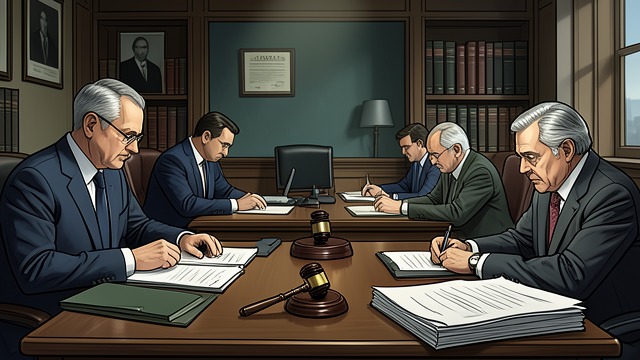
Resisting the Subpoenas
The Paper Is Targeted
The campaign committee demanded reporters’ notes, drafts, and testimony in its civil suit. Katharine Graham and Ben Bradlee prepared to fight rather than surrender source material.
A Press-Freedom Test
The newsroom’s investigative work had become a legal target in its own right. The editors’ support for the reporters now meant accepting institutional risk, not simply giving them space to pursue a story.
June–August 1972
Summer 1972
October 1972
October 1972
February–March 1973
