
The Political Intelligence Program
All the President's MenThis flow traces how discrete surveillance, infiltration, and sabotage efforts came to be understood as an organized Nixon campaign strategy.
increasing Bearing strength in each event
 decreasing
Bearing strength in each eventdecreasingSecurity Becomes Politics
Security Becomes Politics
A Campaign Concern
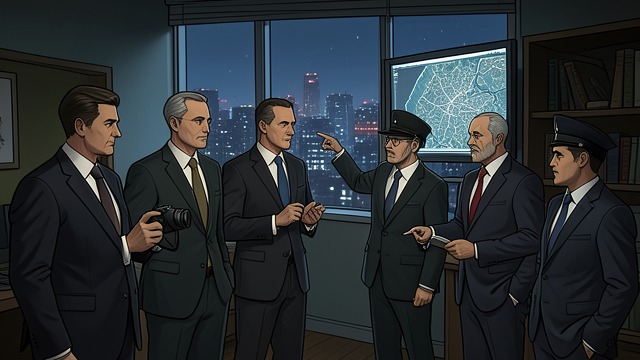
Political aides discussed gathering intelligence and protecting the campaign from disruption. What began as security language blurred into plans for obtaining information about opponents and interfering with their political activity.
A Larger Purpose
The later investigation suggested that these were not isolated pranks. The campaign created personnel groupings for primary and convention operations, giving covert work a structure that reached beyond the Watergate burglary.
Segretti’s Recruitment
Segretti’s Recruitment
An Unusual Offer
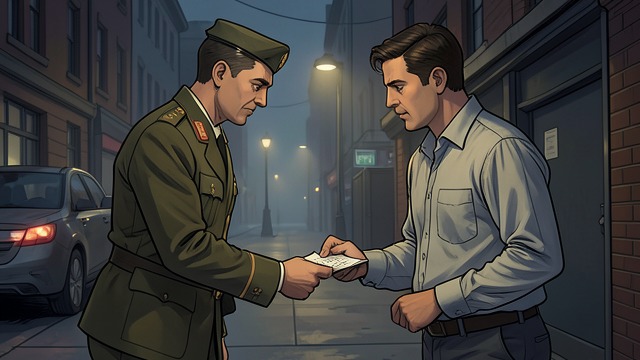
Donald Segretti approached Alex Shipley with a proposal for undercover work against Democratic campaigns. The proposed tactics included infiltration, deceptive messages, and disruption of rallies.
Recruitment Across the Country
Segretti also approached other former Army officers and traveled frequently through states where primaries would matter. His accounts and travel records indicated a coordinated effort, though he initially withheld the names of those directing or paying him.
The Canuck Letter
The Canuck Letter
A Forged Attack
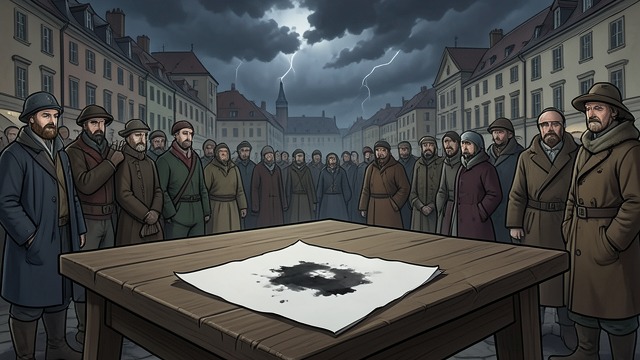
A fabricated letter appeared to show Edmund Muskie making an insulting remark about Franco-Americans. It helped provoke a damaging public confrontation during the New Hampshire primary.
White House Attribution
Marilyn Berger reported that Kenneth Clawson had claimed authorship, then stood by her account when he denied it. The episode showed how an anonymous-looking political trick could become a national campaign weapon and a test of the press’s verification standards.
Disruption of Muskie’s Campaign
Disruption of Muskie’s Campaign
A Catalogue of Incidents
Muskie staff members described missing polling data, counterfeit literature, disrupted events, and deceptive calls. The incidents appeared individually petty, but their recurrence suggested a systematic effort to impair the campaign.
Public Confirmation
Edmund Muskie told Carl Bernstein that he had long suspected Republican sabotage but lacked proof. His account gave the pattern political significance while leaving the precise chain of command unresolved.
The Operation Goes Public
The Operation Goes Public
A Nationwide Allegation
The Washington Post published a sweeping account of political spying and sabotage, linking the Watergate inquiry to a broader campaign operation. The story named tactics and described the work of dozens of operatives.
The Cost of the Claim
The evidence included interviews, government files, and the Canuck Letter, but the article also drew interpretive conclusions. The White House and Republican officials attacked the paper’s credibility rather than directly resolving the allegations.
1971
June–October 1971
February 1972
1971–October 1972
October 10, 1972
